
Storm-Damaged Roof: Inspection, Repair, or Replacement?
A post-storm roofing decision guide for documenting damage, understanding scopes, and choosing the next appropriate service.
Key takeaways
- Protect people first and document visible conditions from a safe location rather than climbing onto a damaged roof.
- A storm does not automatically mean a full replacement; the decision depends on the roof system, damage pattern, substrate, age, and local code.
- A useful inspection separates functional damage from appearance and documents the roof deck, flashing, penetrations, drainage, and interior signs.
- Compare contractor scopes line by line, including materials, deck work, ventilation, flashing, permits, warranties, and cleanup.
- Avoid door-to-door pressure, large upfront payments, and any promise that bypasses inspection, documentation, or a written contract.
After hail, high wind, or a falling branch, homeowners often receive three different messages: patch it, replace it, or wait because the roof still looks intact. The right response begins with evidence, not the size of the sales proposal. Roof systems fail in different ways, and damage may be isolated, widespread, cosmetic, functional, or hidden below the covering. This guide organizes the first hours, the inspection, and the estimate comparison so you can select the next service without assuming the outcome.
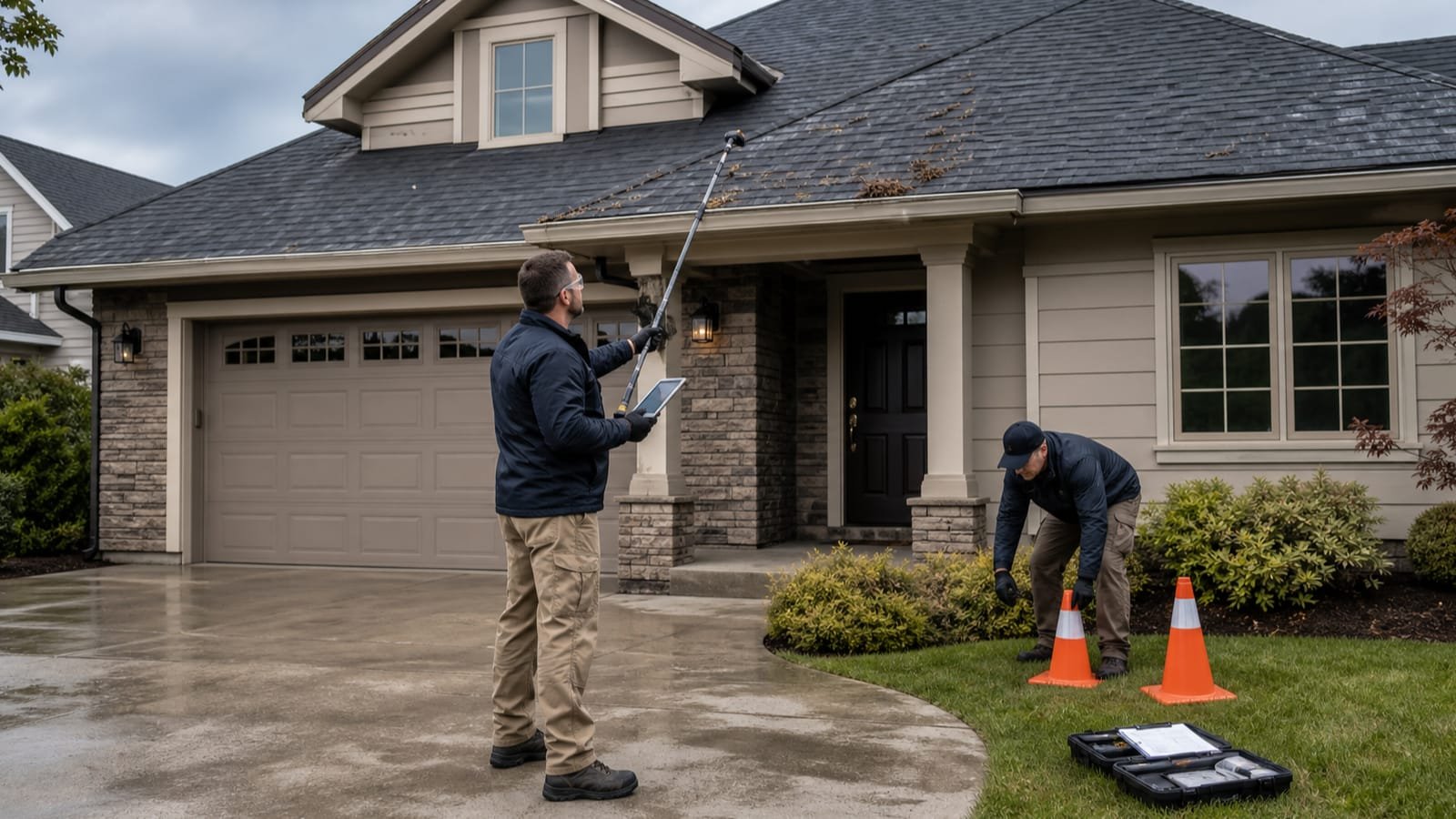
Wet materials, loose coverings, broken decking, unstable ladders, nearby power lines, and continuing weather can make access dangerous. Observe from the ground or a safe window. Use qualified professionals for roof access, temporary protection, and structural concerns. Call emergency services or the utility when immediate hazards are present.
The first-hour sequence
What to do before choosing a roofing service
- Move people away from active leaks, sagging ceilings, broken glass, and electrical hazards
- Photograph exterior and interior conditions from safe locations before temporary work changes them
- Record the event date, approximate time, weather observations, and rooms where water appeared
- Protect belongings from interior water only when it is safe to enter the area
- Contact the insurer promptly if a claim may be involved and ask what documentation or inspection process applies
- Use qualified help for temporary covering and keep every invoice and photograph
- Do not authorize permanent work until you understand the written scope, except where immediate safety requires action
NOAA notes that hail and damaging thunderstorm winds can harm roofs and other building components, but the weather report alone does not establish the scope of damage to a particular home. Record what happened, then let the physical inspection establish what the roof needs. If water is entering, temporary protection may be necessary before the full decision is complete; make sure temporary work is documented and does not conceal the original condition.
Choose the next service, not the final answer
Which roofing service fits the immediate question?
| Service | Use it when | What it should produce |
|---|---|---|
| Roof inspection | The extent, cause, or functional significance of damage is uncertain | A documented condition assessment with photographs, locations, limitations, and recommended next steps |
| Roof repair | Damage is localized and the surrounding roof system and substrate remain serviceable | A defined repair area, compatible materials, flashing and water-shedding details, and a workmanship warranty |
| Roof replacement | Damage or deterioration is broad, the substrate is compromised, repair cannot restore dependable performance, or code constrains the options | A complete tear-off or approved recover scope, deck evaluation, assembly details, ventilation, flashing, permits, and warranties |
These paths are not interchangeable. An inspection is valuable when the question is still open. A repair is not automatically inferior to replacement when damage is limited and compatible work can restore performance. Replacement is not automatically excessive when the roof covering, deck, or assembly has widespread damage or when local code prevents the proposed repair or overlay. The RICOWI and IBHS roofing guide emphasizes evaluating age, weathering, design, and current condition rather than making the decision from a storm label alone.
What a useful roof inspection should document
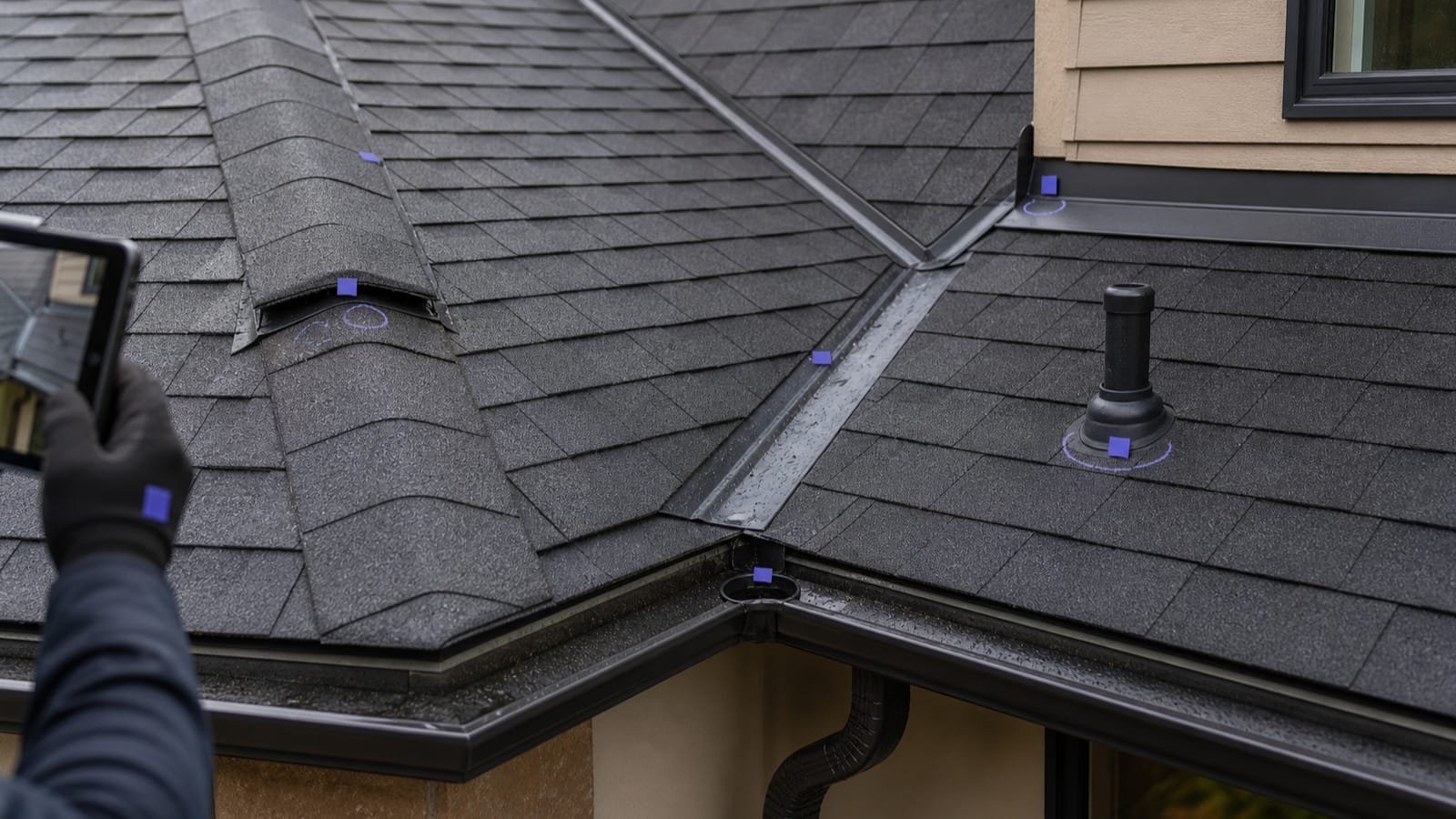
Ask for observations tied to specific roof areas, not a conclusion without a trail. The report should identify the covering type and approximate age; displaced, fractured, punctured, creased, or missing material; flashing and penetration conditions; edge, ridge, valley, and drainage details; exposed fasteners or sealant failures; soft or damaged decking where observable; and interior water paths. It should distinguish pre-existing wear from event-related observations when possible and disclose portions that could not be accessed.
Functional damage affects the roof's ability to shed water or resist future weather. Cosmetic change may affect appearance without changing immediate performance, although material-specific evaluation still matters. Do not ask a photograph, drone image, or hail-size report to answer a question it cannot. Those tools can support an inspection, but compatibility, adhesion, fastening, substrate condition, and water entry often require closer evaluation.
Repair, recover, and replacement are different scopes

A repair addresses a defined portion of the roof. A recover or overlay places a new covering over an existing covering where the assembly and local code permit it. A replacement removes existing covering to the deck before installing the new system. IBHS guidance notes that the deck and framing condition must be documented during repair or replacement and that a new covering should not be installed over damaged structural components. Local jurisdictions may limit overlays or require additional evaluation in high-wind regions, so ask which adopted code and manufacturer instructions govern the proposal.
Compare estimates line by line
Roofing proposal comparison worksheet
| Scope item | Questions to resolve |
|---|---|
| Damage and boundaries | Which slopes, details, and materials are included, and what evidence supports the scope? |
| Removal and deck | What is removed, how is decking evaluated, and how are hidden deck repairs priced and approved? |
| Roof assembly | Which underlayment, ice or water protection, covering, fasteners, and edge details are specified? |
| Water-control details | Are valleys, walls, chimneys, skylights, pipes, flashing, gutters, and drainage included? |
| Ventilation | Is intake and exhaust ventilation assessed as a system, and will the proposal alter it? |
| Compliance | Who obtains permits, which code applies, and what inspection or manufacturer requirements must be met? |
| Protection and cleanup | How are landscaping, siding, windows, driveways, debris, and magnetic nail cleanup handled? |
| Warranty and payment | What do material and workmanship warranties cover, what voids them, and when are payments due? |
The lowest total can be the least comparable proposal. One contractor may include flashing replacement, permit fees, deck allowances, ventilation corrections, and disposal while another leaves each as a later change order. Require model or product names and quantities where practical. Ask contractors to explain exclusions and assumptions in writing, and compare at least several written estimates when conditions allow.
Contractor checks that matter after a storm
Storms attract legitimate crews and opportunistic sellers at the same time. Verify required licensing with the state or local authority, request current insurance documentation, check a physical business identity, and ask who will supervise and perform the work. Review recent references for comparable roof systems. The Federal Trade Commission advises getting multiple written estimates, reading the contract carefully, resisting immediate pressure, and avoiding full payment upfront. Never sign a document with blank fields or promises that do not appear in the contract.
Roof inspection, repair, and replacement are paid professional services. This guide does not present a trial, grant, government-program, or no-cost roofing angle, and it does not imply that roof work is free. Insurance coverage and homeowner responsibility depend on the policy, cause, documentation, and claim decision.
A simple decision sequence
- Stabilize immediate safety and active water entry with qualified help.
- Document conditions and preserve records before permanent work.
- Obtain a written inspection when the extent or appropriate scope is uncertain.
- Confirm local code, manufacturer requirements, substrate condition, and material compatibility.
- Compare repair and replacement scopes using the same line-item worksheet.
- Verify the contractor and contract, then approve only the scope you understand.
- Keep final photographs, permits, invoices, warranties, and maintenance instructions.


Frequently asked questions
Does hail automatically mean my roof must be replaced?
No. The outcome depends on the roof material, hail characteristics, damage pattern, age and weathering, substrate condition, repairability, manufacturer requirements, and local code. A documented inspection should support the scope.
Can I inspect storm damage from the ground?
You can safely document visible debris, displaced material, gutters, siding, and interior leaks from the ground or a safe interior location. A qualified professional should handle roof access and evaluate less-visible conditions.
Should a roofer be present for an insurance inspection?
Procedures vary. Ask the insurer who may attend and what documentation is accepted. If a contractor participates, keep the contractor's repair proposal separate from the insurer's independent coverage decision.
What is the difference between a roof overlay and replacement?
An overlay adds a new covering over an existing covering where allowed. Replacement removes covering to the deck. Existing layers, deck condition, building code, manufacturer instructions, wind region, and warranty terms can limit overlay options.
How can two legitimate roofing estimates be very different?
They may assume different damage boundaries, removal methods, materials, deck allowances, flashing, ventilation, permits, protection, warranty coverage, or cleanup. Compare line items and ask each contractor to explain every exclusion.
Related offers
Sources
Facts and figures in this guide that come from an outside authority are backed by the sources below. Pricing, program rules, and eligibility details change — always confirm current specifics with the source directly or a licensed professional before acting.
- Severe Weather 101: Hail BasicsNOAA National Severe Storms Laboratory · Accessed 2026-07-19
- How To Avoid a Home Improvement ScamFederal Trade Commission · Accessed 2026-07-19
- RICOWI Best Practices Guide for RoofingInsurance Institute for Business & Home Safety · Accessed 2026-07-19
- Roofing RoadmapsInsurance Institute for Business & Home Safety · Accessed 2026-07-19
- Selecting a ContractorNational Roofing Contractors Association · Accessed 2026-07-19
Editorial information
- We prioritize primary, authoritative sources over provider marketing.
- Commercial relationships never influence what we publish or how it's written.
- Pages are dated and updated only when they've genuinely been reviewed or changed.
Related guides

Water Damage Cleanup: Which Service Do You Need?
Identify whether a leak, outdoor flood, sewage backup, or developing mold problem calls for water restoration, flood restoration, sewage cleanup, or remediation.
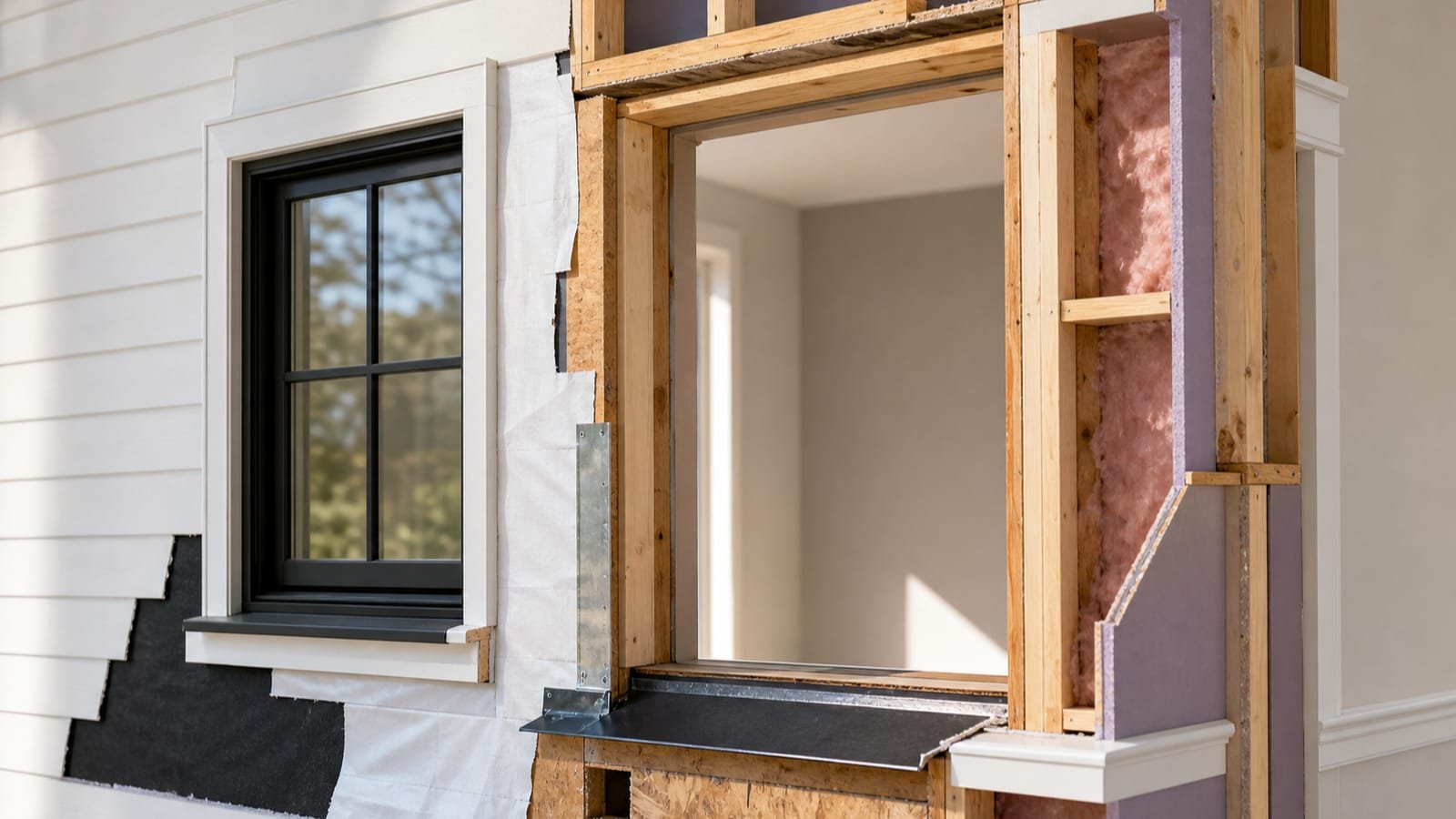
Window Replacement or Remodeling? Choose the Right Project Scope
Compare insert replacement, full-frame replacement, and structural window remodeling before requesting bids or choosing products.

Bathroom Repair, Remodel, or Reconstruction? A Scope Decision Guide
Use moisture, safety, layout, and system-condition evidence to decide whether a bathroom needs repair, remodeling, or reconstruction.
Ready to explore Roof Inspection?
Continue your research or check availability — there's no cost and no obligation.