Home Services

Home Reconstruction That Rebuilds Your House After Serious Damage

After fire, flood, or storm damage, reconstruction restores structure, systems, and safety — returning your home to a sound, livable condition.

Recovering from fire, flood, or storm damage involves more than repairs — it often means navigating insurance and inspections while rebuilding safely. This guide explains what the reconstruction process typically involves.

Insurance complexityStructural safetyChoosing a rebuild team
Overview

What you need to know about Home Reconstruction

When fire, flooding, or a storm damages a home, the path back is reconstruction — a coordinated rebuild that restores structure, systems, and safety before finishes are ever considered. It's a demanding process, often entangled with insurance and inspections, and it calls for professionals who can rebuild a home to code while helping a household through a stressful time. Done properly, reconstruction doesn't just repair damage; it returns your home to a sound, secure, livable condition. Because permits, code compliance, and insurance documentation all factor into the timeline, choosing a contractor experienced specifically in reconstruction — not just new builds — tends to make the process smoother.

At a glance

Category
Home Services
Read time
10 min read
Key benefits covered
6
Sources cited
4
Decision guide
Included on this page
Comparing your options

Which whole-home projects do you need?

The right project depends on why you're starting one — an isolated problem, damage that needs rebuilding, or a voluntary upgrade — across more than one room.

Repair

Home Repair

A specific, isolated problem needs fixing — not a room-by-room overhaul.

Reconstruction

Home Reconstruction

You're on this page

Your home needs to be rebuilt because of major structural or disaster-related damage.

Remodeling

Home Remodeling

Nothing is broken — you want a voluntary redesign, expansion, or improvement across the home.

Why people choose this

What you get with Home Reconstruction

The real-world benefits of moving forward.

  • Structural integrity restored where fire, water, or wind has compromised framing and foundations
  • Electrical, plumbing, and HVAC systems repaired or replaced to current safety codes
  • Hidden moisture, mold, and smoke damage remediated before rebuilding
  • A rebuild sequenced correctly — structure and systems first, finishes last
  • Coordination with documentation and inspections that a claim and permit process require
  • A safe, restored home that protects your family and your largest investment
Is this right for you?

Who benefits most from Home Reconstruction

🔥

Homes after a fire

Fire and smoke damage reach structure, wiring, and air quality, requiring a full, careful rebuild.

🌊

Flood-damaged homes

Flooding soaks structure and systems and leaves moisture and contamination that reconstruction resolves.

🌪️

Storm-damaged properties

Wind, hail, and fallen trees can compromise roofs and framing, calling for structural reconstruction.

📋

Homeowners navigating insurance

Those managing a major claim need a rebuild that's documented, code-compliant, and coordinated with the process.

🏚️

Owners of severely damaged homes

When damage is extensive enough that patch repairs won't hold, reconstruction is the path back to a livable home.

🧑‍🔧

Households needing project coordination

A major rebuild involves many trades at once, and having one team manage the sequence reduces stress considerably.

What's included

What to expect

Comprehensive damage assessment

The full extent of structural, systems, and hidden damage is evaluated to build an accurate reconstruction plan.

Structural rebuilding

Compromised framing, roofing, subfloor, and load-bearing elements are repaired or replaced to restore integrity.

Systems restoration

Electrical, plumbing, and HVAC are brought back to safe, code-compliant working order — essential after fire or flooding.

Remediation of hidden damage

Moisture, mold, and smoke residue are addressed before the structure is closed and finishes applied.

What to expect

How it works

A clear look at the typical steps involved, from start to finish.

Emergency assessment

Professionals evaluate structural, systems, and hidden damage and document it thoroughly for the rebuild and any claim.

Stabilization and cleanup

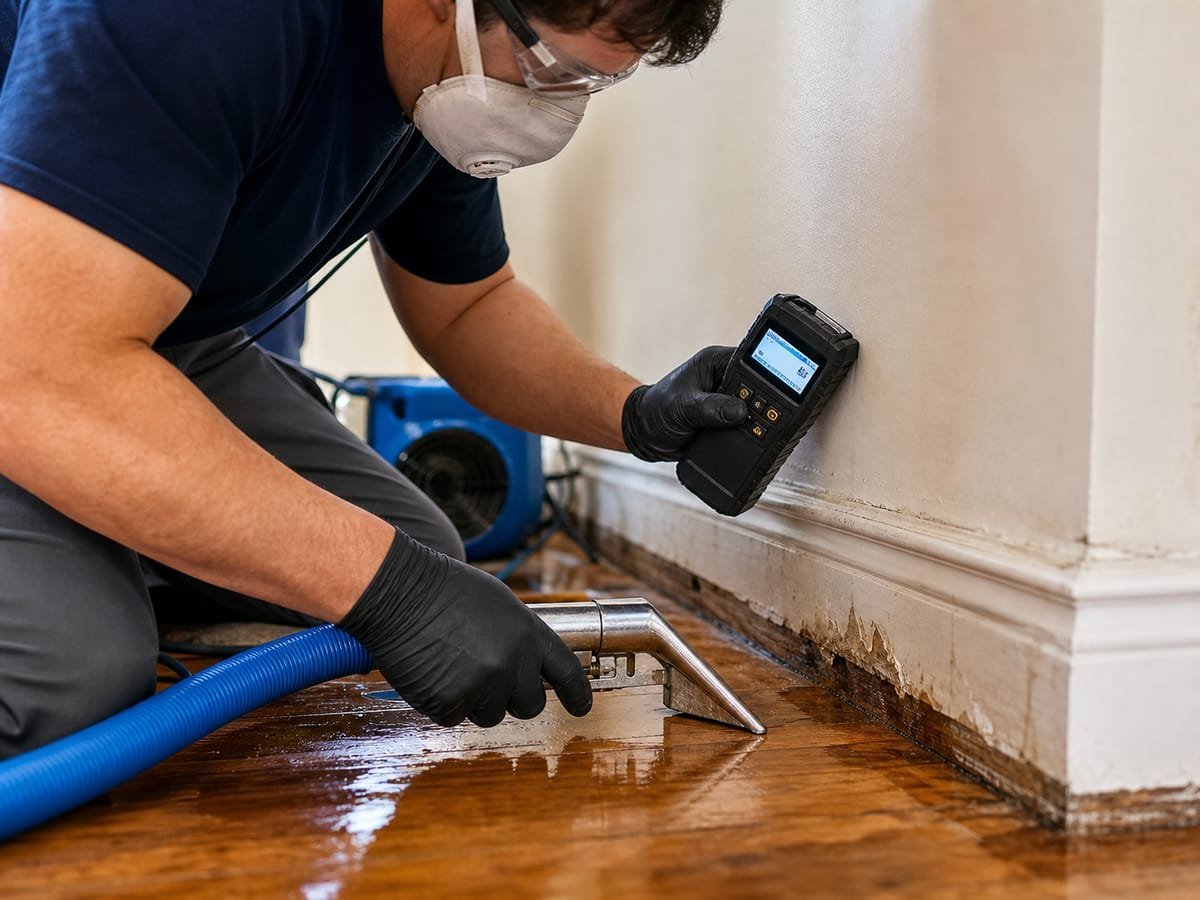
The property is secured, water extracted or debris removed, and affected areas dried and remediated.

Structural and systems rebuild

Framing, roofing, and subfloor are restored, and electrical, plumbing, and HVAC brought to code.

Rough-in and inspection

Systems are roughed in and inspected before the structure is closed up.

Finishing and final review

Interior and exterior finishes are completed, then the home is inspected and reviewed before you move back in.

Before you decide

Key considerations

Important points to keep in mind as you explore this offer.

1

Don't enter a fire- or flood-damaged home until it's professionally assessed for safety.

2

Document all damage thoroughly — it's essential for insurance and the rebuild plan.

3

Flood damage often requires separate flood insurance, not standard homeowners coverage.

4

Insurance typically restores to prior condition; upgrades are usually out of pocket.

5

Rebuilding to current code can improve resilience against future events.

6

Confirm the contractor manages permits and inspections.

Decision support

Reconstruction Project Timeline

Home reconstruction after significant damage (storm, fire, water, or structural failure) generally follows this sequence, though your insurer's process may add steps.

1. DocumentationPhotograph and document damage before cleanup begins, for insurance and contractor records.
2. AssessmentA contractor or structural professional evaluates the scope of the damage.
3. StabilizationImmediate safety hazards are addressed and the structure is secured.
4. RebuildFraming, systems, and finishes are restored to current code.
5. Final inspectionLocal inspection confirms the work meets code before occupancy.

This tool is meant to help you organize your own thinking and the questions you ask a provider — it isn't personalized financial, legal, medical, or contracting advice, and it doesn't collect or store anything you enter.

Compare your options

Reconstruction, Repair, or Remodeling?

These three whole-home services solve different problems. Use this to confirm you're looking at the right one before requesting a quote.

Home Reconstruction (this service)

Best for: Rebuilding after major damage — fire, storm, flood, or structural failure — that affects a significant part of the home.

  • Handles extensive damage as one coordinated project rather than piecemeal
  • Often works directly with insurance documentation
  • Larger in scope and cost than a standard repair
  • May require temporary relocation during the project

Home Repair

Best for: A smaller, contained issue that doesn't require rebuilding a whole area.

  • Faster and less expensive
  • Not sufficient for extensive or structural damage

Home Remodeling

Best for: Upgrading your home by choice, independent of any damage.

  • Can be paired with reconstruction if you want to upgrade while rebuilding
  • Discretionary cost, generally not insurance-eligible the way damage repair is

This comparison describes general, commonly available options — not every provider offers every option, and actual terms, pricing, and availability depend on the specific provider and your circumstances.

In depth

Home Reconstruction: Rebuilding After the Worst Happens

Few experiences are as disorienting as standing in a home damaged by fire, flood, or a major storm. Beyond the visible destruction, there's a household displaced, an insurance process to navigate, and the daunting question of how to put everything back together. Home reconstruction is the answer to that question — a coordinated rebuild that restores a damaged house to a sound, safe, livable condition. It's more than a routine home repair; it's the disciplined process of rebuilding structure and systems from a compromised state back to a home you can live in with confidence.

What Reconstruction Actually Involves

Major damage rarely stays on the surface. Fire reaches wiring and framing and leaves smoke residue throughout. Flooding soaks subfloor, walls, and mechanical systems and leaves moisture and contamination behind. Storms tear at roofs and can compromise structural framing. Reconstruction addresses all of it in the right order — the parts you can't see before the parts you can.

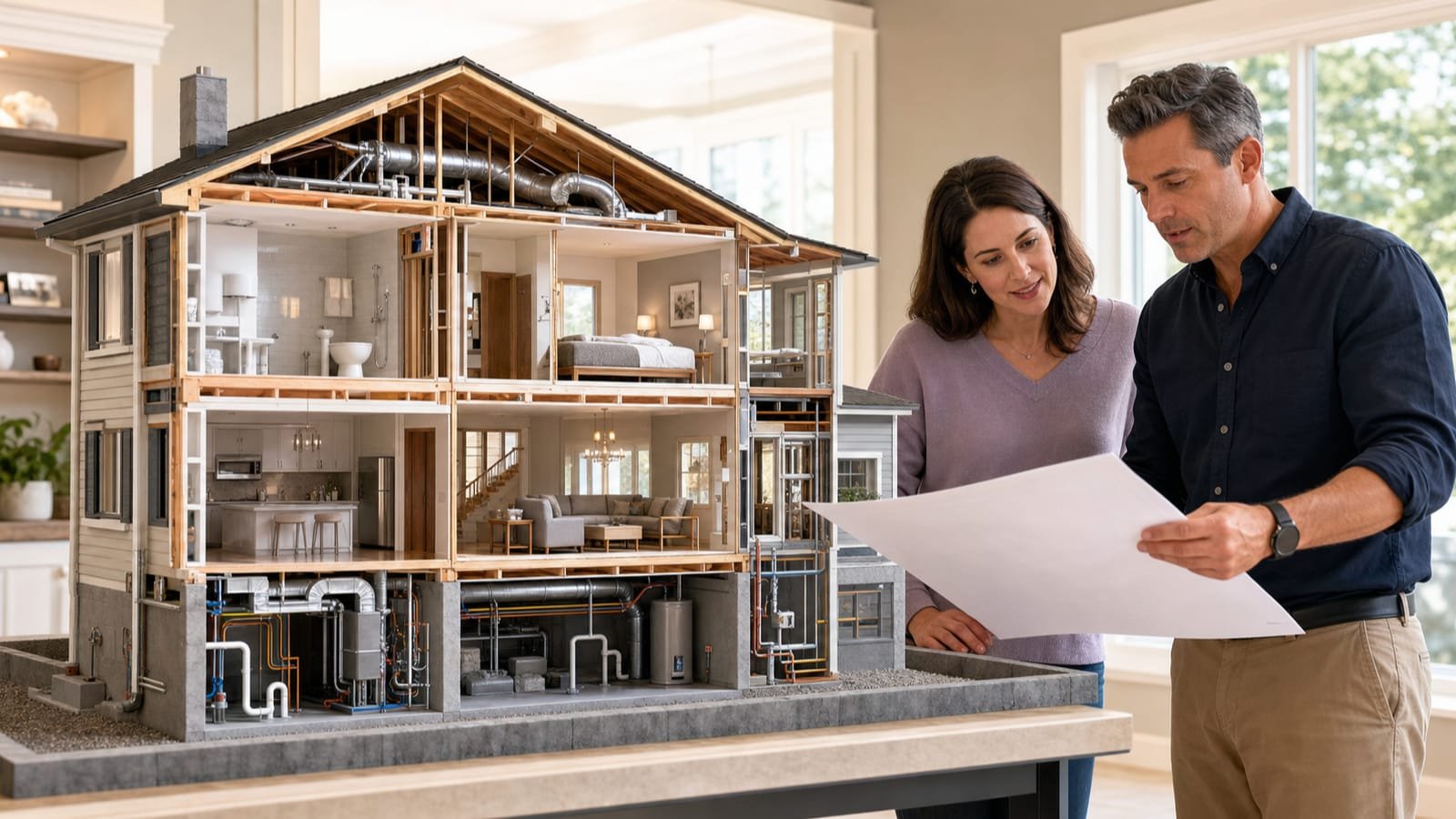
That means restoring structure (framing, roofing, subfloor, and load-bearing elements), rebuilding systems (electrical, plumbing, and HVAC to current code), and remediating hidden damage (moisture, mold, and smoke) before any finishes go back in. Only once the home is sound and safe does the visible rebuilding — drywall, flooring, paint, fixtures — begin. Sequencing matters enormously; finishes applied over unresolved structural or moisture problems simply hide them.

Safety First: Don't Rush Back In

A crucial point that's easy to overlook in the emotion of the moment: a fire- or flood-damaged home is not safe to occupy until it's been professionally assessed. Fire can weaken structural members and expose electrical hazards that aren't visible. Floodwater can carry contamination and conceal dangers underfoot and in the walls. Before you spend time inside sorting belongings or attempting repairs, have qualified professionals evaluate the property. This protects your family and ensures the reconstruction starts from an accurate understanding of the damage.

The Insurance Reality

Major reconstruction is almost always intertwined with an insurance claim, and understanding a few realities helps you navigate it. Coverage depends on the cause and your specific policy. Sudden, covered events — a house fire, certain storm damage — are commonly included. Critically, flood damage typically requires separate flood insurance; standard homeowners policies frequently exclude it, which catches many households off guard after a flood. And insurance generally covers restoring the home to its prior condition, so if you want to upgrade layouts, systems, or finishes beyond what was there, that's usually an out-of-pocket investment.

Because so much rides on the details, thorough documentation is invaluable. Photograph and inventory the damage, keep records, and confirm coverage directly with your insurer rather than assuming. Reconstruction contractors experienced with claims can help keep documentation complete and the process moving.

Rebuilding Stronger

There's a meaningful upside within the setback. Because a damaged home is being rebuilt regardless, reconstruction is an opportunity to make it better and more resilient. Rebuilding to current code often means improved resistance to the very kind of event that caused the damage — updated structural connections, modern electrical safety, better materials. And since walls and systems are open, it can be a practical time to update layouts and finishes you'd long wanted to change, keeping in mind that improvements beyond prior condition are typically your own investment. Recovery and improvement can move forward together.

Permits, Inspections, and Doing It Right

Reconstruction is structural, systems-level work, which means it must be permitted and inspected. A reputable reconstruction contractor handles permitting and coordinates the required inspections so the rebuilt structure and systems meet current code. This isn't bureaucratic box-checking — it's what ensures the home is genuinely safe and what protects you at resale, when unpermitted major work can become a serious problem. Confirm that any contractor you consider manages this as part of the job.

How Long Rebuilding Takes

Reconstruction timelines are measured in months, and honest expectations prevent a second wave of stress. The sequence: emergency stabilization and mitigation first (days), then scope development and insurance approval (weeks — often the least predictable stretch), then permits, then the rebuild itself, which can run two to six months for major damage and longer for structural rebuilds. The waiting periods frustrate families most, so ask your contractor to map the phases up front and to flag which delays are process (approvals, inspections, material lead times) versus problems. Keep a written log of every conversation with your insurer and every decision made — it speeds approvals and protects you if scope questions arise later.

Mistakes Families Make After a Disaster

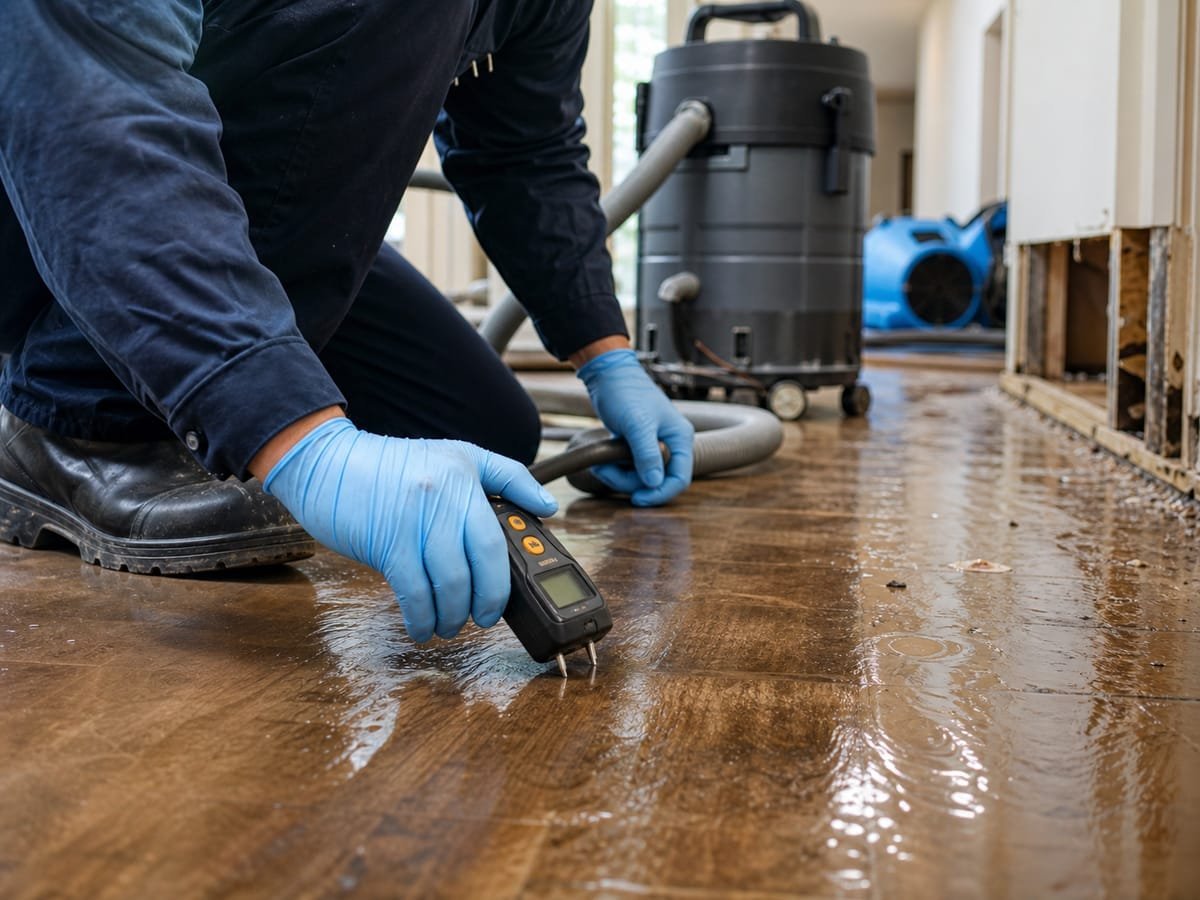
The costliest early mistake is signing quickly — an assignment-of-benefits agreement or a contract with the first crew that knocks — before understanding your policy and your options. Others: discarding damaged items before they're documented, accepting the initial insurance scope as final when supplements for hidden damage are routine, choosing a general remodeler with no insurance-restoration experience, and rebuilding over structure that was never verified dry, which invites the mold problems that professional mold remediation exists to prevent. If water was involved, confirm that water damage restoration — or flood damage restoration for rising water, which follows different rules — was completed and documented before finishes go on. And when the roof was part of the loss, get the roof replacement scope settled early; everything below it depends on a dry top.

Choosing a Reconstruction Partner

Rebuilding a home is among the most consequential projects a homeowner ever faces, and the right partner makes an enormous difference. Look for professionals who handle the full scope — structure, systems, and finishing — so your recovery isn't fragmented across disconnected trades. Prioritize those experienced with the insurance and permit process, who document thoroughly, who rebuild to code, and who communicate clearly through what is often a stressful, months-long journey. If your home has been damaged by fire, flood, or storm, the first step is a professional assessment that establishes exactly what happened and what it will take to make your home whole again.

Where this comes from

Sources

Facts and figures in this guide that come from an outside authority are backed by the sources below. Pricing, program rules, and eligibility details change — always confirm current specifics with the source directly or a licensed professional before acting.

Ready to explore Home Reconstruction?

Still have questions? The FAQ below covers the most common ones. Or use the button to check availability — there's no cost and no obligation.

How we research every listing

Why you can rely on this information

Full-scope rebuild expertise

Listed pros handle structure, systems, and finishing together, so recovery isn't fragmented across trades.

Code-compliant reconstruction

Rebuilding is done to current code with proper permits and inspections, protecting safety and resale.

Experience with claims and documentation

Teams familiar with the insurance process help keep documentation thorough and the rebuild on track.

Common questions answered

Home Reconstruction — questions people actually ask

What is home reconstruction?

Home reconstruction is the process of rebuilding a home damaged by fire, flooding, storms, or other major events. It restores structure, electrical, plumbing, and HVAC systems, and safety to a sound condition before finishes are installed — going far beyond cosmetic repair.

Does homeowners insurance cover reconstruction?

Major reconstruction is frequently tied to an insurance claim, and coverage depends on the cause and your policy. Sudden, covered events like fire or certain storm damage are commonly included, while flood damage often requires separate flood insurance. Document everything and confirm coverage directly with your insurer.

How long does home reconstruction take?

Timelines depend heavily on the extent of damage — from weeks for a contained area to many months for a substantial rebuild. Assessment, permitting, structural work, systems, and finishing each take time, and insurance coordination can affect scheduling.

Is it safe to enter a fire- or flood-damaged home?

Not until it's been professionally assessed. Fire can weaken structure and expose electrical hazards, and floodwater can carry contamination and hide dangers. Have qualified professionals evaluate the property before spending time inside or attempting repairs.

Will reconstruction fix the cause of water damage?

A proper reconstruction addresses the source where relevant — correcting drainage, plumbing, or building weaknesses — so the home is more resilient. For event-driven damage like a storm, that includes rebuilding to current code, which often improves resistance to future events.

Can I make improvements during reconstruction?

Often yes. Since the home is being rebuilt, it can be an opportunity to update layouts, systems, and finishes. Note that insurance typically covers restoration to prior condition, so any upgrades beyond that are usually an out-of-pocket investment worth discussing with your team.

Who handles permits and inspections?

A reputable reconstruction contractor manages permitting and coordinates the required inspections, ensuring the rebuilt structure and systems meet current code. This protects your safety and matters at resale, so confirm the contractor handles it.

How this page was put together

Editorial information

  • We prioritize primary, authoritative sources over provider marketing.
  • Commercial relationships never influence what we publish or how it's written.
  • Pages are dated and updated only when they've genuinely been reviewed or changed.
Disaster RecoveryStructural RebuildFire & FloodInsurance ClaimsFull Restoration

Get started with Home Reconstruction — no obligation

No sign-up needed. No calls until you decide. Check availability, compare options, and proceed only when you're ready.