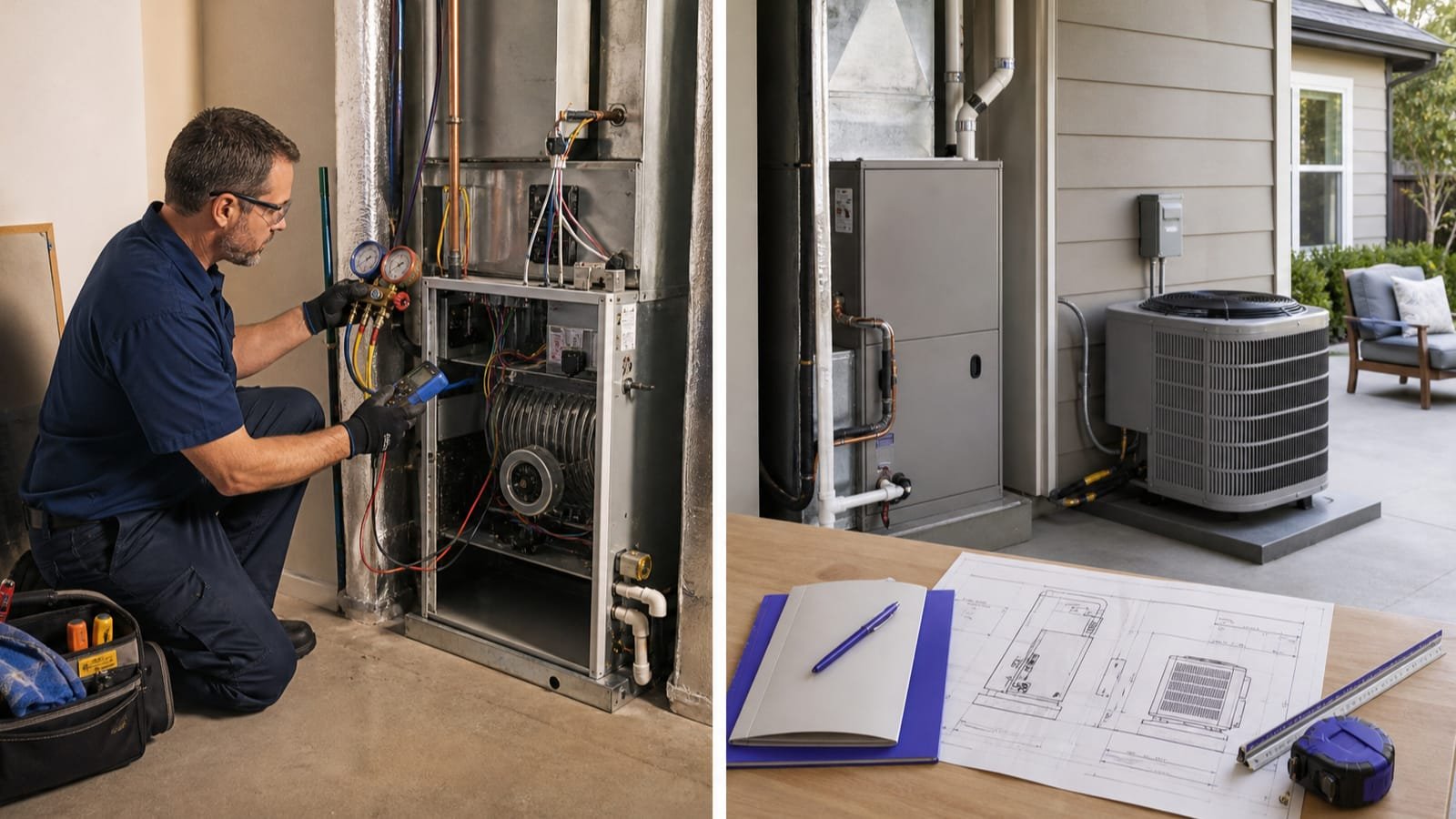

HVAC Repair
Fast, reliable repair for heating and cooling systems — diagnose failures, restore comfort, and avoid unnecessary replacement.
Get comfortable again — fast and reliably.
Compare HVAC Repair Quotes

A new system is only as good as its sizing and install — connect with pros who get both right and help you capture available rebates.
An HVAC system that's the wrong size for your home can mean higher bills and uneven comfort for years to come. This guide explains what proper sizing and installation involve, plus how to explore available rebates.
A new heating and cooling system is a major investment, and its comfort and efficiency depend far more on getting the sizing and installation right than on the brand on the box. HVAC installation done well starts with properly sizing the system to your home, choosing the right type and efficiency level for your climate and budget, and installing it to exacting standards. Get those right, and you gain even temperatures, lower bills, and a system that lasts — often with meaningful tax credits or rebates to offset the cost. Comparing quotes from multiple licensed installers, and asking each one to walk through their sizing calculations, is one of the most effective ways to avoid ending up with an oversized or undersized system.
Heating and cooling needs generally fall into three buckets: something is broken and needs fixing, the whole system needs replacing, or you are staying ahead of both with routine service.
Your current system has a specific problem — it is not heating, cooling, or running correctly — and needs a fix, not a replacement.
You need a new system entirely — replacing an aging or failed unit, or installing one where there was not one before.
Nothing is currently broken — you want routine service to keep the system running efficiently and catch small issues early.
The real-world benefits of moving forward.
Aging, inefficient, or repeatedly failing systems are prime candidates for a right-sized modern replacement.
New spaces need properly designed heating and cooling, sized and configured from the start.
Those wanting lower bills and a smaller footprint benefit from high-efficiency systems and available incentives.
Rooms that never get comfortable often reflect a wrong-sized or poorly configured system that a proper install corrects.
A dependable new system reduces emergency repair calls and improves a rental's appeal and efficiency.
Heat pumps are a common step for owners moving away from fossil-fuel heating toward electric systems.
A correct installation calculates your home's actual heating and cooling load rather than reusing the old unit's size, which is often wrong.
You're helped to choose among heat pumps, gas furnace and AC pairings, and ductless mini-splits based on climate, home, and budget.
Ratings like SEER2 for cooling and AFUE for heating are explained so you can balance upfront cost against long-term savings.
Guidance on current utility and state rebate programs helps you capture the incentives that still lower real cost.
A clear look at the typical steps involved, from start to finish.
The installer evaluates your home and calculates its true heating and cooling load to size the system correctly.
You choose the system type and efficiency level that fit your climate, budget, and goals, with rebates factored in.
You receive a detailed quote covering equipment, efficiency ratings, labor, and any applicable incentives.
The system is installed to manufacturer specifications, with proper charging, airflow, and duct sealing.
The installer tests and commissions the system, then walks you through operation, controls, and maintenance.
Important points to keep in mind as you explore this offer.
Insist on a load calculation — reusing the old unit's size is a common, costly mistake.
Balance efficiency ratings against upfront cost based on climate and how long you'll stay.
Confirm current utility and state rebate programs before buying, and keep documentation.
Installation quality matters as much as the equipment for efficiency and lifespan.
Compare itemized quotes, not lump-sum bids, to see what's actually included.
Plan maintenance from day one to protect efficiency and the warranty.
A new HVAC system is a major purchase. These questions help you evaluate quotes and confirm the installer is qualified to handle refrigerant safely.
This tool is meant to help you organize your own thinking and the questions you ask a provider — it isn't personalized financial, legal, medical, or contracting advice, and it doesn't collect or store anything you enter.
These three HVAC services solve different problems. Use this to confirm you're looking at the right one.
Best for: Replacing an old or failed system, or adding HVAC to a space that doesn't currently have it.
Best for: A current system that's malfunctioning but not necessarily due for full replacement.
Best for: A working system you want to keep reliable and extend the life of.
This comparison describes general, commonly available options — not every provider offers every option, and actual terms, pricing, and availability depend on the specific provider and your circumstances.
When homeowners shop for a new heating and cooling system, they naturally focus on brands and prices. But here's what seasoned HVAC professionals know: the single biggest determinant of how comfortable, efficient, and reliable your new system will be isn't the label on the equipment — it's whether it was sized correctly and installed properly. A premium system installed poorly will underperform a modest one installed well. Understanding that reframes the whole decision, and it's the key to getting real value from a major investment.
The most consequential — and most frequently botched — part of HVAC installation is sizing. A system that's too large will cool or heat the air quickly, then shut off, cycling on and off repeatedly. That short-cycling wears the equipment, wastes energy, and, crucially, never runs long enough to properly remove humidity, leaving your home cool but clammy. A system that's too small runs constantly and still can't keep up in extreme weather.
The right size comes from a load calculation — an analysis of your home's actual heating and cooling needs based on square footage, insulation, windows, orientation, climate, and layout. What it should never come from is a rule of thumb or, worse, simply matching the size of your old unit, which may well have been wrong to begin with. When an installer insists on doing this calculation, it's a strong sign you're dealing with a professional who cares about performance rather than just swapping boxes.
Modern homeowners have more good options than ever, and the right one depends on your climate, energy costs, and goals.
There's no universally correct answer — only the one that fits your home and region. A good installer will compare the options for your specific situation rather than steering you to a single default.
Efficiency is where a new system earns back its cost over time, and two ratings tell most of the story. SEER2 measures cooling efficiency — the higher the number, the less electricity the system uses to cool your home. AFUE measures a furnace's heating efficiency as the percentage of fuel it converts to usable heat, so a 96% AFUE furnace wastes very little. Higher-rated equipment costs more upfront and uses less energy over its life. The right balance depends on your climate, your energy prices, and how long you plan to stay in the home — a homeowner in a hot climate who'll stay for decades benefits more from top-tier cooling efficiency than someone in a mild climate planning to move soon.
Financial help for efficient equipment still exists, but the landscape shifted recently and it pays to know the current rules. The federal energy-efficiency tax credit that covered qualifying heat pumps and high-efficiency systems ended for equipment placed in service after December 31, 2025 — so don't let a quote lean on a federal credit that no longer applies to new installations (as of 2026 — see the IRS credit page). To find rebates that do apply, check your utility and DOE's state rebate directory.
What remains can still be meaningful. Many utilities and states offer rebates for high-efficiency systems and heat pumps, and federally funded home energy rebate programs administered by individual states can provide substantial support for income-qualified households in participating states. Amounts, eligibility, and equipment requirements vary widely by location and change over time, so confirm current programs before you buy, choose qualifying equipment deliberately, and keep every receipt and specification sheet. A knowledgeable installer works with these programs daily and can tell you exactly what your project qualifies for right now.
A new HVAC system's cost is driven by the system type, its capacity and efficiency, the condition of your existing ductwork, and the complexity of the installation. Replacing like-for-like is more economical than switching system types or modifying ducts. Because the variables are significant, the reliable path is to gather itemized quotes for your specific home — quotes that break out the equipment, its efficiency ratings, the labor, and any incentives, rather than presenting one lump figure. That transparency lets you compare bids meaningfully and see whether important steps like duct sealing and proper commissioning are included.
Even the perfect equipment, perfectly sized, will disappoint if the installation cuts corners. Correct refrigerant charge, proper airflow, sealed ductwork, and thorough commissioning — actually testing and tuning the system after it's in — are what deliver the efficiency and reliability you paid for. Poor installation practices quietly rob a system of performance and can even void the manufacturer's warranty. This is why choosing a licensed, manufacturer-trained installer who follows specifications matters as much as the system selection itself.
A well-chosen, well-installed system is the start, not the finish. From day one, routine seasonal maintenance keeps it running at peak efficiency, extends its lifespan, and preserves the warranty — many warranties actually require documented maintenance. Building that habit protects the substantial investment you've just made. And if something does go wrong down the road, prompt repair by qualified technicians keeps a small fault from becoming a large one.
A straightforward like-for-like changeout usually takes a day; adding ductwork modifications, electrical upgrades, or converting system types can extend to several. A quality crew protects floors, recovers old refrigerant properly (a legal requirement, not a courtesy), sets and levels the new equipment, pressure-tests and evacuates refrigerant lines to specification, verifies airflow and refrigerant charge against the manufacturer's data, and walks you through the thermostat and filter locations before leaving. The paperwork matters as much as the wrench work: permits and inspection where required, a startup/commissioning report with measured numbers, and warranty registration completed in your name. If a crew can't show you commissioning measurements, you don't know what you bought — you only know what you paid.
The most common one is accepting "same size as the old unit" as sizing — the old system may have been wrong for decades, and your home's insulation and windows may have changed since. Others: shopping brand instead of installer (installation quality determines real-world performance far more than the nameplate), ignoring ductwork condition when it will carry every dollar of heating and cooling you buy, buying more efficiency than your climate and usage can pay back, and skipping permits to shave cost. Get multiple bids with load calculations in writing, and note which contractor asks the most questions about your home — curiosity during the quote correlates with care during the install. After installation, protect the investment and the warranty with scheduled maintenance; skipped tune-ups are a common reason warranty claims get contested, and a well-maintained system delays the day you meet the repair technician again.
Facts and figures in this guide that come from an outside authority are backed by the sources below. Pricing, program rules, and eligibility details change — always confirm current specifics with the source directly or a licensed professional before acting.
Still have questions? The FAQ below covers the most common ones. Or use the button to check availability — there's no cost and no obligation.
Listed pros size systems to the home rather than defaulting to the old unit's capacity.
Proper licensing and manufacturer training support a correct install and valid warranties — ask about both when comparing bids.
Look for quotes that detail equipment, efficiency ratings, labor, and any incentives — not one lump number.
Cost depends on the system type, its efficiency and capacity, your home's size and ductwork, and installation complexity. Heat pumps, high-efficiency units, and jobs requiring duct modifications sit higher. Comparing itemized quotes for your specific home is the reliable way to understand cost — and to factor in any available rebates.
The right size comes from a load calculation that accounts for your home's square footage, insulation, windows, climate, and layout — not a rule of thumb or the size of your old unit. Oversized systems short-cycle and control humidity poorly; undersized ones struggle. Proper sizing is one of the most important parts of installation.
Heat pumps heat and cool efficiently and have become viable in a wide range of climates, and modern cold-climate models perform well in cold regions. A gas furnace paired with AC remains common where gas is inexpensive or winters are severe. The best choice depends on your climate, energy prices, and goals — a pro can compare them for your situation.
The federal energy-efficiency tax credit for heat pumps and high-efficiency systems ended for equipment placed in service after December 31, 2025. What remains: many utilities and states offer rebates, and federally funded home energy rebate programs run by individual states can help income-qualified households in participating states. Programs vary by location and change often — confirm what applies where you live before purchasing.
SEER2 measures cooling efficiency — higher is more efficient — and AFUE measures a furnace's heating efficiency as a percentage of fuel converted to heat. Higher ratings cost more upfront but use less energy. The right balance depends on your climate and how long you'll stay in the home.
A straightforward replacement is often completed in a day, while jobs involving ductwork changes, a new system type, or added zones take longer. Your installer can estimate based on the specific scope.
Even top equipment underperforms if it's installed poorly. Incorrect refrigerant charge, bad airflow, leaky ducts, or wrong sizing all cut efficiency and reliability and can void warranties. Quality installation — proper sizing, sealing, charging, and commissioning — is what delivers the performance you paid for.
Continue your research with the most closely related offers, or browse every Home Services offer.
Fast, reliable repair for heating and cooling systems — diagnose failures, restore comfort, and avoid unnecessary replacement.
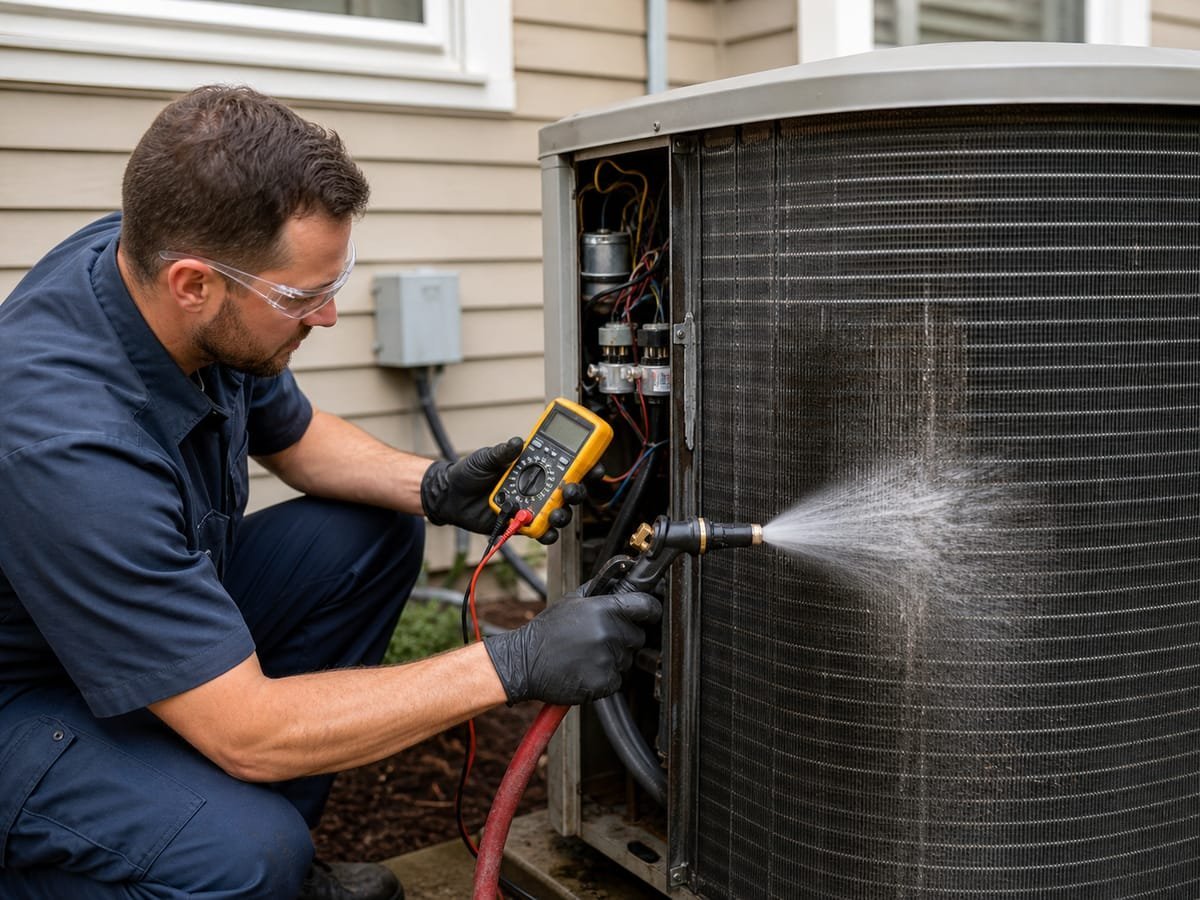
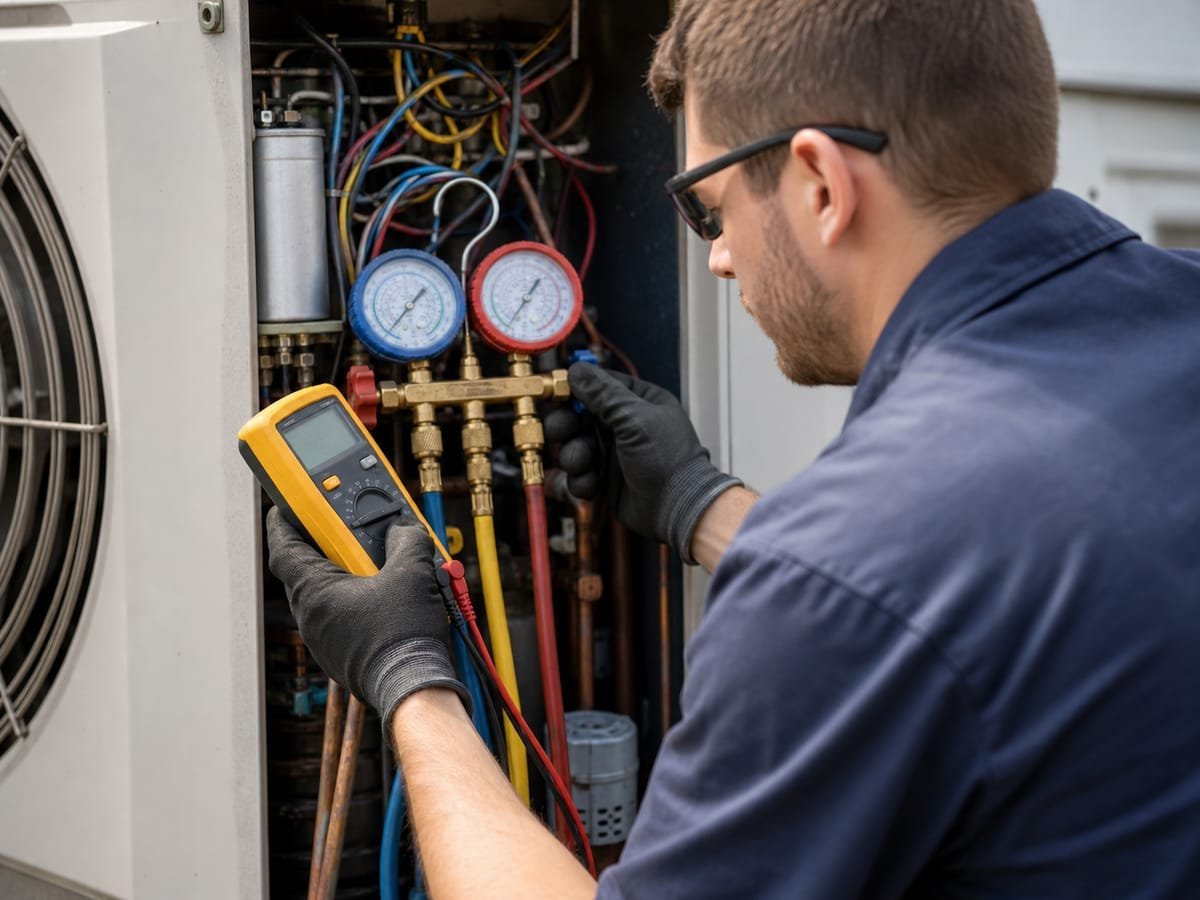
Keep your heating and cooling efficient and reliable with seasonal tune-ups that prevent breakdowns and extend system life.
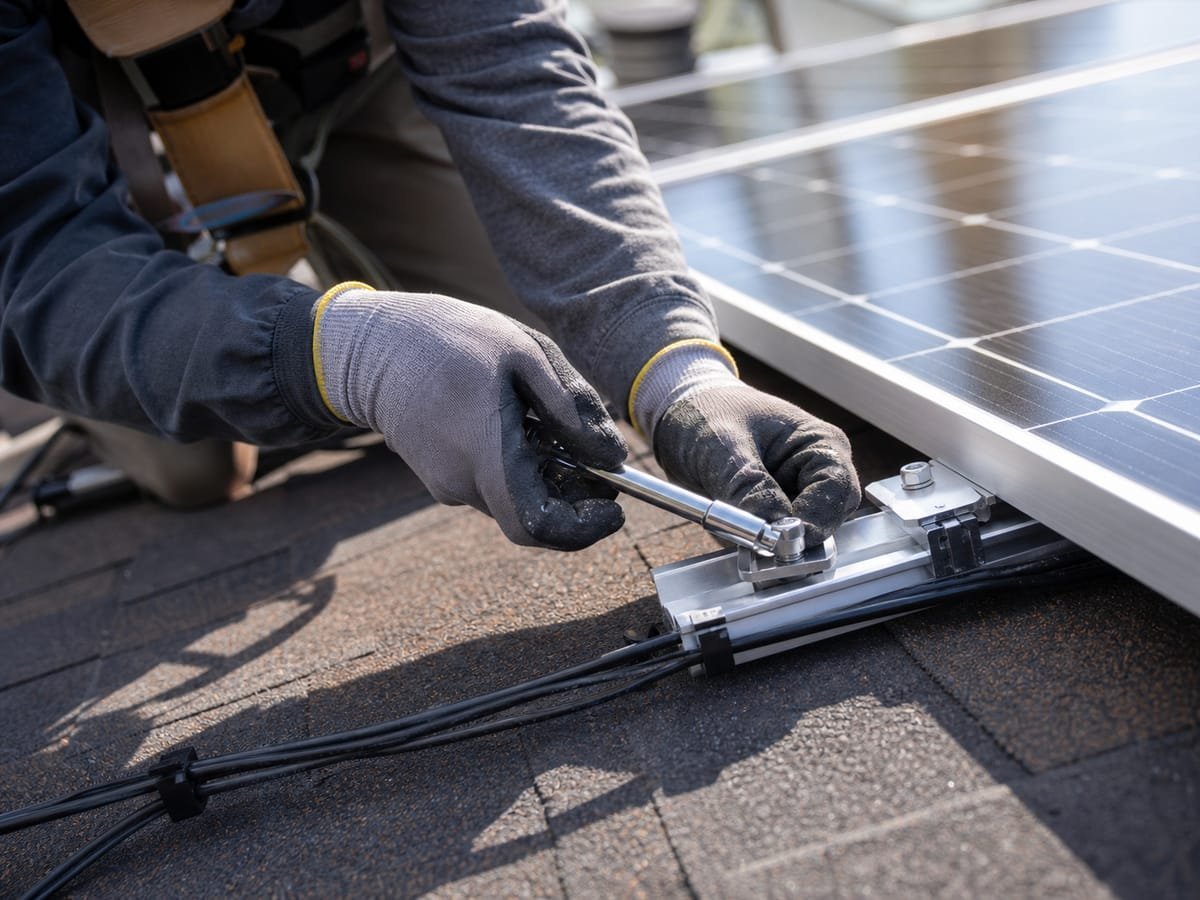
Lower electric bills and gain energy independence with a properly sized solar system, incentives, and optional battery storage.
Independent reading on questions this offer doesn't answer on its own.
No sign-up needed. No calls until you decide. Check availability, compare options, and proceed only when you're ready.