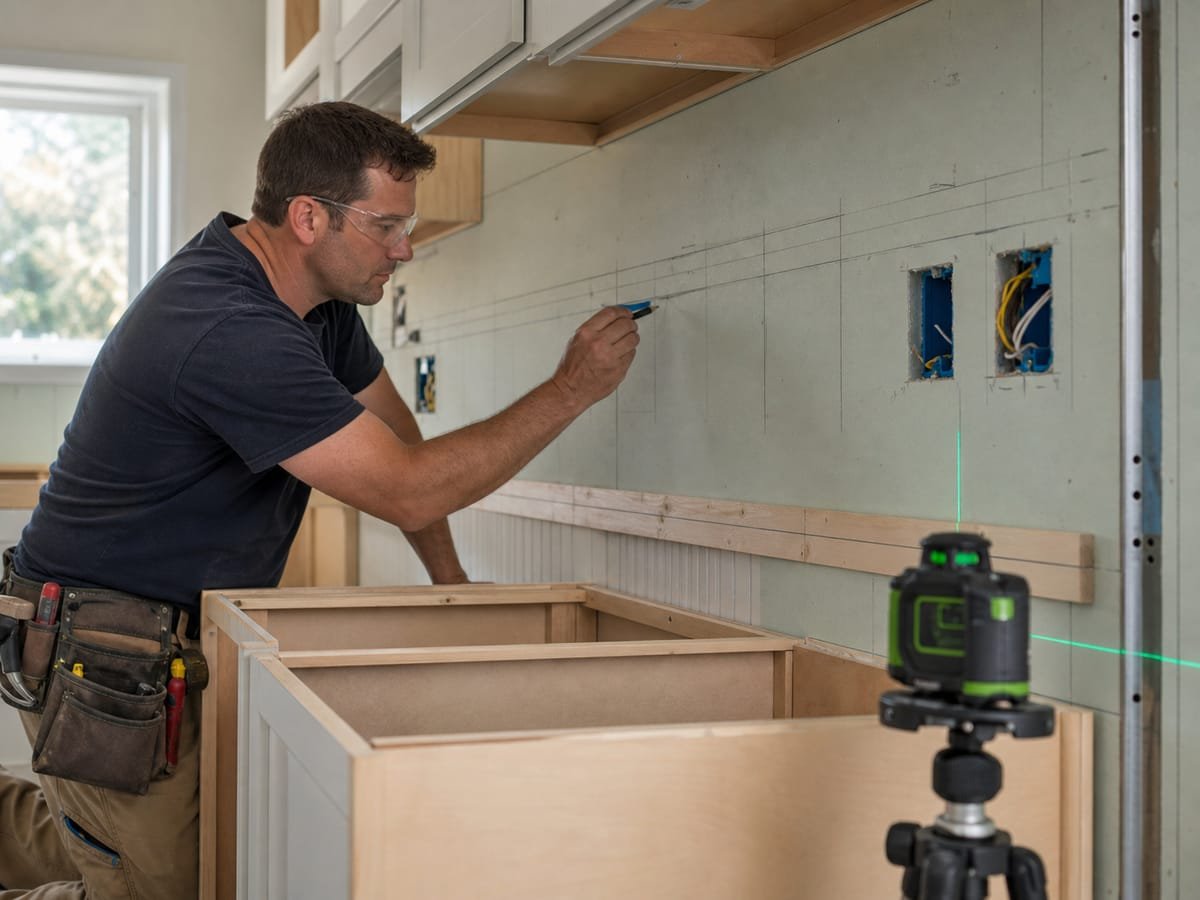

Kitchen Reconstruction
Rebuild a fire-, water-, or rot-damaged kitchen from the structure up — plumbing, framing, and finishes restored correctly.
A safe, structurally sound kitchen, rebuilt properly.
Plan Kitchen Reconstruction

Cabinets, countertops, plumbing, and fixtures — targeted fixes from pros who restore function without an unnecessary remodel.
A dripping sink or a cabinet door hanging off its hinge is easy to ignore — until it isn't. This guide covers what targeted kitchen repairs typically involve and how to find help without paying for a full remodel.
The kitchen absorbs more daily wear than any room in the house, so it's no surprise things break — a cabinet door off its hinge, a chip in the countertop, a sink that drips into the base cabinet, a drawer that won't close. Most of these don't call for a remodel; they call for a targeted repair. Fixing them promptly keeps your kitchen fully usable, prevents small issues from causing water damage, and saves the far larger cost of replacing what only needed a repair. Because kitchens combine plumbing, electrical, and heavy daily use in one space, a repair that looks minor on the surface can sometimes point to a larger issue worth having a professional check.
The right project depends on why you're starting one — an isolated problem, damage that needs rebuilding, or a voluntary upgrade.
One thing is broken or failing — a leak, an appliance, a cabinet — and the rest of the kitchen is otherwise fine.
The kitchen needs to be rebuilt because of major damage — water, fire, mold, or a structural failure.
Everything works, but you want a new layout, finishes, or fixtures by choice, not necessity.
The real-world benefits of moving forward.
Under-sink leaks quietly damage cabinets and floors — a fast repair prevents costly secondary damage.
Sagging doors and broken slides make daily cooking frustrating and are usually quick, affordable fixes.
When the kitchen basically works, targeted repairs restore function at a fraction of a renovation's cost.
Reliable repairs keep rental kitchens functional and protect the property between tenants.
Worn fittings and connections around older appliances are common, fixable sources of small leaks and wear.
A round of repairs after moving in restores full function before deciding whether a remodel makes sense later.
Hinges, slides, doors, and shelving are repaired or replaced so everything opens, closes, and holds weight properly.
Chips, cracks, burns, and separated seams are addressed to protect the surface and restore appearance.
Drips, weak flow, and disposal issues are corrected, and under-sink leaks are stopped before they damage cabinetry.
Worn handles, pulls, sprayers, and fittings are swapped for reliable operation and a refreshed look.
A clear look at the typical steps involved, from start to finish.
The tech reviews the problem areas — cabinets, counters, plumbing, fixtures — and identifies what's causing each.
You receive a straightforward explanation and price before any work starts.
Each issue is fixed at its source, from realigning doors to stopping a leak or repairing a countertop.
Base cabinets and flooring are checked for hidden moisture so nothing is overlooked.
Repairs are tested in normal use to confirm everything operates reliably before completion.
Important points to keep in mind as you explore this offer.
Under-sink leaks are urgent — the damage compounds faster than the fix costs.
Sound cabinet boxes usually mean doors and hardware can be repaired rather than replaced.
Countertop repairs protect the surface; visibility of the fix depends on the material.
Bundling several small repairs into one visit is often more cost-effective.
Repeated repairs on the same worn kitchen may signal it's time to consider a remodel.
Ask whether repairs carry any workmanship guarantee.
Not every kitchen issue needs a full remodel. This checklist helps distinguish a targeted repair from a sign of a bigger underlying problem.
This tool is meant to help you organize your own thinking and the questions you ask a provider — it isn't personalized financial, legal, medical, or contracting advice, and it doesn't collect or store anything you enter.
These three kitchen services solve different problems. Use this to confirm you're looking at the right one before requesting a quote.
Best for: A specific problem — a leaking sink connection, a broken cabinet hinge, a failing appliance hookup — in an otherwise functional kitchen.
Best for: Rebuilding after water damage, fire damage, or structural failure — restoring the kitchen, not redesigning it.
Best for: Changing the layout, cabinetry, or finishes by choice — not because something is broken.
This comparison describes general, commonly available options — not every provider offers every option, and actual terms, pricing, and availability depend on the specific provider and your circumstances.
The kitchen works harder than any other room in your home. Doors open and close dozens of times a day, the sink runs constantly, countertops take heat and impact, and every fixture gets used far more than its counterparts elsewhere in the house. So things wear out and break — and when they do, the instinct is sometimes to assume the whole kitchen needs redoing. Usually, it doesn't. Most kitchen problems are targeted repairs that restore full function quickly and affordably, keeping the room in service and heading off the water damage that turns a small fix into a big one.
Kitchen repair calls cluster around a few predictable areas, and knowing them helps you catch problems early.
If there's a single kitchen repair worth acting on immediately, it's a leak under the sink. That cabinet base sits directly beneath a constant water source, and it's usually made of materials that swell and delaminate when they get wet. A slow drip you can't quite see soaks into the cabinet floor, then spreads to the subfloor, warping surfaces and inviting mold. The leak itself — a loose connection, a failed seal, a worn supply line — is typically a quick, inexpensive fix. The damage from leaving it is what gets expensive. Any sign of moisture, mustiness, or staining under your sink deserves prompt attention.
Homeowners often assume that failing cabinet doors mean the cabinets are done. In reality, the boxes — the structural shells attached to the wall — usually far outlast the doors, hinges, and slides. If the boxes are solid, replacing or adjusting the hardware and doors restores the kitchen at a fraction of replacement cost. Full replacement is warranted when the boxes themselves are water-damaged, swollen, or coming apart. A brief assessment quickly tells you which camp your kitchen falls into, and a repair-first professional will be honest about it.
Yes, more often than people expect. Chips, small cracks, minor burns, and separated seams can frequently be repaired or filled across laminate, solid-surface, and natural stone materials. How invisible the repair turns out depends on the material and the location of the damage — a professional can set realistic expectations before starting. Repairing protects the surface from further deterioration and restores appearance without the cost and disruption of replacing an entire counter.
Kitchens telegraph their problems early to anyone paying attention. A cabinet floor beneath the sink that's swollen, darkened, or bubbling means water has been escaping for a while. A faucet that requires increasing force to shut off completely is telling you a cartridge is failing. Drawers that rack or stick after years of smooth service often signal loosened joinery — a quick fix now, a rebuild later. Grout lines darkening near the sink or dishwasher, a dishwasher that leaves a thin puddle at one corner, an outlet near the counter that trips repeatedly: each is inexpensive to address when caught early and expensive when ignored. The dishwasher supply line and the refrigerator's ice-maker line deserve special mention — they fail quietly behind appliances, and by the time you see water, the floor beneath may already be saturated and in need of professional water damage restoration.
Most kitchen repairs are short visits: faucet and disposal replacements, hinge and slide repairs, and caulk renewal are one-to-three-hour jobs, while resurfacing cabinet faces or repairing a section of countertop can take a day. Match the trade to the task — plumber for anything on the water side, appliance technician for the machines, cabinetmaker or skilled handyman for boxes, doors, and hardware. For countertop chips and seams, call a fabricator who works in your specific material; repair technique differs sharply between laminate, solid surface, quartz, and stone.
The most frequent error is treating the kitchen's small failures as cosmetic when they're functional. Painting over a water-stained cabinet floor without finding the leak, re-caulking a sink rim yearly instead of fixing why it keeps failing, running a disposal that hums (burning the motor rather than clearing the jam), and over-tightening a leaky faucet until the valve seat is ruined — each converts a modest repair into a replacement. The other trap is the opposite: pouring repair money into a kitchen whose cabinets, layout, and surfaces are all at end of life. When repairs start arriving monthly, step back and weigh whether a kitchen remodel — or, after serious damage, a kitchen reconstruction — is the sounder investment.
Because "kitchen repair" spans everything from a five-minute hinge adjustment to repairing water-damaged cabinetry, there's no single price. Individual repairs tend to be modest; the total simply depends on how many you tackle at once. In fact, bundling several small issues into one visit is often the most cost-effective approach. For an accurate figure, an on-site assessment lets the professional see the real scope rather than estimate blind.
Repairs are the smart choice when problems are isolated and the kitchen otherwise suits you. But there's a tipping point. If you find yourself repairing the same tired kitchen again and again, or if the real issue is a layout that doesn't work, inadequate storage, or a look you've outgrown, then continued repairs are just delaying a decision. At that stage, a kitchen remodel — or, if there's structural or water damage involved, a kitchen reconstruction — becomes the better investment. Knowing the difference keeps you from over-spending on repairs to a kitchen you're ready to replace, or under-investing when a few fixes would do.
One underrated benefit of repair over renovation is continuity. Most targeted repairs are quick and localized, so your kitchen stays usable throughout — no weeks of takeout and a taped-off room. If your kitchen has a handful of nagging problems, the efficient path is to have them properly assessed and fixed at once by an experienced professional who works across cabinetry, plumbing, and surfaces, catches any hidden moisture, and stands behind the work.
Facts and figures in this guide that come from an outside authority are backed by the sources below. Pricing, program rules, and eligibility details change — always confirm current specifics with the source directly or a licensed professional before acting.
Still have questions? The FAQ below covers the most common ones. Or use the button to check availability — there's no cost and no obligation.
Listed pros work across cabinetry, plumbing, and surfaces to fix the actual problem, not just one piece of it.
A good tech tells you when a repair will hold and when a component genuinely needs replacing.
Plumbing and water-related work calls for licensed, insured tradespeople — ask for proof of both.
Repair is almost always cheaper when the cabinet boxes are structurally sound and only doors, hinges, slides, or shelves have failed. Full replacement makes sense when the boxes themselves are water-damaged or falling apart. A quick assessment tells you which situation you're in.
Address it promptly. Under-sink leaks soak the cabinet base and can reach the subfloor, leading to warping, swelling, and mold. The leak itself is usually a simple fix; the damage from ignoring it is not.
Often, yes. Many chips, small cracks, and burns in laminate, solid surface, and stone can be repaired or filled to protect the surface and improve appearance. Whether a repair is invisible depends on the material and location, which a pro can assess.
Because the category ranges from a five-minute hinge adjustment to replacing a faucet or repairing water-damaged cabinetry, cost varies widely. Most individual repairs are modest; the total depends on how many issues you address at once. An on-site look gives the clearest estimate.
Over time, hinges loosen and cabinets settle, throwing doors out of alignment. It's usually corrected by adjusting or replacing the hinges — a fast, inexpensive fix rather than a sign the cabinets are failing.
Most targeted repairs are quick and localized, so your kitchen stays largely functional. That's a key advantage of repairing rather than remodeling, which takes the room out of service for a longer stretch.
If you're repairing the same worn-out kitchen repeatedly, or you want a different layout, better storage, or an updated look, a remodel may be the better investment. When the issues are isolated and the kitchen suits you otherwise, repairs are the smarter spend.
Continue your research with the most closely related offers, or browse every Home Services offer.
Rebuild a fire-, water-, or rot-damaged kitchen from the structure up — plumbing, framing, and finishes restored correctly.
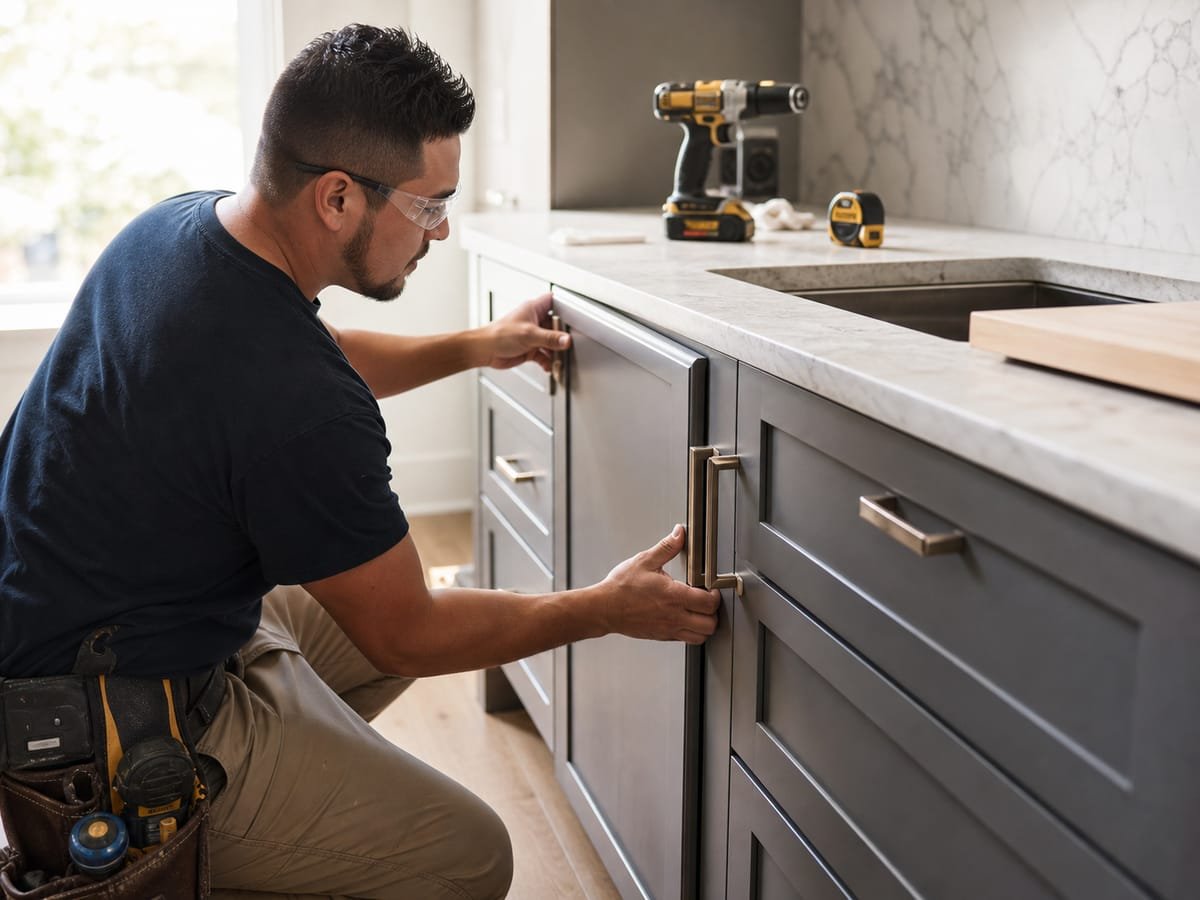
Redesign your kitchen's layout, cabinets, and counters for better function, style, and one of the strongest returns in home improvement.
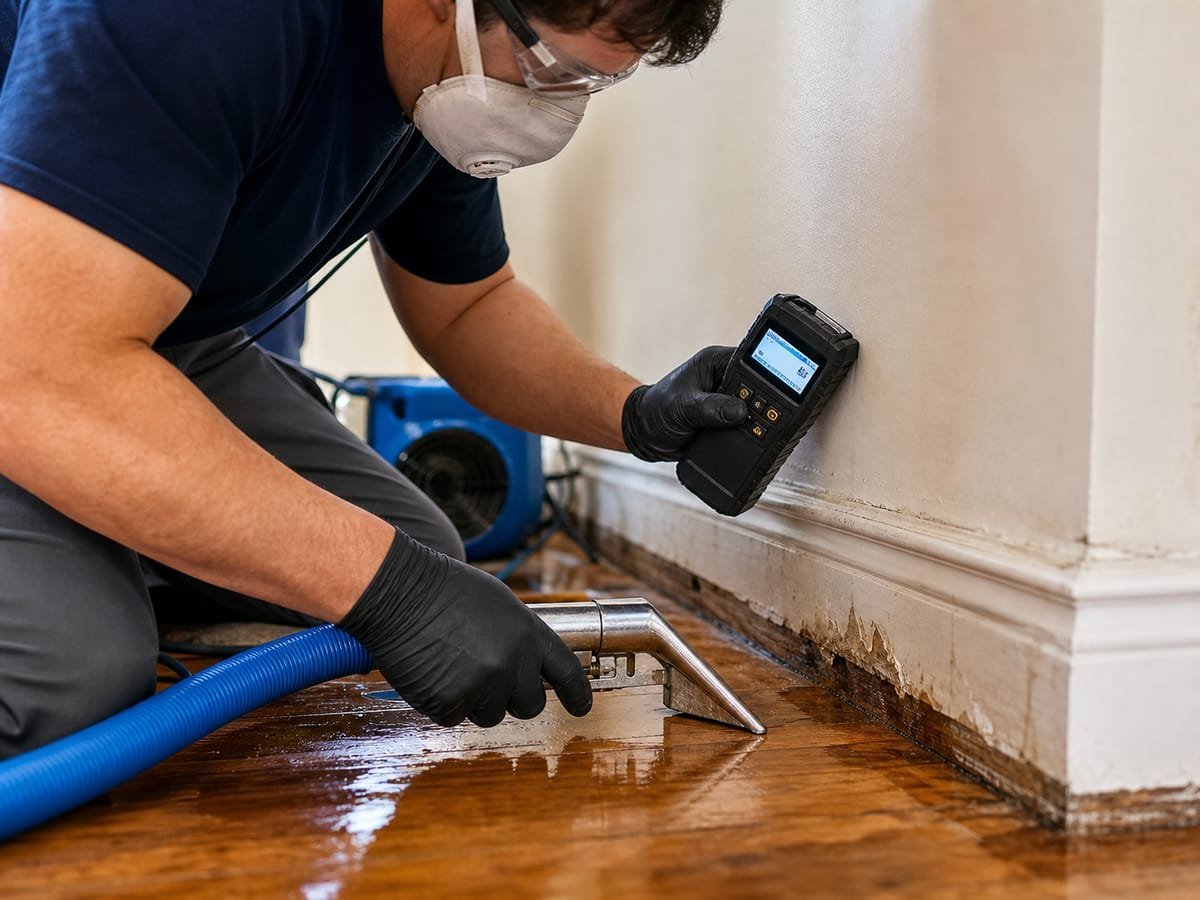
Rapid water extraction, drying, and restoration after leaks, burst pipes, or storm intrusion — before mold and structural damage set in.
Independent reading on questions this offer doesn't answer on its own.
No sign-up needed. No calls until you decide. Check availability, compare options, and proceed only when you're ready.