
Window Replacement or Remodeling? Choose the Right Project Scope
A scope-first guide for U.S. homeowners who need better windows but are unsure whether the opening, frame, wall, or room also needs to change.
Key takeaways
- Choose the project scope before comparing brands or glass packages.
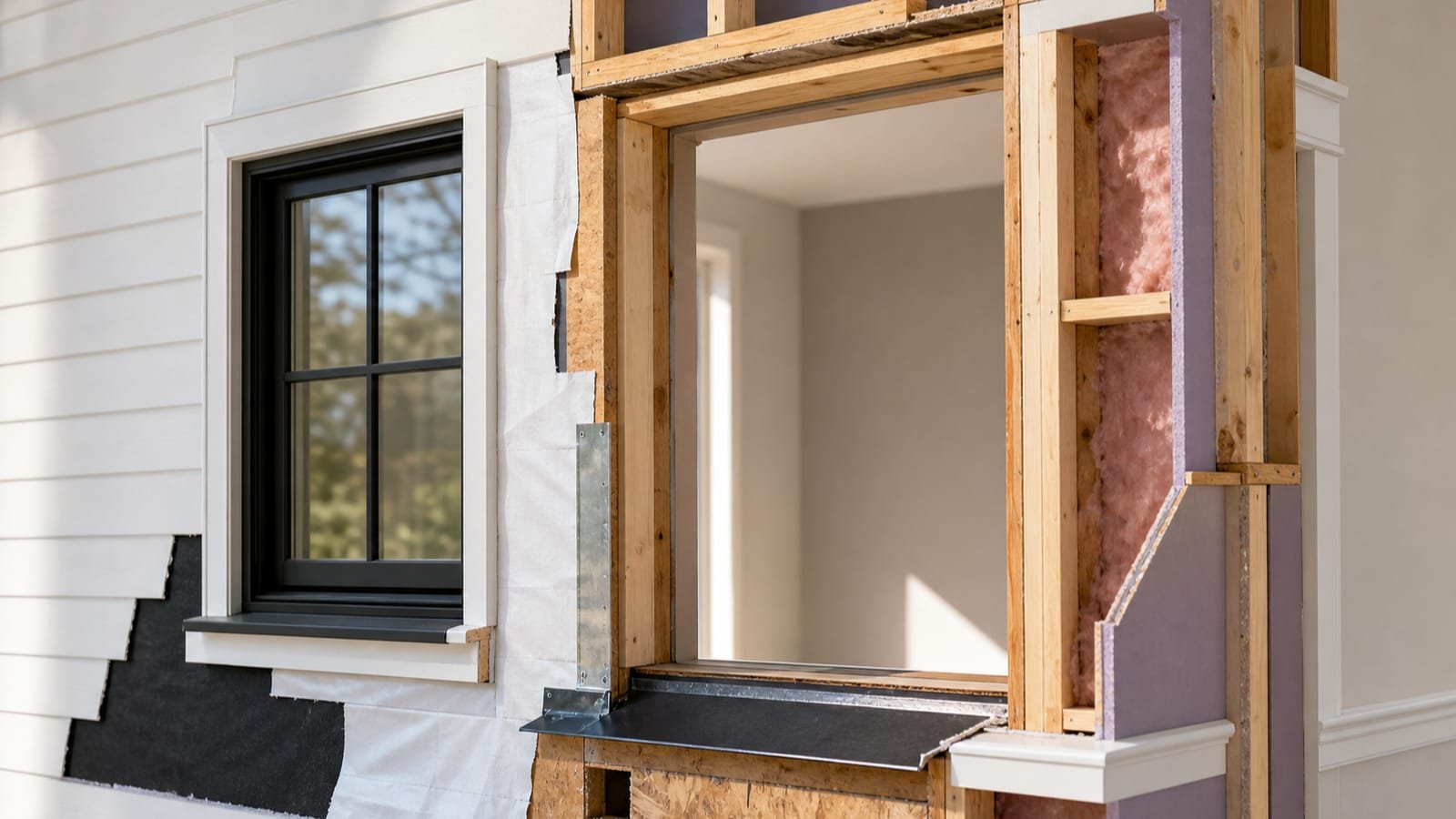
- Insert replacement retains more of the existing opening; full-frame work exposes more of it; remodeling changes the opening or surrounding wall.
- Water damage, poor flashing, frame distortion, or a layout change can make a simple insert scope inappropriate.
- Normalize every quote by installation method, performance ratings, exterior water management, interior finish work, and lead-safe requirements.
- A lower U-factor is not a complete decision; climate, solar exposure, air leakage, installation, and comfort goals also matter.
Window proposals become confusing when contractors use replacement, full-frame, and remodeling as if they mean the same thing. They do not. The first decision is not which brand to buy; it is how much of the existing opening must be retained, removed, repaired, or redesigned. Once that scope is documented, product ratings and prices become much easier to compare.
A high-performing product can still leak air or water when the opening is damaged, the flashing is incomplete, or the installation method does not fit the wall. Ask each bidder to describe what remains, what is removed, and how the water-control layers will be restored.
Three scopes that solve different problems

Window project scope matrix
| Scope | Usually fits when | What the quote must clarify |
|---|---|---|
| Insert or pocket replacement | The existing frame is square, stable, dry, and worth retaining | Loss of glass area, frame preparation, sealing, trim, and drainage |
| Full-frame replacement | The old frame, sill, flashing, or surrounding materials need exposure or replacement | Removal limits, rough-opening repair, flashing, insulation, exterior cladding, and interior trim |
| Window remodeling | The opening size, location, shape, or room layout changes | Design, structural header, engineering when needed, permits, exterior finish, electrical or plumbing conflicts, and final wall repair |
Inspect before choosing the scope
Conditions to document at each opening
- Soft wood, staining, peeling paint, recurring condensation, or visible mold
- Out-of-square frames, difficult operation, failed locks, or cracked surrounding finishes
- Where water drains above and below the opening during wind-driven rain
- Existing exterior cladding, housewrap or drainage plane, flashing, sill pan, and trim
- Interior casing, shades, tile, cabinetry, outlets, or furniture affected by the work
- Whether the home was built before 1978 and lead-safe renovation rules may apply
Do not assume interior staining proves the window itself failed. Water can travel from roofing, siding, penetrations, or missing flashing before appearing at a window. Likewise, recurring interior condensation may reflect indoor humidity, cold surface temperatures, air leakage, or a combination. A useful estimate identifies the observed condition and the proposed correction instead of promising that a new unit will solve every moisture symptom.
Compare performance using the same language

ENERGY STAR recommends selecting products for the home's climate zone and checking the NFRC label. NFRC ratings let homeowners compare U-factor, solar heat gain coefficient, visible transmittance, and—where reported—air leakage and condensation resistance. Request the exact rated product configuration, because glass layers, coatings, spacers, frame material, grids, and operating style can change the label values.
Questions that make ratings useful
| Question | Why it matters |
|---|---|
| What climate and orientation problem are we solving? | Solar gain that helps one exposure can overheat another. |
| Is this rating for the exact quoted size and glass package? | Marketing ranges may not describe the installed configuration. |
| How will the opening be air-sealed and flashed? | Labor and water management affect performance beyond the label. |
| Will the new frame reduce visible glass? | Insert projects can change daylight and sightlines. |
| How will condensation risk be managed? | Glass temperature, indoor humidity, ventilation, and installation interact. |
Turn bids into comparable scopes
Every proposal should state
- Opening-by-opening dimensions and the installation method
- Manufacturer, product line, operating type, frame material, glass package, and NFRC ratings
- Exactly which frame, sill, trim, siding, and interior finishes are removed or retained
- Flashing, sill-pan, drainage, insulation, sealant, and fastening details
- Repair allowances and the approval process for concealed damage
- Lead-safe containment and cleanup when applicable
- Permit responsibility, protection of the home, disposal, schedule, payment milestones, and warranties
For pre-1978 housing, window work can disturb lead-based paint. EPA advises consumers to use a lead-safe certified contractor for covered renovation work and to understand the required information and cleanup practices. Include this in the base scope rather than treating containment as a surprise after work starts.
Score the proposal in four separate columns
Window proposal scorecard
| Category | Strong evidence | Weak evidence |
|---|---|---|
| Scope fit | Opening condition is documented and the installation method follows from it | The method is selected before anyone examines the frame or water path |
| Product fit | Exact NFRC ratings, operating type, dimensions, glass package, climate, and orientation are connected | A broad product line or efficiency slogan substitutes for the quoted configuration |
| Installation | Flashing, drainage, air sealing, insulation, attachment, finish restoration, and testing are specified | The proposal says only 'install and caulk' |
| Accountability | Damage allowances, permits, protection, lead-safe work, schedule, payment, and warranties are written | Important work is left to verbal assurances or 'as needed' language |
Score each category independently rather than letting a strong product rating compensate for an undefined installation. If two proposals use different scopes, ask for an alternate or revised bid on the same basis. A full-frame bid can reasonably cost more than an insert bid because it includes different demolition, water management, trim, and concealed-condition exposure; the totals are not meaningful until that difference is visible.
Plan sequencing and household disruption
Pre-installation plan
- Confirm final opening schedule, handing, hardware, screens, safety glazing, egress, colors, grids, and privacy glass before ordering
- Verify measurements and who owns a remake if dimensions are wrong
- Identify furniture, window treatments, alarms, outlets, landscaping, masonry, siding, and interior finishes that need protection or removal
- Define daily weather limits, temporary closure, security, dust control, lead containment, child and pet separation, and cleanup
- Sequence one opening or test installation first when hidden conditions or finish matching are uncertain
- Record delivery inspection, storage, damaged-product handling, and long-lead replacement procedure
Close out the installation with evidence
Before final payment, operate every sash, lock, screen, and hardware component. Check consistent reveals, drainage paths, perimeter seals, interior and exterior finish, cleanup, and any agreed water testing. Collect the opening schedule, product labels or certificates, warranty registrations, care instructions, permit closeout, photos of concealed flashing where available, and the contractor's service contact. Keep records by opening so a future claim identifies the exact unit and installation.
New windows may improve drafts, surface temperatures, operation, noise, or condensation resistance, but whole-home energy results depend on climate, orientation, air leakage, HVAC, insulation, behavior, and installation. Require any numerical promise to disclose its assumptions and remedy.
Can every old window receive an insert replacement?
No. Insert work depends on a serviceable existing frame and a compatible opening. Rot, distortion, failed water management, or a design change can justify a larger scope.
Does full-frame always mean structural remodeling?
No. Full-frame replacement removes the existing unit to the rough opening, but the opening can remain the same size. Remodeling changes the opening or surrounding construction.
Should every window have the same glass package?
Not necessarily. Climate, orientation, shading, room use, comfort, and local requirements can support different specifications, provided the appearance and proposal remain coordinated.
Related offers


Sources
Facts and figures in this guide that come from an outside authority are backed by the sources below. Pricing, program rules, and eligibility details change — always confirm current specifics with the source directly or a licensed professional before acting.
- Renovation, Repair and Painting Program: ConsumersU.S. Environmental Protection Agency · Accessed 2026-07-19
- Residential Windows, Doors, and SkylightsENERGY STAR · Accessed 2026-07-19
- Window Energy Performance Ratings and Selection ToolNational Fenestration Rating Council · Accessed 2026-07-19
- Checklist for Finding and Hiring a Builder or RemodelerNational Association of Home Builders · Accessed 2026-07-19
- Contractor Selection ChecklistNational Association of the Remodeling Industry · Accessed 2026-07-19
Editorial information
- We prioritize primary, authoritative sources over provider marketing.
- Commercial relationships never influence what we publish or how it's written.
- Pages are dated and updated only when they've genuinely been reviewed or changed.
Related guides
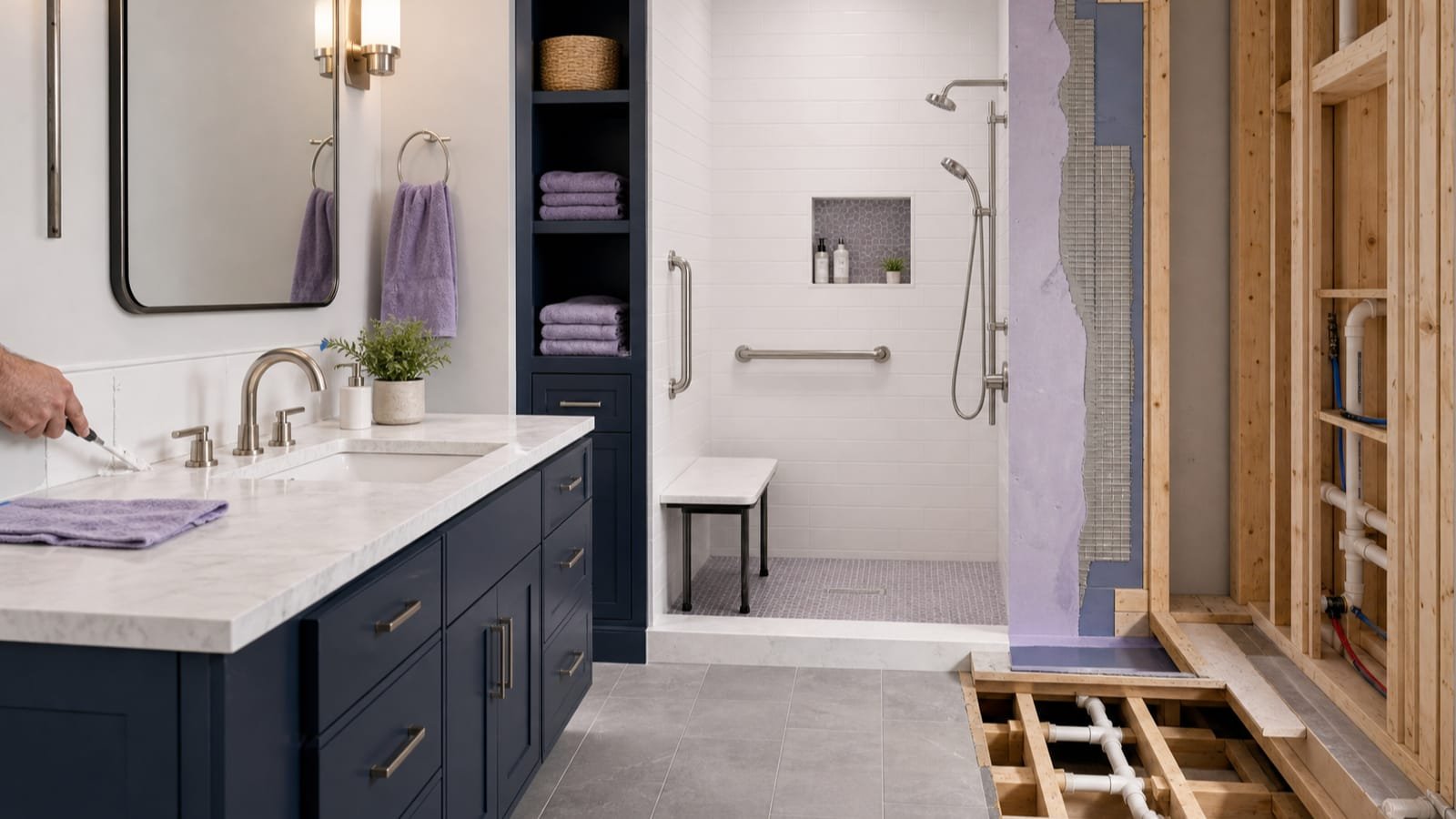
Bathroom Repair, Remodel, or Reconstruction? A Scope Decision Guide
Use moisture, safety, layout, and system-condition evidence to decide whether a bathroom needs repair, remodeling, or reconstruction.

Kitchen Repair, Remodel, or Reconstruction? A Scope Decision Guide
Separate targeted kitchen repairs from functional remodeling and damage-driven reconstruction, then compare bids on one consistent scope.

Home Repair, Remodel, or Reconstruction? Plan the Right Level of Work
Decide whether a whole-home problem calls for targeted repair, coordinated remodeling, or reconstruction, then organize dependencies and bids.
Ready to explore Window Replacement?
Continue your research or check availability — there's no cost and no obligation.