In depth
In depth
Solar Installation: When Does Going Solar Actually Pay Off?
Solar power has crossed the line from early-adopter curiosity to mainstream home upgrade, and the reason is straightforward: for a growing number of households, the numbers work. A well-designed system can offset most or all of a home's electricity use, protect you from years of rising utility rates, and pay back its cost within a reasonable horizon, after which the power essentially costs nothing. But "for a growing number of households" is doing real work in that sentence. Whether solar pays off for your home depends on a handful of specifics, and understanding them is the key to a smart decision.
The Factors That Determine Your Savings
Solar isn't one-size-fits-all. A few variables drive whether a system delivers strong returns or modest ones.
- Your electricity usage and rates. The more power you use and the higher your utility charges per kilowatt-hour, the more a solar system saves. Homeowners with high bills in high-rate areas see the fastest payback.
- Your roof and site. Orientation, tilt, shading, and available space all affect production. South-facing, unshaded roofs in sunny regions perform best, though many orientations still produce well.
- Local sunlight. Sunnier climates generate more, but solar is viable in many regions with moderate sun because the economics rest on your rates and incentives as much as raw sunshine.
- Incentives. State, local, and utility programs can meaningfully change the math — and with the federal residential credit ended after 2025, they matter more than ever.
A reputable installer builds savings estimates from your actual electric bills and local rates — not an inflated best case — which is exactly the kind of honesty to look for.
The Federal Tax Credit and Other Incentives
For years, the federal residential clean energy credit let homeowners claim 30% of a purchased system's cost against their federal taxes — and it drove much of the solar boom. That landscape has changed: under legislation passed in 2025, the residential credit ended for systems placed in service after December 31, 2025 (as of 2026 — see the IRS Residential Clean Energy Credit page for current rules). Homeowners buying a system outright today should run the numbers without assuming a federal credit, and be wary of any salesperson who still promises one.
That doesn't mean incentives are gone entirely. A separate federal credit for commercially owned systems (Section 48E) is what let some leases and power purchase agreements pass savings through to you in the monthly rate — but that credit came with its own construction-start deadline, which has already passed for new projects as of mid-2026. Don't assume a lease or PPA quoted today automatically qualifies; ask the provider directly whether their specific project locked in the credit, and get it in writing. Many states, municipalities, and utilities also offer their own rebates, property-tax exclusions, sales-tax exemptions, or performance incentives — and in some markets these are substantial. Because programs change frequently and vary by state, confirm what's currently available where you live and ask a tax professional how any incentive applies to your situation before signing.
Net Metering: The Policy That Shapes Your Return
Here's a piece many first-time solar shoppers overlook, yet it heavily influences savings: net metering. Because your panels produce most during the day — often more than you use at that moment — net metering lets you send that excess to the grid and receive credit, which offsets the power you pull at night. The catch is that net-metering policies vary enormously by state and utility, and some are far more generous than others. Since this directly affects how much you save, understanding your local net-metering terms before you install is essential, not optional.
The Roof Question
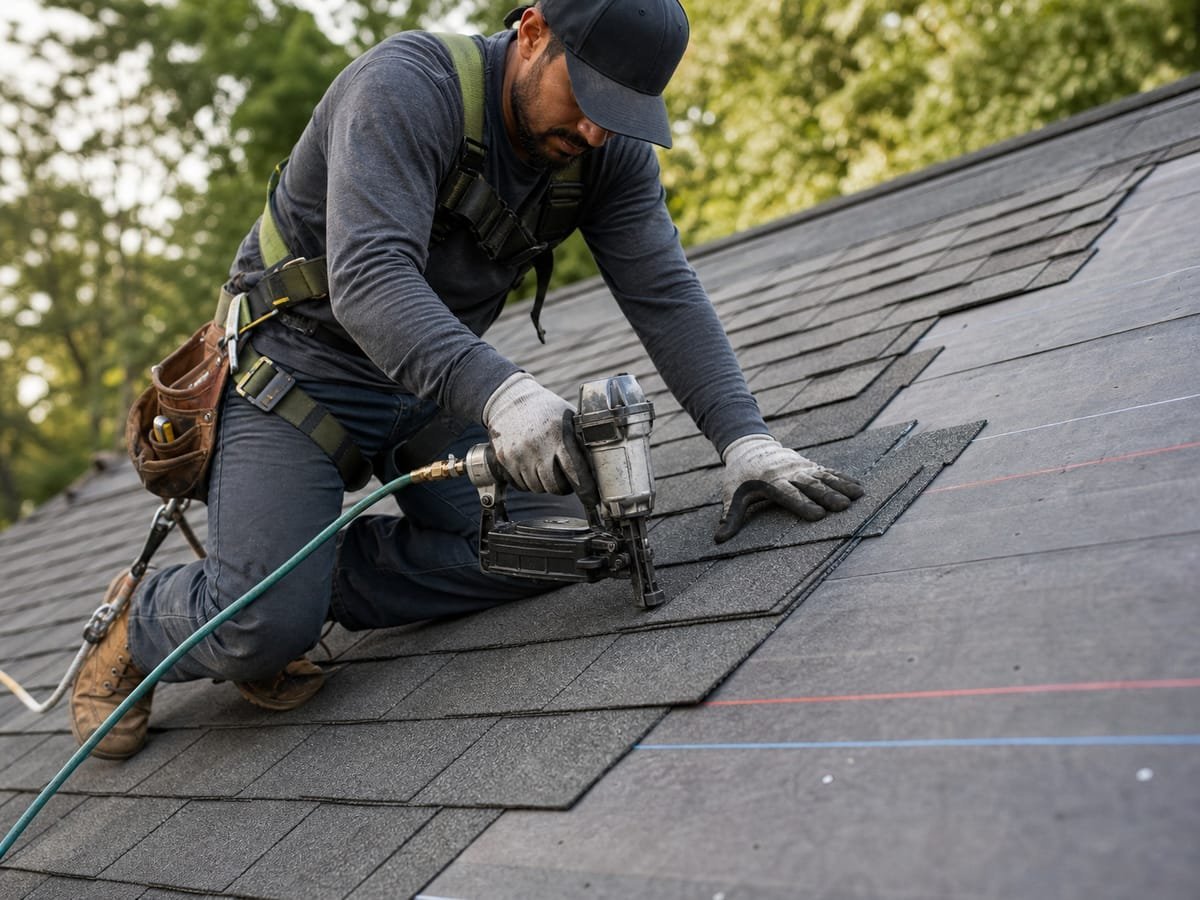
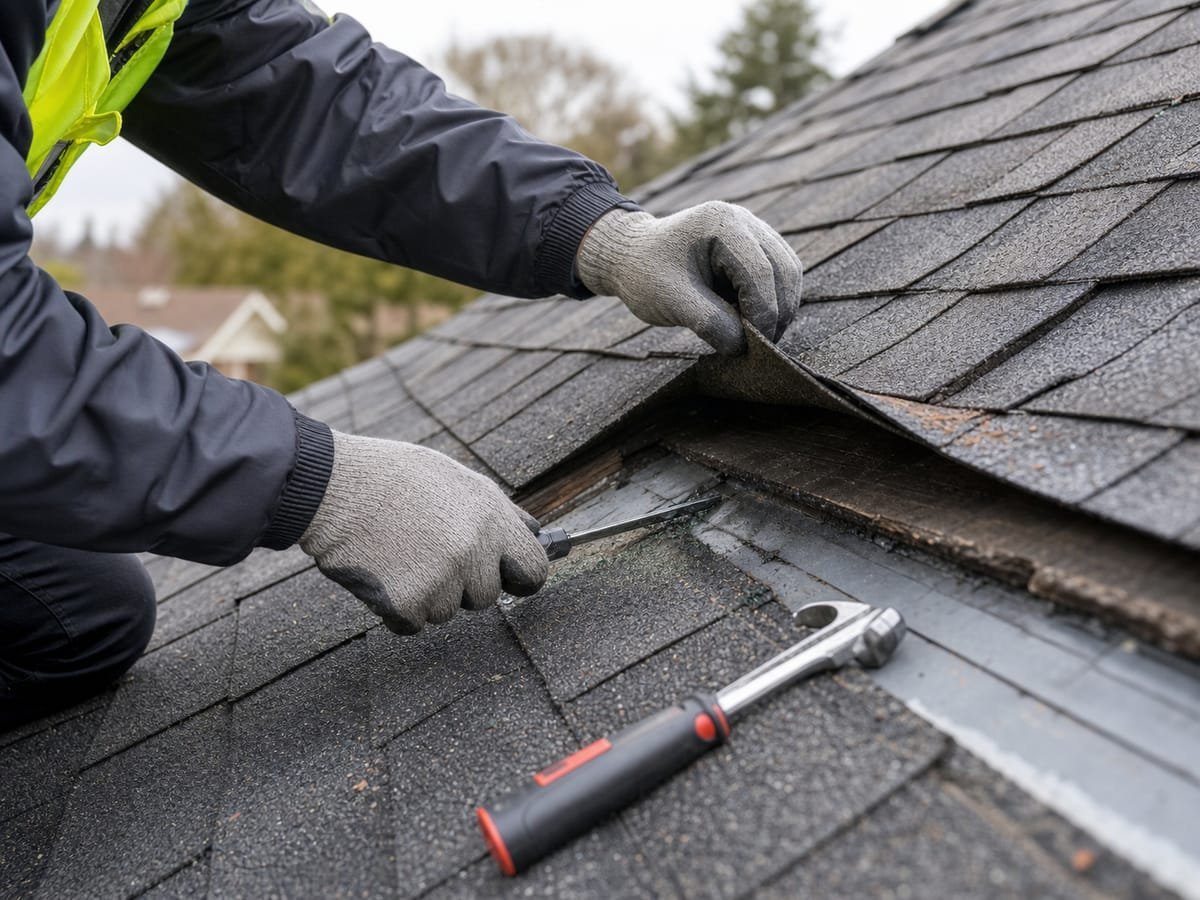
Solar panels are designed to last decades, which raises an obvious but important issue: your roof needs to last just as long. If your roof is aging or near the end of its life, the smart move is to replace it before installing panels, so you're not paying to remove and reinstall a solar array partway through its life to redo the roof beneath it. Aligning the two lifespans from the start avoids a costly, avoidable headache later. A quality installer will assess your roof's condition as part of the process, and if a replacement is due, coordinating that first is well worth it.
How You Pay: Buy, Finance, Lease, or PPA
How you pay for solar shapes how much you benefit, and it's one of the most consequential decisions.
- Cash purchase delivers the greatest long-term value: you own the system outright and keep every dollar of savings it produces.
- Solar loan spreads the cost while still letting you own the system, making ownership accessible without a large upfront outlay.
- Lease or power purchase agreement (PPA) requires little or nothing upfront, but the provider owns the system and keeps the incentives; you pay for the equipment or the power it produces.
For most homeowners focused on maximizing savings, ownership — cash or loan — is the stronger play because it captures the full economic benefit of every kilowatt-hour produced. Leases and PPAs can suit those who want solar with minimal involvement, but the trade-off in long-term value is real. Read any contract's terms carefully.
Adding Battery Storage
Solar and battery storage are often discussed together, but a battery isn't required for solar to save money. What it adds is resilience and flexibility: backup power when the grid goes down, and the ability to store your daytime production for use in the evening rather than pulling from the grid. It also increases the upfront cost. Whether a battery makes sense depends on how often your area loses power, how your utility structures its rates, and how much you value energy independence. In outage-prone regions, many homeowners consider it well worth the added investment.
What Installation Involves
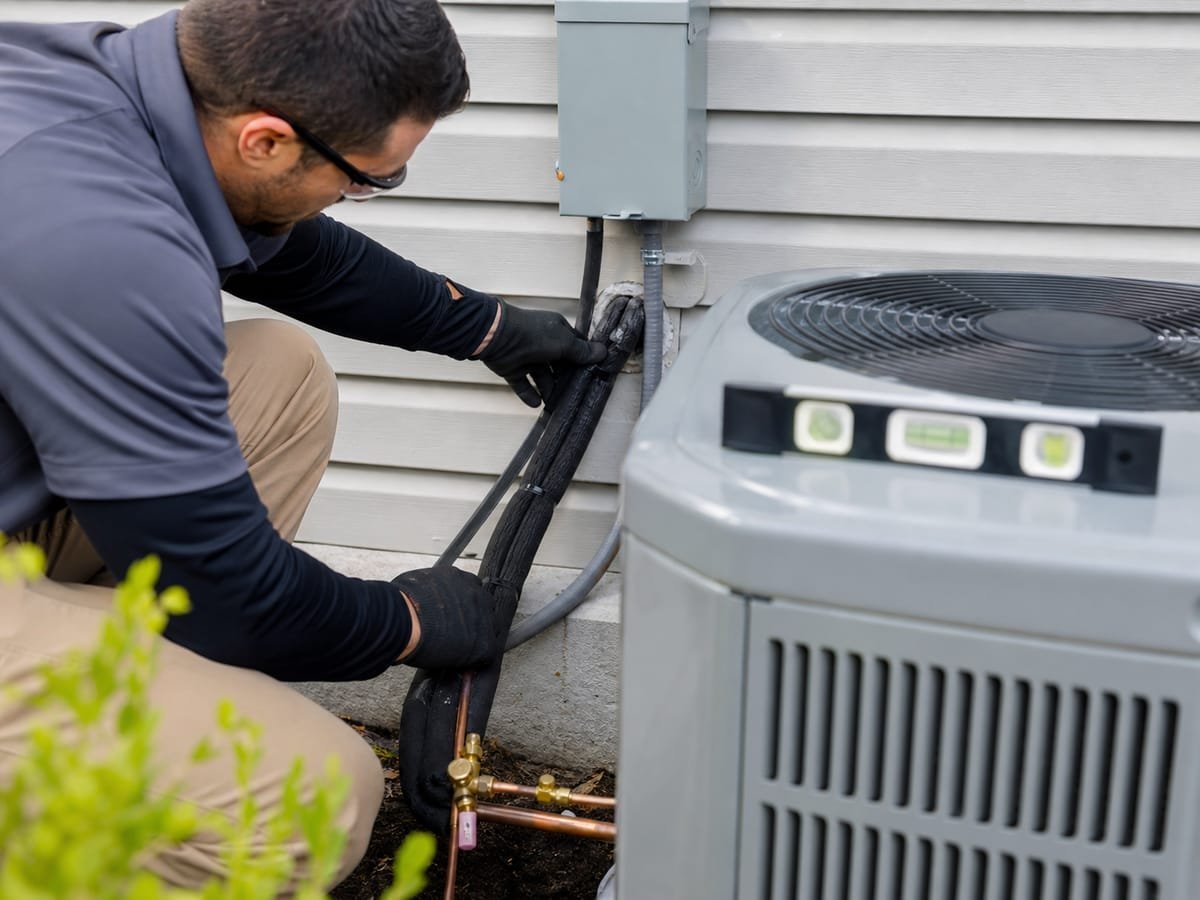
Once you've chosen a system, the process is well-established. After the assessment and design, you receive an itemized proposal with production estimates and any applicable incentives. The installer then handles permitting and utility interconnection — the approvals required to connect legally to the grid. Physical installation typically takes from a day to a few days depending on system size. Finally, the system must pass inspection and receive utility permission to operate before it begins producing. A good installer manages all of this so you're not navigating bureaucracy alone.
Maintenance, Monitoring, and How Long It All Lasts
Solar's ongoing demands are refreshingly light. Panels have no moving parts and commonly carry 25-year production warranties, degrading slowly enough that a well-made panel still produces the large majority of its original output decades in. Rain handles most cleaning in most climates; occasional attention matters mainly in dusty, pollen-heavy, or snow-prone areas. The component to watch is the inverter — string inverters often need replacement once during a system's life, while microinverters typically carry longer warranties. Use your monitoring app monthly, not obsessively: a sustained, unexplained dip in production is the early signal worth a service call. Keep documentation — panel serials, warranty terms, production history — as carefully as you'd keep roof paperwork; it matters at resale.
Mistakes Solar Shoppers Make
The classic error is buying on price per watt while ignoring who's doing the roof work — a cheap installation that leaks makes every kilowatt-hour expensive. Others: signing before checking the roof's remaining life (re-roofing under panels later means paying to remove and reinstall the array, so get a professional roof inspection first, and if the roof is near end of life, do the roof replacement before the panels go up); accepting production estimates no one will stand behind in writing; assuming yesterday's federal tax credit still applies to a purchase today; and treating a lease's escalator clause as fine print instead of doing the 20-year math. Finally, verify the installer's own history — warranty service from a company that vanished is no warranty at all.