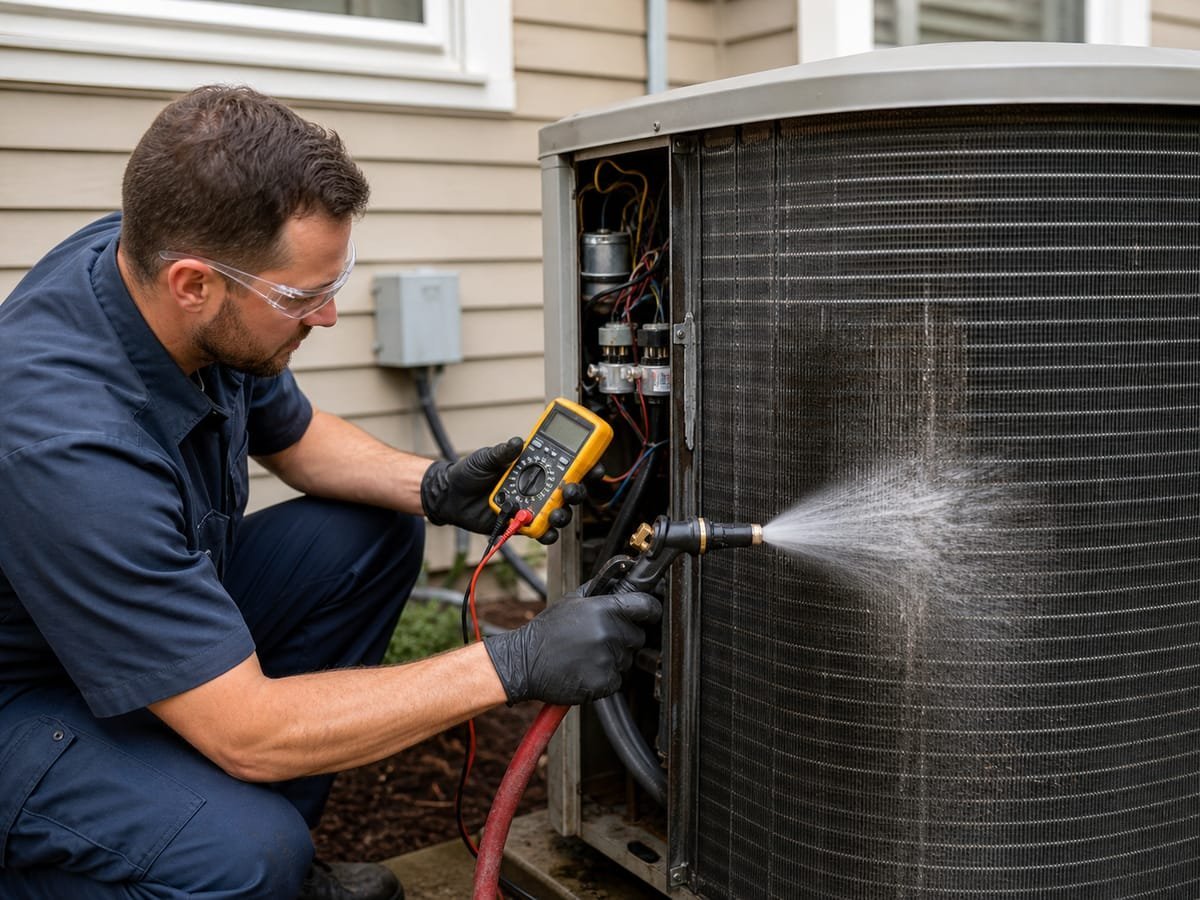

HVAC Maintenance
Keep your heating and cooling efficient and reliable with seasonal tune-ups that prevent breakdowns and extend system life.
Fewer breakdowns, lower bills, longer system life.
Find HVAC Maintenance Pros

From drywall and doors to plumbing and electrical fixes — connect with experienced pros who handle the repairs a home needs to stay safe and sound.
A growing list of small repairs — a stuck door, a dead outlet, damaged drywall — can quietly turn into safety issues if it sits too long. This guide helps you prioritize fixes and find dependable help.
Every home develops a running list of things that need fixing — a leaky faucet, a cracked pane, a door that won't latch, a light switch that's stopped working, drywall dinged by daily life. Left alone, small problems compound, and some quietly threaten your home's safety or structure. Reliable home repair keeps that list from growing, addressing issues across every system so your house stays comfortable, functional, and protected. Because repair needs span so many different trades, from plumbing to electrical to general carpentry, having a reliable way to find qualified help for whatever comes up next saves both time and stress.
The right project depends on why you're starting one — an isolated problem, damage that needs rebuilding, or a voluntary upgrade — across more than one room.
A specific, isolated problem needs fixing — not a room-by-room overhaul.
Your home needs to be rebuilt because of major structural or disaster-related damage.
Nothing is broken — you want a voluntary redesign, expansion, or improvement across the home.
The real-world benefits of moving forward.
If small fixes have piled up, a capable pro can clear the whole list efficiently in one or a few visits.
Those without the time or tools for repairs get them done correctly without weekend-long DIY attempts.
A recently purchased home often needs a round of repairs and small updates to feel fully move-in ready.
Prompt, reliable repairs keep rentals safe and functional and protect the property between tenants.
Not everyone wants to tackle repairs themselves, and a reliable pro means the list actually gets done.
Clearing outstanding repairs before listing helps a home show better and avoids inspection surprises.
Experienced pros handle a broad range of repairs, so you're not coordinating separate specialists for every small job.
Leaks, weak fixtures, faulty switches, and outlets are corrected safely by qualified tradespeople.
Holes, cracks, water stains, and damaged trim are patched and finished to blend cleanly with surrounding surfaces.
Sticking doors, failed latches, drafty windows, and worn hardware are restored to smooth operation.
A clear look at the typical steps involved, from start to finish.
You describe the repairs you need, from a single fix to a full punch list of nagging issues.
The pro reviews the work, flags anything urgent, and provides a clear estimate before starting.
Safety and water-related issues are handled first, followed by function and cosmetic fixes.
Repairs are completed and blended so patched and fixed areas match the surrounding home.
You review the completed work together to confirm everything operates and looks right.
Important points to keep in mind as you explore this offer.
Prioritize water, electrical, and structural issues — they cause the most damage when delayed.
Bundling several small repairs into one visit is usually more cost-effective.
A repair that keeps failing may be a symptom of a larger underlying problem.
Confirm that plumbing and electrical work is done by appropriately licensed pros.
Handle small issues as they arise rather than letting a backlog grow.
Ask whether repairs carry any workmanship guarantee.
General home repair covers a wide range of issues. This checklist flags the kinds of signs that are worth a professional opinion rather than a DIY fix.
This tool is meant to help you organize your own thinking and the questions you ask a provider — it isn't personalized financial, legal, medical, or contracting advice, and it doesn't collect or store anything you enter.
These three whole-home services solve different problems. Use this to confirm you're looking at the right one before requesting a quote.
Best for: One or a few specific issues — a leak, damaged siding, a broken fixture — in an otherwise sound home.
Best for: Rebuilding after significant damage — fire, storm, structural failure — across one or more areas of the home.
Best for: Changing the layout, finishes, or function of your home by choice.
This comparison describes general, commonly available options — not every provider offers every option, and actual terms, pricing, and availability depend on the specific provider and your circumstances.
Every home generates a steady stream of small problems. A faucet starts to drip. A door stops latching cleanly. A patch of drywall takes a hit. An outlet goes dead. Individually, none feels urgent — which is exactly why they pile up into a running list that never seems to shrink. The trouble is that some of those "small" problems aren't small at all once you look closer, and even the genuinely minor ones tend to get worse, not better, the longer they wait. Reliable home repair is about staying ahead of that list, keeping your house safe, functional, and holding its value.
Homes are collections of systems, and repairs span all of them. An experienced home repair professional typically handles:
For major or specialized work — re-roofing, an electrical panel replacement, significant structural repair — a good generalist will point you to the right licensed specialist rather than overreach.
When the list is long and the budget isn't infinite, the question becomes what to fix first. The answer is straightforward: anything involving water, electrical safety, or structure jumps to the front. These are the problems that cause real damage and real risk when ignored. A slow leak rots wood and breeds mold. A faulty electrical connection is a safety hazard. A structural issue only gets worse under load. Cosmetic problems — a scuffed wall, a squeaky hinge — can wait without consequence. A trustworthy professional helps you triage this way, steering your money toward what protects the home rather than what's merely annoying.
Not every repair is self-contained. Sometimes the fix you need points to a deeper problem. A leak that returns after being repaired, a crack that keeps spreading, a floor that's gone soft, a door that won't stay aligned no matter how often it's adjusted — these can be signs of underlying water damage, settling, or structural movement. The value of an experienced eye is knowing the difference: when a repair is genuinely the end of the story, and when it's a symptom worth investigating before you keep patching. Catching that early can save you from paying for the same fix over and over, or from a much larger repair down the road.
Plenty of home repairs are well within reach of a capable homeowner with the right tools and a spare afternoon. Hanging a shelf, swapping hardware, patching a small hole — go for it. The calculus changes with plumbing, electrical, and anything involving hidden damage, where a mistake can be expensive or unsafe. There's also the simple matter of time and momentum: a backlog that's been nagging you for months can often be cleared by a professional in a single visit, done correctly, freeing your weekends for something other than a half-finished project.
Most expensive home repairs begin life as cheap maintenance that didn't happen. A simple seasonal rhythm catches the majority: in spring, walk the exterior after winter — look at the roofline, flashing, and siding, and have gutters cleaned and inspected so meltwater and spring storms drain away from the foundation. In summer, service what works hardest: check caulk and weatherstripping, test GFCI outlets, and keep up with HVAC maintenance before peak load. In fall, clear gutters again after leaf drop, disconnect hoses, and check the water heater and furnace before the first cold snap. In winter, watch for ice dams, monitor humidity, and know where your main water shutoff is before you need it. An hour per season beats a crisis per year.
Knowing who to call is half the skill of homeownership. A good handyman is ideal for the broad middle: doors, trim, caulk, drywall patches, fixture swaps, minor exterior repairs — one visit, many small items, efficient pricing. Licensed specialists are non-negotiable where safety and code are involved: electrical panel or circuit work, gas lines, structural changes, and major plumbing. Roofing belongs with roofing professionals for both safety and warranty reasons. A practical rule: if the repair touches something that could burn, flood, or collapse, hire the license; if it's finish and function, a proven handyman is usually the better value.
The pattern behind most major repairs is postponement plus misdiagnosis. Common versions: caulking over a gap that's leaking from behind; repainting a stained ceiling without finding the water; resetting a breaker repeatedly instead of asking why it trips; ignoring a door that suddenly won't latch (sometimes seasonal, sometimes the house moving); and treating a damp basement smell as normal. Water is the through-line — most of a home's catastrophic repairs are water damage in slow motion, which is why anything that stays wet deserves fast attention and, when it's beyond a simple fix, professional water damage restoration. The other classic mistake is batching nothing: calling a pro for each tiny item separately costs far more than keeping a running list and booking a half-day visit.
Because home repair covers everything from a five-minute adjustment to a multi-hour fix, there's no single price. Many individual repairs are inexpensive, and here's a useful efficiency: bundling several small jobs into one visit almost always costs less than scheduling separate trips for each. That makes it worthwhile to keep a running list and address it in batches rather than one item at a time. For an accurate number, an on-site assessment lets the pro see the actual scope.
The homeowners who spend the least on repairs over time are the ones who don't let problems accumulate. Small issues handled promptly stay small. Deferred ones compound — the ignored leak becomes a rotted subfloor, the loose flashing becomes an interior stain, the sticking door becomes a warped frame. A periodic once-over of your home's key systems catches problems while they're still minor and cheap. If your own list has grown longer than you'd like, the efficient move is to hand it to an experienced, insured professional who can work through it, flag anything that signals a bigger issue, and stand behind the work.
Facts and figures in this guide that come from an outside authority are backed by the sources below. Pricing, program rules, and eligibility details change — always confirm current specifics with the source directly or a licensed professional before acting.
Still have questions? The FAQ below covers the most common ones. Or use the button to check availability — there's no cost and no obligation.
Favor pros with genuine experience across the systems a home relies on — not just surface-level fixes.
A trustworthy pro tells you what truly needs attention now versus what can wait, with clear estimates.
Plumbing, electrical, and structural repairs belong with appropriately licensed, insured professionals — confirm before hiring.
Experienced home repair professionals cover a wide range — plumbing leaks and fixtures, minor electrical fixes, drywall and trim, doors and windows, hardware, and general carpentry. For specialized or major work like re-roofing or panel replacement, they'll often direct you to the right licensed specialist.
Prioritize anything involving water, electrical safety, or structure first, because those cause the most damage and risk when ignored. Cosmetic issues can wait. A good pro helps you triage the list so your budget goes to what matters most.
For simple tasks with the right tools, DIY is fine. But repairs involving plumbing, electrical, or hidden damage are worth a professional, since mistakes there can be costly or unsafe. Hiring out also clears a backlog quickly and correctly.
Costs vary with the type and number of repairs. Many small fixes are inexpensive individually, and bundling several into one visit is usually more economical than separate trips. An on-site look gives the most accurate estimate for your specific list.
Recurring leaks, spreading cracks, soft flooring, or a fix that keeps failing can signal an underlying issue — water damage, settling, or structural trouble. A professional can tell you when a repair is enough and when it's a symptom of something larger.
Often yes. A capable home repair professional can work through a mixed list of small jobs efficiently in one or a few visits, which is far more convenient than scheduling a different specialist for each item.
Small repairs and maintenance are best handled as they arise rather than saved up, since deferred issues tend to worsen. A periodic once-over of your home's key systems helps catch problems while they're still minor and inexpensive.
Continue your research with the most closely related offers, or browse every Home Services offer.
Keep your heating and cooling efficient and reliable with seasonal tune-ups that prevent breakdowns and extend system life.
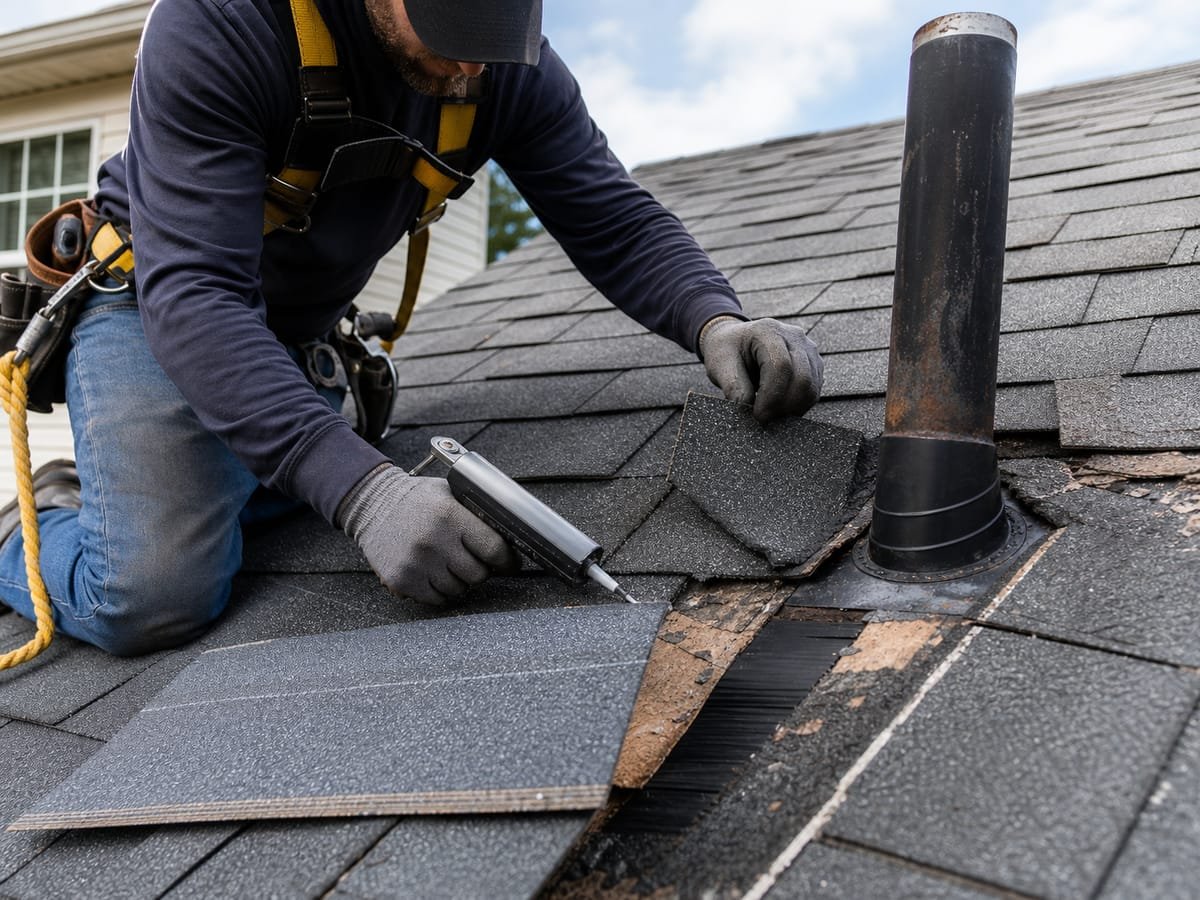
Repair roof leaks, damaged shingles, and worn flashing before small problems turn into costly structural damage.
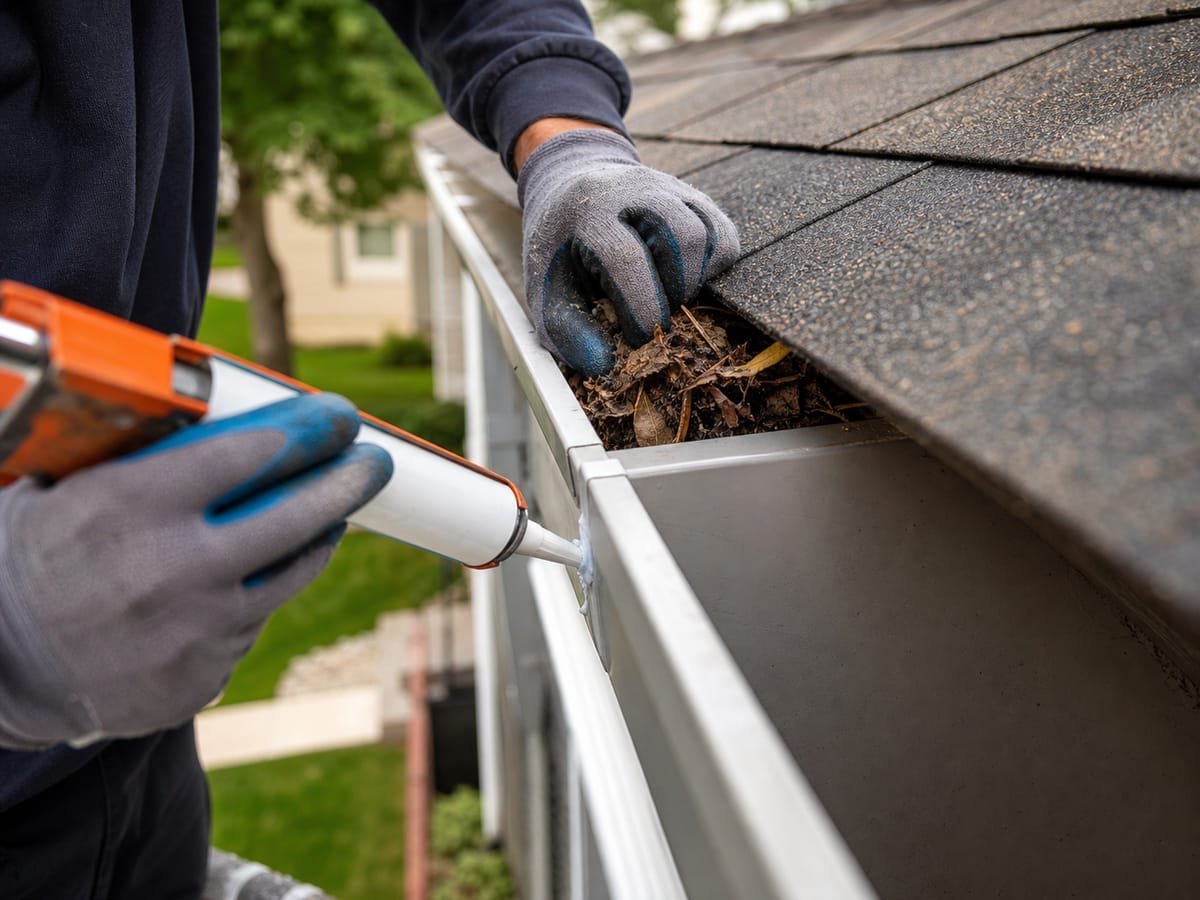
Clear clogs and repair leaks, sags, and loose sections so your gutters protect your roof, siding, and foundation.
Independent reading on questions this offer doesn't answer on its own.
No sign-up needed. No calls until you decide. Check availability, compare options, and proceed only when you're ready.