Sewage Cleanup
Safe removal, decontamination, and restoration after sewage backups — handling a serious biohazard the right way.
Storm surge, rising water, and flash flooding bring contamination and scale that demand specialized cleanup, drying, and rebuilding.
Floodwater from outside your home carries contamination that ordinary water damage doesn't, which changes what safe cleanup actually requires. This guide explains what specialized flood restoration involves and why speed and containment matter.
Flooding is water damage at its most serious. When water comes from outside — storm surge, an overflowing river, or flash flooding — it arrives in volume and it arrives contaminated, carrying soil, sewage, and debris that make cleanup a health matter as much as a structural one. Flood damage restoration handles that reality with the right safety precautions, powerful drying, and careful rebuilding, while helping households navigate the distinct insurance rules that flooding involves. Because standard homeowners policies typically exclude flood damage, understanding your specific coverage — and acting quickly once it's safe to do so — has a real effect on both the cleanup and the claims process.
These overlap because water, mold, and contamination often show up together — but each has a different cause and cleanup protocol.
The source is a burst pipe, appliance failure, or other clean-water leak inside the home.
The water came from outside — storm surge, rising groundwater, or a natural flood event — which usually has different insurance implications (flood insurance vs. standard homeowners).
The problem is visible or suspected mold growth, whether or not you know the original water source.
The water is contaminated — sewage backup or Category 3 water — which requires different safety protocols than a clean-water leak.
You are trying to prevent water intrusion before it happens, not clean up after an event.
You are sealing and conditioning the crawl space itself, usually to control moisture and air quality, rather than responding to a specific leak or flood.
The real-world benefits of moving forward.
Hurricanes and coastal storms drive large volumes of contaminated water into homes.
Overflowing waterways and sudden downpours can inundate homes with little warning.
Homes in flood zones face recurring risk and benefit from experienced, contamination-aware recovery.
Those with flood coverage need documented, professional restoration to support their claim.
Below-grade spaces are especially vulnerable to flood intrusion and need contamination-aware cleanup.
Flood recovery often involves documentation for federal or private flood coverage, which professional restoration supports.
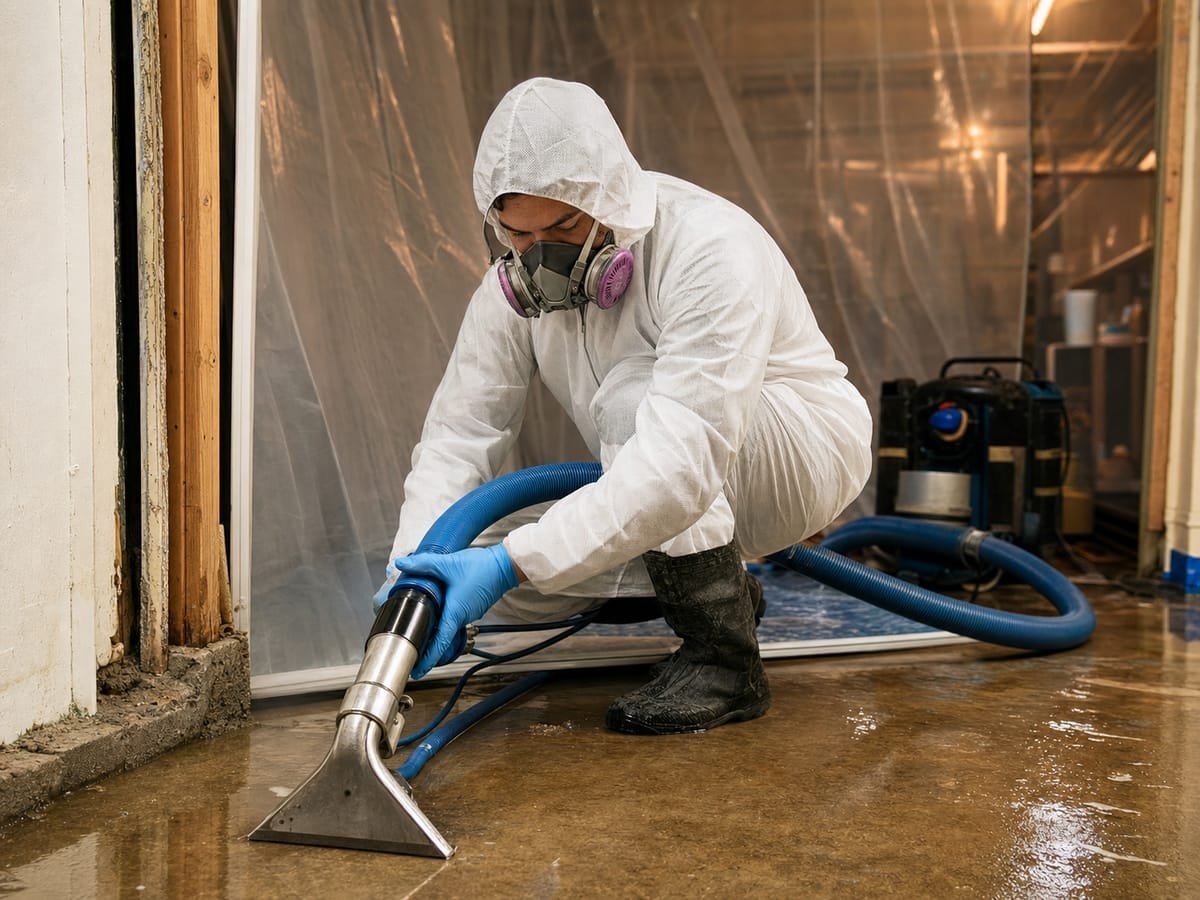
Floodwater is treated as contaminated, with proper safety measures and sanitizing to protect occupants and workers.
Flood volumes require industrial extraction and pumping well beyond what ordinary water events need.
Porous materials soaked by contaminated floodwater — like drywall, insulation, and carpet — are removed rather than dried.
Powerful drying, dehumidification, and antimicrobial treatment address moisture and contamination together.
A clear look at the typical steps involved, from start to finish.
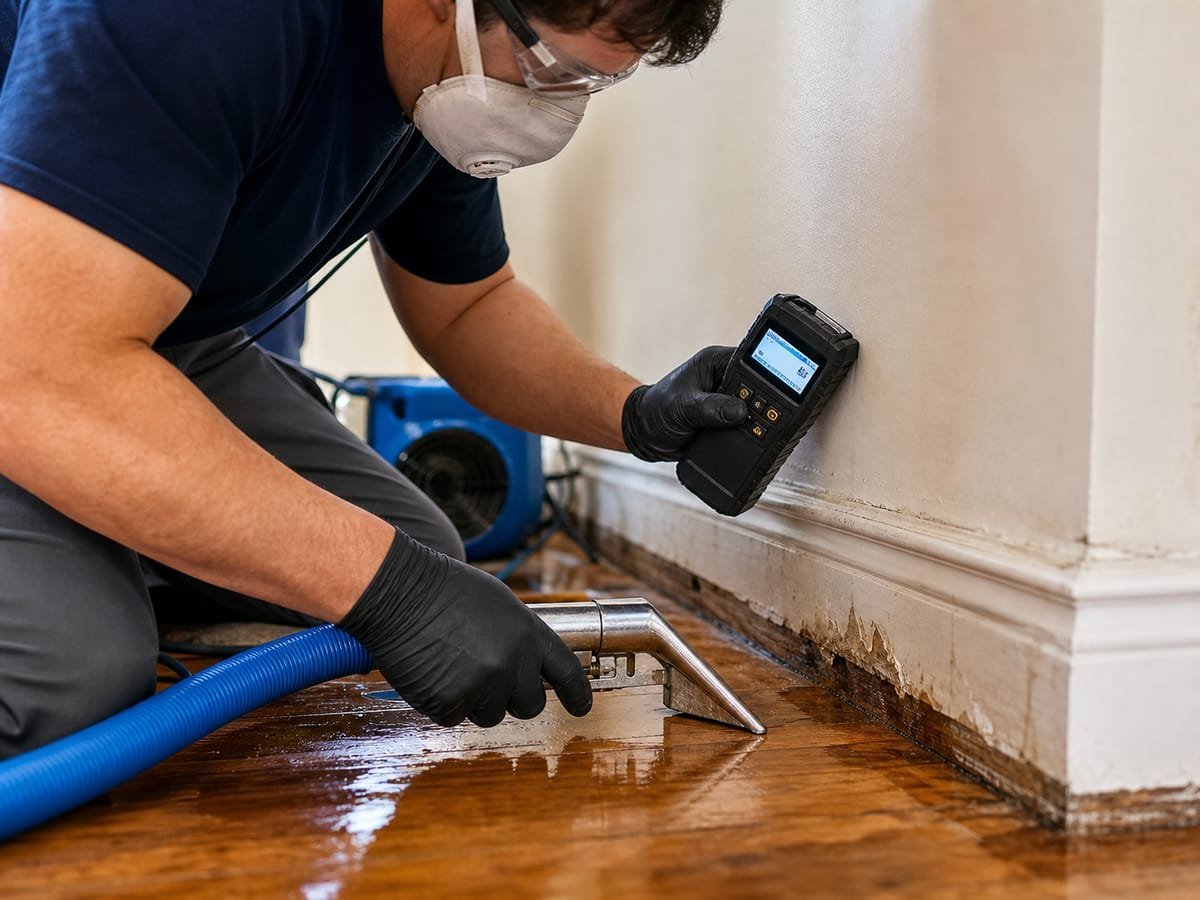
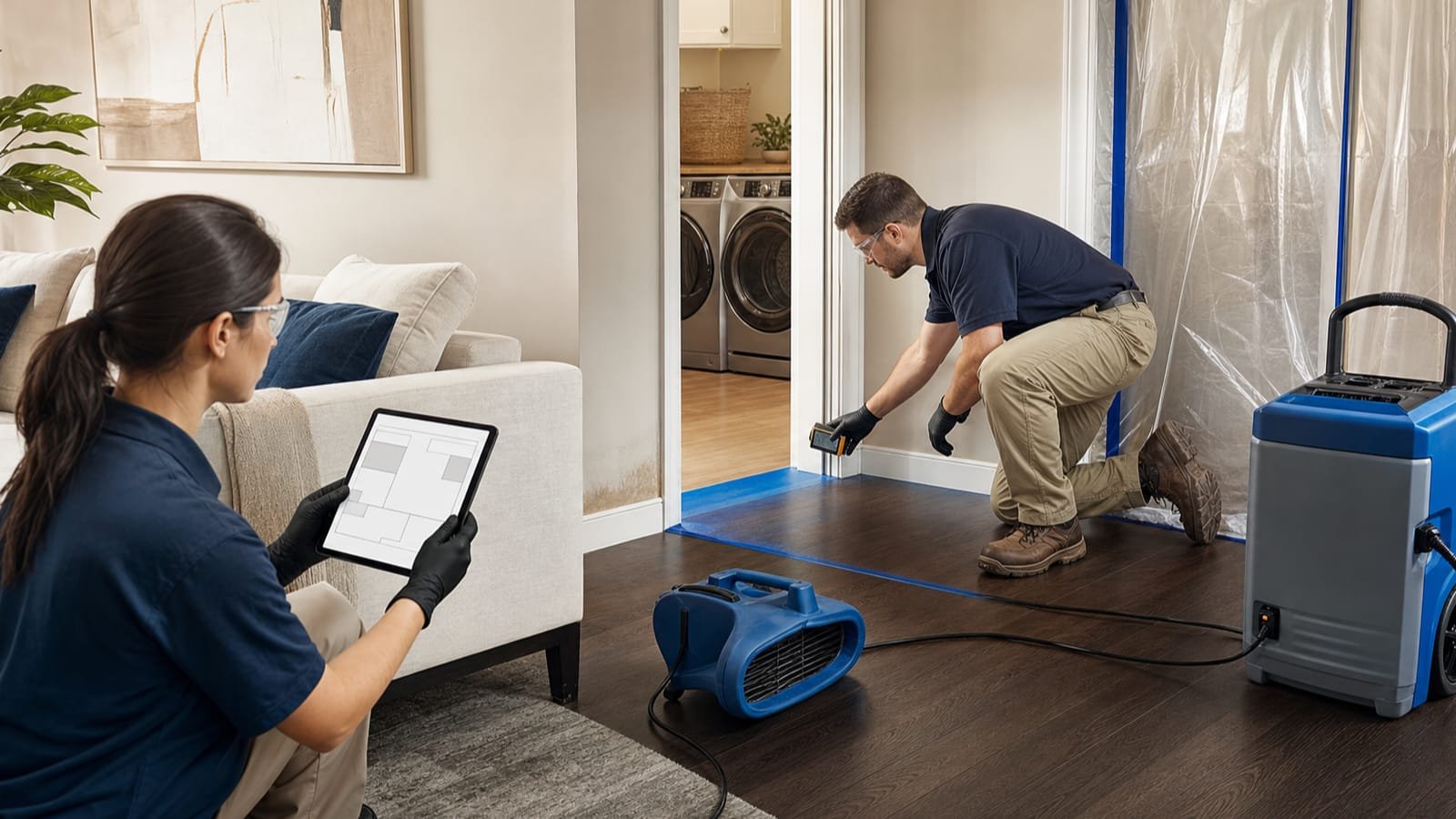
The property is evaluated for structural, electrical, and contamination hazards before cleanup begins.
High-capacity equipment removes floodwater, scaled to the volume a flood leaves behind.
Contaminated debris and unsalvageable porous materials are removed to eliminate hazards.
Industrial drying and antimicrobial treatment address moisture and contamination together.
Once the structure is dry and clean, affected areas are rebuilt to a safe, restored condition.
Important points to keep in mind as you explore this offer.
Standard homeowners insurance usually excludes flooding — separate flood coverage is typically required.
Treat floodwater as contaminated and prioritize safety over speed.
Don't re-enter a flooded home until it's professionally assessed.
Many porous materials soaked by floodwater must be removed, not dried.
Mold risk is high after floods — prompt drying and sanitizing are essential.
Follow local authority guidance on when an area is safe.
FEMA and Ready.gov outline a general sequence for flood cleanup. Always confirm it's safe to enter before starting.
This tool is meant to help you organize your own thinking and the questions you ask a provider — it isn't personalized financial, legal, medical, or contracting advice, and it doesn't collect or store anything you enter.
These three restoration categories are often confused, but the source of the water changes what's involved — and what's typically covered by insurance.
Best for: Water from an external source — storm surge, overflowing rivers, or heavy rain intrusion — often affecting a wide area.
Best for: Water from an internal source — a burst pipe, appliance failure, or roof leak — usually localized.
Best for: Backups or overflows involving contaminated wastewater, regardless of the source.
This comparison describes general, commonly available options — not every provider offers every option, and actual terms, pricing, and availability depend on the specific provider and your circumstances.
Flooding is a different animal from ordinary water damage. When a pipe bursts inside your home, you're dealing with clean water and a contained source. When water comes from outside — a hurricane's surge, a river breaching its banks, a flash flood after a downpour — you're facing something larger and more dangerous: water in overwhelming volume, carrying contamination from everything it touched on its way in. Flood damage restoration is built for that reality, combining large-scale extraction and drying with the safety precautions that contaminated water demands and the rebuilding needed to make a home livable again.
The single most important thing to understand about flooding is that floodwater is contaminated. As it travels across land, streets, and yards, it collects soil, sewage, agricultural runoff, chemicals, and debris, placing it in the most hazardous category of water. This isn't the clean water of a supply-line leak — it's water that poses genuine health risks on contact. That contamination reshapes the entire recovery. Cleanup requires protective measures and sanitizing to keep occupants and workers safe. Many materials that soaked up floodwater can't simply be dried and kept; they have to be removed. And re-entering a flooded home isn't something to rush, because the water may have left contamination, structural weakness, and electrical hazards behind.
With ordinary water damage, speed is the overriding priority. Flooding adds a critical qualifier: safety comes first. Floods can undermine structure, submerge and compromise electrical systems, and leave contaminated water and materials throughout a home. Before anyone spends time inside sorting belongings or attempting cleanup, the property needs to be assessed for these hazards, and any guidance from local authorities about when an area is safe should be followed. Only once safety is established does the rapid-response logic take over, because prompt cleanup still matters enormously for limiting mold and further damage. It's a balance: act quickly, but not before it's safe to do so.
One of the hardest parts of flood recovery is accepting that some things can't be salvaged. The rule of thumb turns on the material and its exposure. Non-porous surfaces — sealed floors, metal, glass — can often be cleaned and thoroughly sanitized. But porous materials that soaked up contaminated floodwater, such as drywall, insulation, carpet, and padding, generally must be removed rather than dried, because the contamination penetrates them and can't be reliably cleaned out. Removing these materials isn't waste; it's what prevents lingering contamination and the mold that would otherwise follow. A professional assessment sorts the salvageable from the unsalvageable, sparing you both false hope and unnecessary loss.
Flood recovery follows a sequence shaped by the twin challenges of volume and contamination. It starts with a safety assessment of structural, electrical, and contamination hazards. Then comes high-capacity water extraction and pumping, scaled to the large volumes floods leave. Next is the muck-out — removing contaminated debris and the soaked porous materials that can't be saved. Industrial drying and sanitizing follow, using powerful equipment and antimicrobial treatment to address moisture and contamination together. Finally, once the structure is genuinely dry and clean, rebuilding returns the affected areas to a safe, restored condition. Each step reflects that a flood is both a cleanup and a decontamination.
Here is the fact that surprises more flood victims than any other: standard homeowners insurance typically does not cover flooding from outside sources. Protection against rising water almost always comes from a dedicated flood policy, purchased through FEMA's National Flood Insurance Program (NFIP) or a growing number of private carriers — and many families first learn they were never covered while standing in ankle-deep water. If you live in or near a flood-prone area, understanding your flood coverage before a flood is one of the most important protective steps you can take. When a flood does occur and you do have coverage, thorough documentation of the damage supports your claim, and restoration providers experienced with flood insurance can help keep that documentation complete.
Because floods leave behind large amounts of moisture and contamination, the risk of mold is high — higher than with a quickly addressed clean-water event. Prompt, thorough drying and sanitizing are the best defense, which is another reason professional response matters. Even so, mold remediation is sometimes a necessary part of flood recovery, particularly when water sat for a period before cleanup could safely begin. Anticipating this as part of the process, rather than being surprised by it, helps set realistic expectations for a full recovery.
Flood losses price differently from pipe breaks because contamination drives demolition: porous materials that touched floodwater — drywall to above the waterline, insulation, carpet and pad, particleboard — are removed rather than dried, so even shallow flooding produces significant tear-out. Depth, dwell time, and square footage set the scale; a few inches for a few hours is a very different project from feet of water for days. Timelines run in phases: extraction and gutting in the first days, drying and decontamination over one to two weeks, then rebuilding over weeks to months depending on scope and — after regional floods — on how stretched local contractors and materials are. After widespread events, beware the surge of unlicensed crews that follows the water; verify licensing and insurance no matter how long the wait lists are.
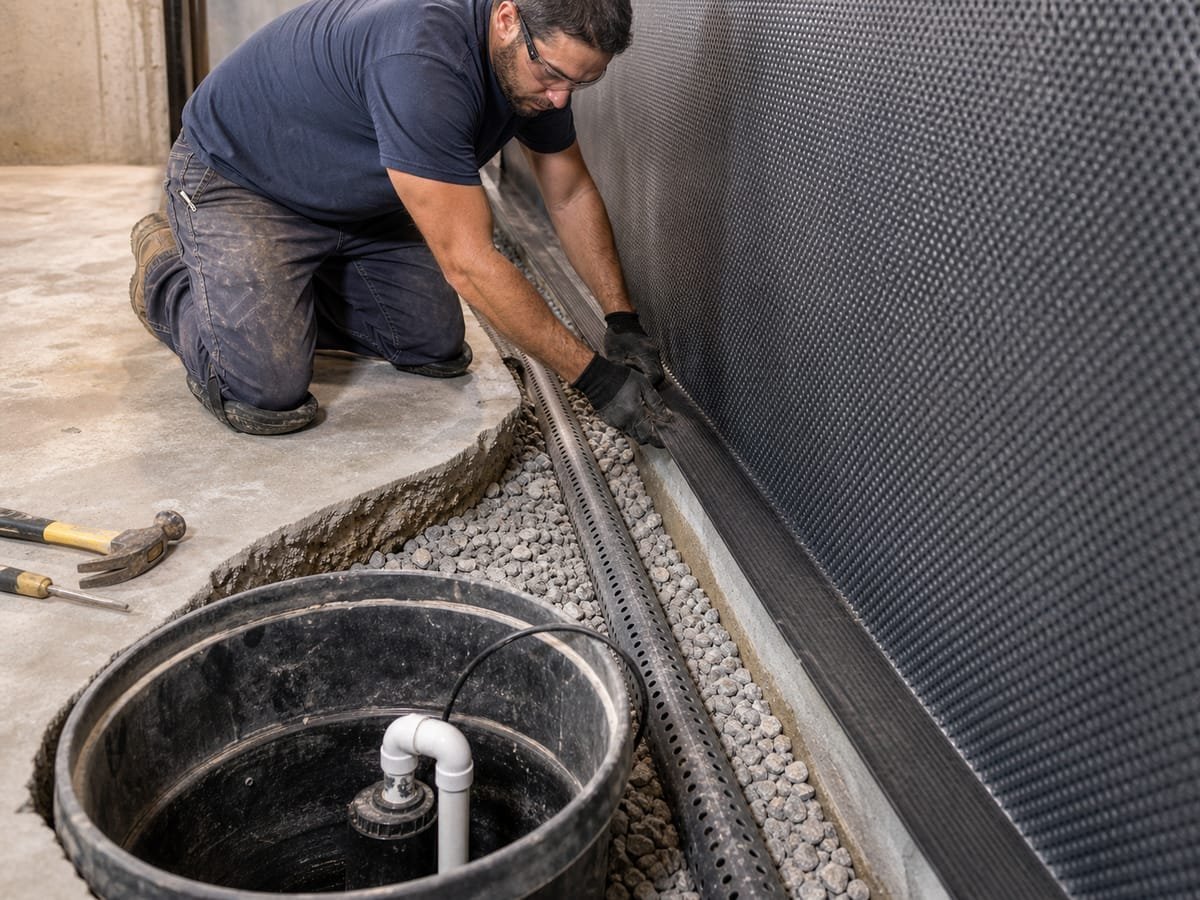
You can't move the river, but you can change what it costs you. Practical mitigation that pays: extending downspouts and grading soil away from the foundation, installing a sump pump with battery backup and a check valve, adding backflow prevention on sewer lines (the flood-adjacent disaster that sewage cleanup handles), elevating utilities like the water heater and furnace above known water levels in flood-prone basements, and choosing flood-resistant materials — tile, concrete, closed-cell insulation — when you rebuild below grade. Chronic seepage rather than catastrophic flooding points instead toward basement waterproofing. And revisit your coverage while the lesson is fresh: flood policies typically carry a waiting period before they take effect, so the time to buy one is precisely when you don't need it.
Recovering from a flood is a demanding journey, but a methodical, safety-first restoration brings a home back from even serious inundation. The essentials are consistent: put safety before speed, treat the water as the hazard it is, remove what can't be saved, dry and sanitize thoroughly, and rebuild properly. Connecting with restoration professionals who bring contamination expertise, the capacity to handle flood-scale volume, and experience with the distinct flood insurance process is the surest path from a flooded house back to a safe, restored home.
Facts and figures in this guide that come from an outside authority are backed by the sources below. Pricing, program rules, and eligibility details change — always confirm current specifics with the source directly or a licensed professional before acting.
Still have questions? The FAQ below covers the most common ones. Or use the button to check availability — there's no cost and no obligation.
A qualified provider should treat floodwater as the health hazard it is, with documented protocols and proper protective equipment — ask before you hire.
Flood recovery requires capacity that ordinary cleanup lacks — reputable teams bring it.
Thorough documentation of the loss supports the distinct flood insurance process — confirm a provider will document their work as they go.
Generally no. Standard homeowners policies typically exclude flooding from external sources, and coverage usually requires a separate flood insurance policy, often through the National Flood Insurance Program or private insurers. Many homeowners discover this distinction only after a flood, so it's important to know your coverage before one occurs.
Floodwater from outside picks up soil, sewage, chemicals, and debris as it travels, placing it in the most hazardous water category. That contamination is why flood cleanup requires safety precautions, sanitizing, and the removal of many soaked porous materials rather than simply drying them.
It depends on the material and exposure. Non-porous surfaces can often be cleaned and sanitized, but porous materials like drywall, insulation, and carpet soaked by contaminated floodwater usually must be removed to prevent lingering contamination and mold. A professional assessment determines what's salvageable.
Flooding brings greater volume and, critically, contamination from outside sources, so it demands more extensive extraction, stricter safety measures, more material removal, and often larger-scale rebuilding. A clean-water pipe leak and an external flood are very different jobs.
As soon as it's safe to enter. Prompt action limits mold growth and further damage, but safety comes first — floods can leave structural, electrical, and contamination hazards. Wait for authorities to declare an area safe, then begin professional cleanup quickly.
The risk is high because floods leave large amounts of moisture and contamination. Prompt, thorough drying and sanitizing greatly reduce it, but mold remediation is sometimes needed as part of flood recovery, especially if water sat before cleanup could begin.
Not until it's assessed. Floods can compromise structure, hide electrical hazards, and leave contaminated water and materials. Have professionals evaluate the property before spending time inside or handling flood-soaked belongings, and follow any guidance from local authorities.
No sign-up needed. No calls until you decide. Check availability, compare options, and proceed only when you're ready.