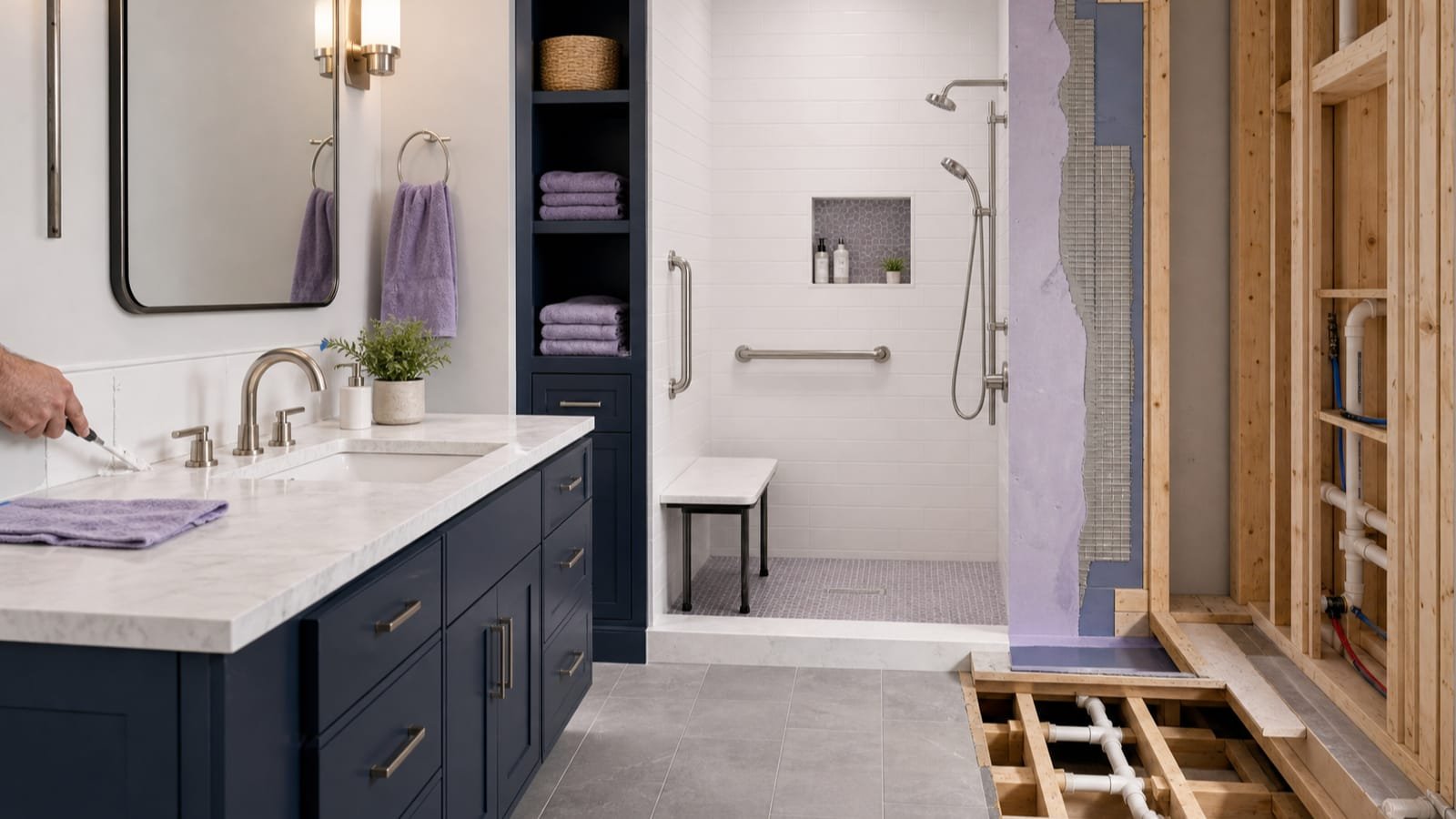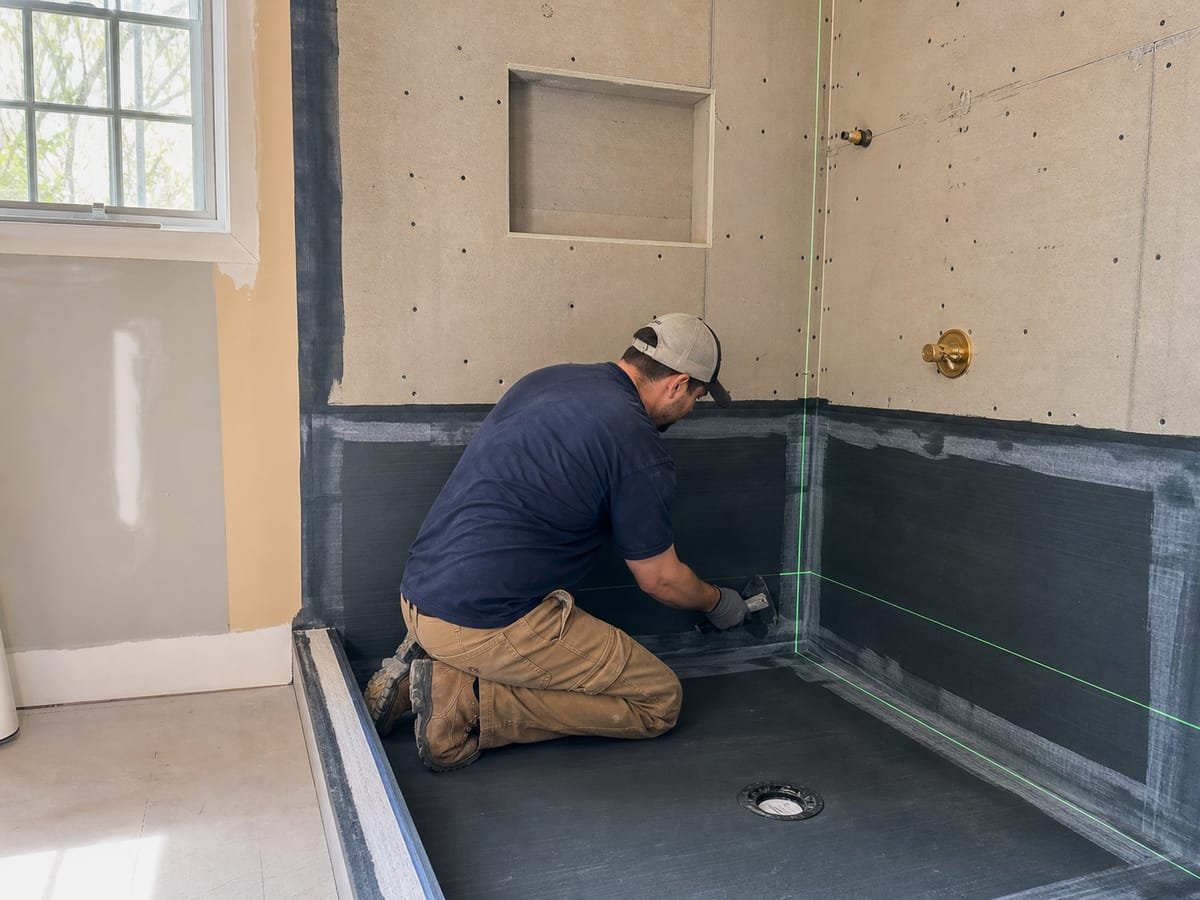

Bathroom Reconstruction
Rebuild a damaged or failing bathroom down to the structure — subfloor, waterproofing, plumbing, and finishes done right.
A structurally sound, fully waterproofed bathroom.
Plan Bathroom Reconstruction

Leaks, running toilets, failing grout, and drainage issues — connect with experienced pros who fix the cause, not just the symptom.
A running toilet or a slow leak under the vanity rarely fixes itself — left alone, it can spread into walls and subfloors. This guide helps you spot warning signs early and find pros who address the real cause.
A bathroom problem rarely stays small. A slow leak under the vanity, a toilet that runs all night, or grout that's crumbling along the tub can quietly feed moisture into your walls and subfloor until a modest fix becomes a costly rebuild. Prompt, professional bathroom repair stops that spiral — resolving the immediate issue and, just as importantly, tracing it to its true source so it doesn't come back. Catching and fixing these issues early is almost always far less expensive than waiting until the damage has spread further into the surrounding structure.
The right project depends on why you're starting one — an isolated problem, damage that needs rebuilding, or a voluntary upgrade.
One thing is broken or failing — a leak, a fixture, a crack — and the rest of the room is otherwise fine.
The bathroom needs to be rebuilt because of major damage — water, fire, mold, or a structural failure.
Everything works, but you want a new layout, finishes, or fixtures by choice, not necessity.
The real-world benefits of moving forward.
Any drip, stain, or damp spot warrants fast attention before moisture spreads into the structure.
A toilet that runs, rocks, or flushes poorly wastes water and can signal a failing seal or supply issue.
Grout, caulk, and fixtures wear out over years of daily use and need periodic repair to stay watertight.
Quick, dependable repairs protect rental units from water damage and keep tenants comfortable.
New owners inheriting a bathroom's existing quirks benefit from a professional assessment of what actually needs fixing.
When a full remodel isn't in the budget, targeted repair restores function without the cost of a renovation.
A skilled repair traces where water is actually coming from rather than sealing over the spot where it appears.
Faucets, valves, toilet mechanisms, supply lines, and drains are repaired or replaced to stop leaks and waste.
Failed sealant and cracked tile are the most common paths for water to reach your walls — and among the most fixable.
Slow tubs, sinks, and showers are cleared and the underlying cause addressed to prevent quick recurrence.
A clear look at the typical steps involved, from start to finish.
The tech inspects fixtures, tile, and accessible plumbing, using moisture readings where needed to find the true source.
You get a plain-language description of the cause and an estimate before any work begins.
The fix addresses the source — replacing parts, resealing, clearing drains, or repairing damaged surfaces.
Surrounding areas are checked for hidden damage so nothing is sealed up over an ongoing problem.
The repair is tested under real conditions to confirm the leak or issue is fully resolved before completion.
Important points to keep in mind as you explore this offer.
A visible symptom often has a hidden cause — insist on diagnosis, not just a surface patch.
Delaying a leak repair almost always increases the eventual cost and damage.
Persistent mustiness or soft flooring may mean the problem has already reached the structure.
Re-caulking is a maintenance step, not a cure for failed waterproofing underneath.
Ask whether the repair carries any workmanship guarantee.
If damage is extensive, a targeted reconstruction may be more durable than repeated repairs.
Some bathroom issues are simple fixes; others point to a bigger problem behind the wall. This checklist helps you sort which is which before you decide who to call.
This tool is meant to help you organize your own thinking and the questions you ask a provider — it isn't personalized financial, legal, medical, or contracting advice, and it doesn't collect or store anything you enter.
These three bathroom services solve different problems. Use this to confirm you're looking at the right one before requesting a quote.
Best for: A specific issue — a leak, a cracked tile, a failing fixture — in an otherwise sound bathroom.
Best for: Rebuilding after water damage, mold, or structural failure — restoring the room, not redesigning it.
Best for: Changing the look, layout, or fixtures by choice — not because something is broken.
This comparison describes general, commonly available options — not every provider offers every option, and actual terms, pricing, and availability depend on the specific provider and your circumstances.
The bathroom is the hardest-working wet room in your house, and it's where small problems have an outsized ability to cause damage. Water is relentless — it finds every failed seal, every worn washer, every hairline crack in the grout, and it goes to work quietly behind surfaces where you can't see it. A dripping faucet is an annoyance. A leak you can't see is a slow-motion structural problem. The goal of a good bathroom repair isn't just to stop the drip you noticed; it's to find and fix the reason it was happening.
This guide covers the most common bathroom repairs, how to recognize when a minor issue is hiding a bigger one, and how to make sure the fix actually lasts.
Most bathroom repair calls fall into a handful of categories, and understanding them helps you describe the problem accurately and spot it early.
Here's the trap homeowners fall into: you see water on the floor by the tub, so you re-caulk the tub. The water stops appearing — for a while. But if the real source was water getting past failed grout and soaking the backer board, the caulk only hid it. The damage kept progressing out of sight.
This is why the single most valuable thing a repair professional does is diagnose. Water travels. It shows up at the lowest, weakest point, which is frequently far from where it's actually entering. A stain on the ceiling below a bathroom might come from the toilet seal, the tub drain, or a supply line in the wall — three very different repairs. A moisture meter, a careful inspection, and experience are what separate a durable fix from a cosmetic one.
Some bathroom problems announce themselves; others whisper. Learn to hear the whispers.
Any one of these deserves attention. Several together mean water has likely been active for some time, and the sooner it's addressed, the smaller the repair stays.
Most bathroom issues are genuinely repairs — quick, contained, and affordable when caught early. But there's a threshold. If water has been leaking long enough to rot the subfloor, corrode framing, or spread mold through the wall cavity, sealing the surface won't solve it. At that point the affected area needs to be opened up, dried, and rebuilt properly, which is a reconstruction rather than a repair. An honest professional will tell you when you've crossed that line instead of selling you a patch that won't hold. Catching problems early is precisely what keeps a repair from becoming a reconstruction.
Most single-issue bathroom repairs are same-day work: a toilet rebuild, a new faucet, a re-caulked tub perimeter, or a cleared drain typically takes a pro one to three hours. Jobs get longer when the problem sits behind a surface — replacing a shower valve inside the wall, chasing a hidden supply-line leak, or re-grouting an entire enclosure can run a full day. When moisture has damaged what's underneath, expect a two-visit rhythm: one to open up, dry out, and assess, and another to rebuild and finish. A pro who quotes a firm timeline before opening the wall is guessing; a good one gives you a range and narrows it after the first look.
There's no single price for "a bathroom repair" because the category spans everything from a five-minute flapper swap to opening a wall to fix a hidden pipe. The cost is driven by what's actually wrong, how accessible it is, and whether water has already caused secondary damage that needs addressing. A leaking faucet or a re-caulk is inexpensive. A concealed supply-line leak that has soaked the subfloor is a larger job because the repair includes the damage, not just the cause.
The most reliable way to know your cost is an on-site diagnosis, where the professional can see the real scope rather than guessing from a description. Be cautious of anyone who quotes a firm price for a hidden leak sight unseen.
A good repair ends with verification. After the fix, the professional should test it under realistic conditions — running the fixture, filling and draining the tub, flushing repeatedly — to confirm the problem is truly gone, not just quiet for the moment. They should also check the surrounding area for any moisture that shouldn't be sealed over. Ask whether the workmanship carries any guarantee; reputable pros stand behind their repairs.
Match the pro to the problem. A licensed plumber is the right call for anything involving supply lines, valves, or drains inside walls; a tile and grout specialist for failing surrounds; a capable handyman for hardware, caulk, and minor fixture swaps. For symptoms that suggest hidden moisture — musty odor, soft floor, stains on the ceiling below — favor someone who carries a moisture meter and talks about finding the source before quoting the fix. Ask how the repair will be verified, whether workmanship is guaranteed, and what happens to the price if opening the wall reveals more damage. Clear answers to those three questions separate professionals from patch artists.
The classic error is sealing over a symptom — fresh caulk across a gap that's leaking from behind, paint over a water stain that's still wet inside. Others include running the exhaust fan too little (moisture is the enemy of every bathroom surface), ignoring a running toilet because it seems harmless, using harsh drain chemicals that damage older pipes, skipping a check of GFCI protection on outlets near sinks and tubs, and waiting until a slow leak becomes visible damage. If moisture has already spread through walls or subfloor, patching is false economy — that's when a targeted bathroom reconstruction of the affected area becomes the durable fix, and any active mold should be handled through proper mold remediation rather than sprayed and painted over. Widespread water damage from a burst line or overflow calls for professional water damage restoration before any cosmetic repair begins.
Facts and figures in this guide that come from an outside authority are backed by the sources below. Pricing, program rules, and eligibility details change — always confirm current specifics with the source directly or a licensed professional before acting.
Still have questions? The FAQ below covers the most common ones. Or use the button to check availability — there's no cost and no obligation.
Listed pros diagnose across plumbing, tile, and finishes rather than treating each issue in isolation.
A good repair tech tells you when a simple fix will do — and when a problem points to something larger.
Plumbing and water-related repairs call for licensed, insured pros — confirm both before work begins.
Bathroom leaks often start out of sight — behind tile, under the tub, at a toilet's wax ring, or inside the wall at a supply line. Signs include stains on the ceiling below, a musty smell, warped flooring, or a spike in your water bill. A pro can locate the source without tearing out the whole room.
It depends entirely on the issue. Replacing a faucet or re-caulking a tub is inexpensive; repairing a hidden pipe leak or water-damaged subfloor costs more. Because a small visible symptom can have a larger cause, an on-site diagnosis gives you the most accurate figure.
Fresh caulk helps when the existing bead has simply aged and pulled away. But if water has already been getting behind the surface, or the grout and backer board are failing, caulk alone won't fix it. A pro checks whether the waterproofing underneath is still sound.
Yes. A constantly running toilet can waste hundreds of gallons of water and inflate your bill. It's usually caused by a worn flapper, fill valve, or float — inexpensive parts that are quick to replace once diagnosed.
Look for soft or discolored drywall, peeling paint, a persistent musty odor, warped baseboards, or a spongy floor. Any of these suggest moisture has been present. A professional can confirm with a moisture meter before deciding how far the repair needs to go.
If water has rotted the subfloor, compromised framing, or spread mold through the walls, patching the surface won't solve it. At that point a full reconstruction of the affected area is the durable fix — which is a different scope than a simple repair.
As soon as possible. Water damage compounds daily, feeding mold and weakening structure. Even a slow leak left for weeks can turn an inexpensive repair into a major one, so prompt attention almost always saves money.
Continue your research with the most closely related offers, or browse every Home Services offer.
Rebuild a damaged or failing bathroom down to the structure — subfloor, waterproofing, plumbing, and finishes done right.
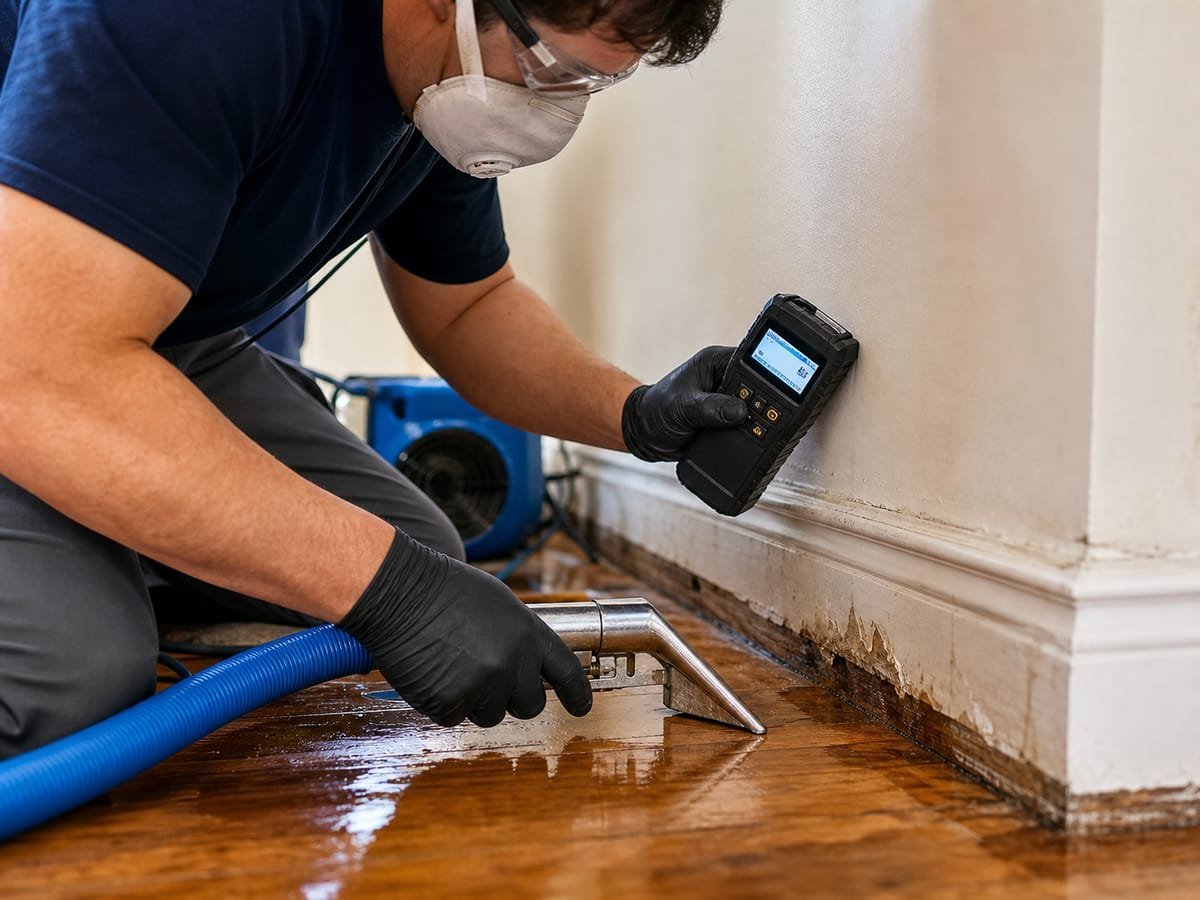
Rapid water extraction, drying, and restoration after leaks, burst pipes, or storm intrusion — before mold and structural damage set in.
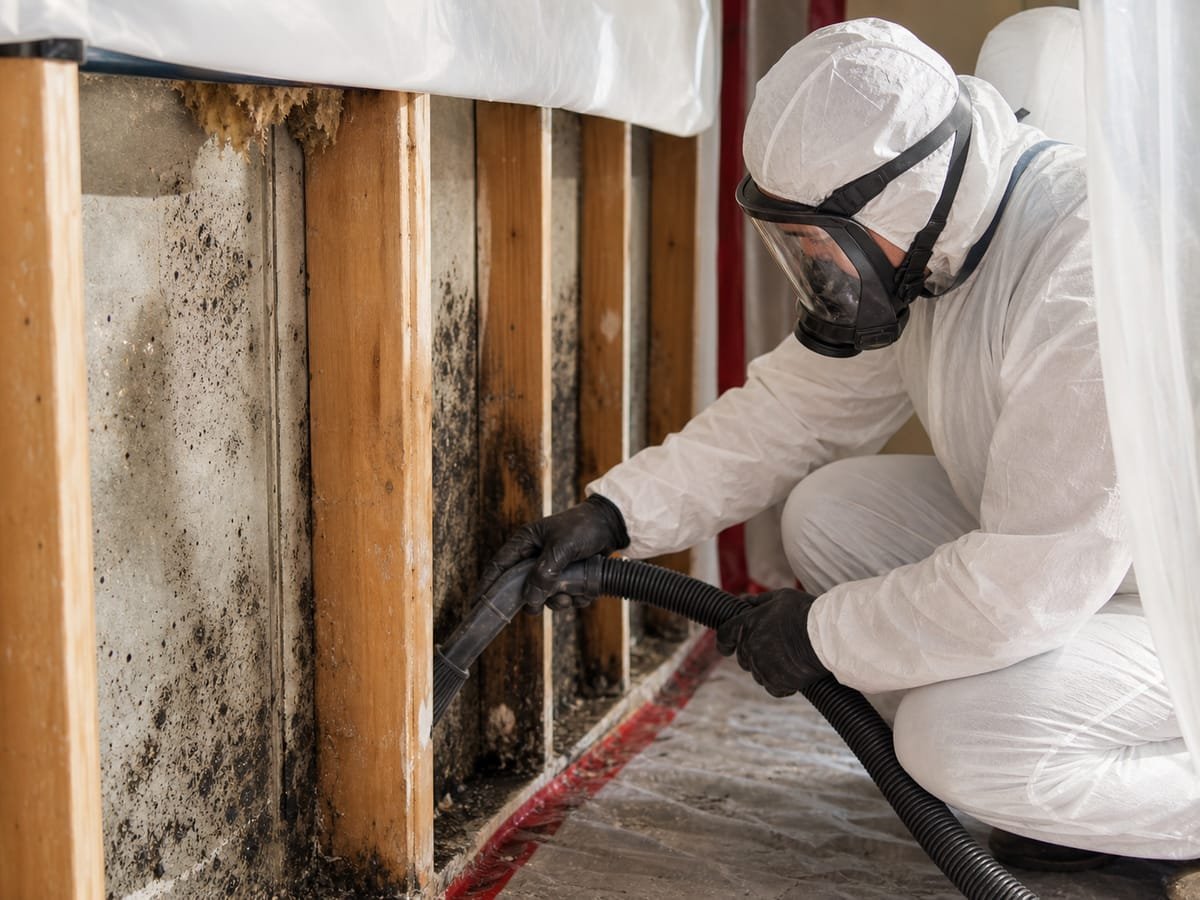
Safely contain, remove, and prevent mold — and correct the moisture source so it doesn't return.
Independent reading on questions this offer doesn't answer on its own.
No sign-up needed. No calls until you decide. Check availability, compare options, and proceed only when you're ready.