
HVAC Repair
Fast, reliable repair for heating and cooling systems — diagnose failures, restore comfort, and avoid unnecessary replacement.
Get comfortable again — fast and reliably.
Compare HVAC Repair Quotes

Seasonal tune-ups keep heating and cooling running efficiently, extend equipment life, and catch small problems before they fail.
Skipping seasonal HVAC maintenance is one of the easiest ways to end up with an unexpected breakdown or a spike in your energy bill. This guide covers what routine tune-ups typically catch and how often they're worth scheduling.
The cheapest HVAC repair is the one you never need — and that's exactly what maintenance delivers. Seasonal tune-ups keep your heating and cooling running at peak efficiency, extend the life of expensive equipment, and catch small issues before they turn into breakdowns at the worst possible moment. Regular maintenance also keeps energy bills in check and, importantly, satisfies the upkeep requirements many manufacturer warranties depend on. It's one of the highest-return habits in home ownership. Sticking to a consistent schedule, rather than calling only when something feels off, is what actually delivers the savings and reliability maintenance is meant to provide.
Heating and cooling needs generally fall into three buckets: something is broken and needs fixing, the whole system needs replacing, or you are staying ahead of both with routine service.
Your current system has a specific problem — it is not heating, cooling, or running correctly — and needs a fix, not a replacement.
You need a new system entirely — replacing an aging or failed unit, or installing one where there was not one before.
Nothing is currently broken — you want routine service to keep the system running efficiently and catch small issues early.
The real-world benefits of moving forward.
Any home with heating and cooling benefits from routine maintenance to protect comfort, efficiency, and equipment.
Maintaining a new system protects its efficiency, lifespan, and — often required — warranty coverage.
Clean, tuned equipment uses less energy, making maintenance a direct lever on monthly bills.
Preventive service reduces emergency calls and tenant disruption while protecting the equipment.
Getting back on a maintenance schedule after a gap still meaningfully improves reliability going forward.
Systems working hardest in very hot or very cold regions benefit most from regular tune-ups.
Cooling is serviced before summer and heating before winter, so each system is ready before you rely on it.
Coils, filters, blowers, and drains are cleaned and components inspected to keep efficiency high and airflow strong.
Refrigerant, electrical connections, and — on gas systems — combustion safety are verified for reliable, safe operation.
Worn parts and developing faults are caught while they're minor, preventing inconvenient, costly failures.
A clear look at the typical steps involved, from start to finish.
Cooling is serviced before summer and heating before winter, so problems surface before you depend on the system.
Coils, filters, blowers, and drains are cleaned, and components inspected for wear and airflow issues.
Refrigerant, electrical, and — on gas systems — combustion safety are checked for efficient, safe operation.
You receive a clear summary of the system's condition and any items that need attention.
Records are kept to support warranty requirements and track the system over time.
Important points to keep in mind as you explore this offer.
Service cooling before summer and heating before winter — not during a failure.
Changing filters regularly is the simplest, highest-impact thing you can do yourself.
Many warranties require documented maintenance — keep the records.
Maintenance lowers bills and defers the large cost of premature replacement.
Leave refrigerant, electrical, and gas work to qualified technicians.
A maintenance habit catches many faults that otherwise become emergency repairs.
Routine maintenance helps a system run efficiently and can catch small issues before they become expensive repairs. This is general guidance, not a substitute for your manufacturer's recommended service schedule.
This tool is meant to help you organize your own thinking and the questions you ask a provider — it isn't personalized financial, legal, medical, or contracting advice, and it doesn't collect or store anything you enter.
These three HVAC services solve different problems. Use this to confirm you're looking at the right one.
Best for: A working system you want to keep running efficiently and catch small issues early.
Best for: A system that's stopped working correctly right now.
Best for: A system that's beyond repair or needs replacing with something more efficient.
This comparison describes general, commonly available options — not every provider offers every option, and actual terms, pricing, and availability depend on the specific provider and your circumstances.
Heating and cooling equipment is among the most expensive machinery in your home, and it works harder than almost anything else you own — running for hours a day, through brutal summer heat and deep winter cold. Like any hardworking machine, it lasts longer, runs more efficiently, and breaks down far less often when it's maintained. HVAC maintenance isn't glamorous, but it's one of the highest-return habits in home ownership: modest, predictable spending now that prevents expensive, inconvenient failures later while quietly lowering your energy bills the whole time.
Think about when HVAC systems tend to fail: on the hottest day of summer or the coldest night of winter, when they're pushed hardest. Those failures rarely come out of nowhere. They're usually the end stage of a problem that had been developing for months — a refrigerant level slowly dropping, coils gradually caking with dirt, a part quietly wearing out, a filter steadily clogging. Maintenance catches these issues while they're small and cheap to address, before they cascade into the kind of breakdown that leaves your family sweltering or shivering and waiting for an emergency visit during peak demand. In that sense, maintenance buys you both money and peace of mind.
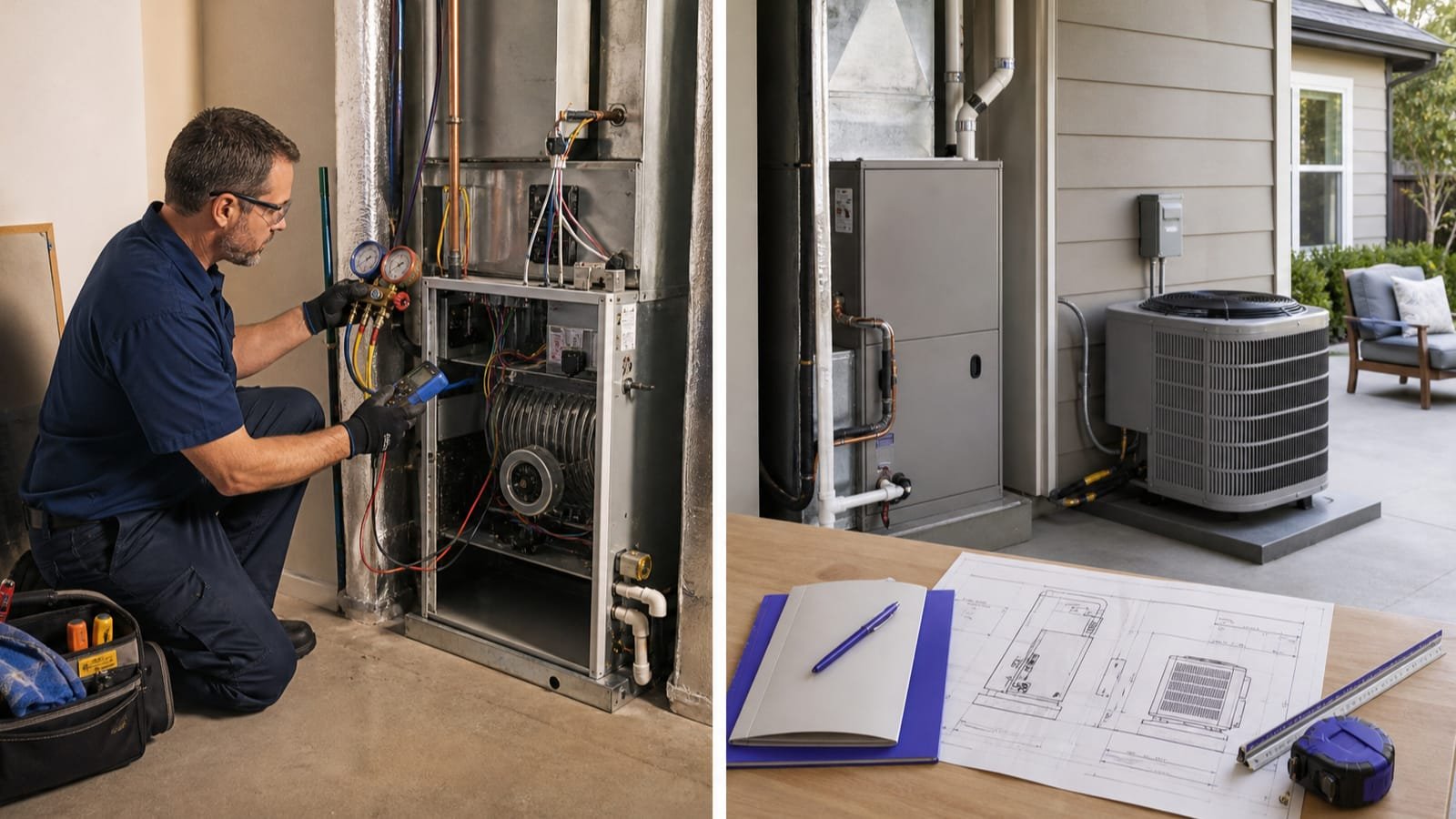
Not all "maintenance" is equal, and it's worth knowing what a thorough seasonal tune-up actually covers so you can tell genuine service from a quick glance. A proper visit typically includes:
A quality technician finishes by giving you a clear report of the system's condition and flagging anything that needs attention.
The sensible cadence for maintenance follows the seasons: service your cooling in spring, before the summer demand arrives, and your heating in fall, before winter sets in. That timing means any problem surfaces while the weather is still mild and you're not desperate — not in the middle of the first heat wave or cold snap. Systems that both heat and cool, like heat pumps, benefit from attention ahead of each demanding season. The whole point is to be ready before you need to rely on the equipment, rather than discovering a fault at the worst moment.
Maintenance is a partnership, and there's real value in the simple things a homeowner can handle. The most important is changing or cleaning the air filter regularly — often every one to three months depending on the filter and your household, and more frequently with pets. A clogged filter is one of the most common causes of poor performance and strain, and staying on top of it is the single highest-impact thing you can do between professional visits. Beyond that, keep the outdoor unit clear of leaves, grass clippings, and vegetation, and make sure vents inside aren't blocked by furniture. Leave the deeper work — refrigerant, electrical, and gas components — to qualified technicians, where mistakes can be costly or unsafe.
Maintenance saves money in two distinct ways, and both are real. First, efficiency: a clean, tuned system uses less energy to deliver the same comfort, so your monthly bills run lower than they would with neglected, dirt-choked equipment. Second, longevity and avoided repairs: preventive service heads off breakdowns and extends the usable life of the equipment, deferring the large expense of an early replacement. Add those together, and for most homeowners maintenance more than pays for itself over the life of the system — before you even count the value of not being stranded without heat or cooling in extreme weather.
Here's a detail many homeowners miss until it costs them: manufacturer warranties frequently require documented routine maintenance. If a major component fails and you file a warranty claim, the manufacturer may ask for proof the system was properly maintained — and neglect can jeopardize coverage on an otherwise valid claim. Keeping records of your seasonal service isn't just good practice; it protects the warranty that stands behind your equipment. This is especially worth remembering for a newly installed system, where protecting that coverage matters most.
A one-off professional tune-up is one of the cheaper service visits in home ownership, and most companies offer annual maintenance plans bundling a spring cooling visit and a fall heating visit, often with perks like priority scheduling and repair discounts. Whether a plan beats paying per visit depends on the details: compare the plan price against two à-la-carte tune-ups, then read what the visit actually includes — a genuine tune-up measures refrigerant charge, tests capacitors and electrical connections, cleans coils and burners, and verifies airflow, while a "23-point inspection" that's really a filter change and a glance isn't worth scheduling. Ask for the checklist in writing. The economics tilt further toward plans for older systems, heat pumps (which work year-round), and homes where a mid-season failure would be more than an inconvenience.
A good tune-up sometimes ends with news you'd rather not hear: a weakening capacitor, a compressor drawing high amps, a heat exchanger showing its age. That's the system working as intended — the entire point of maintenance is converting surprise failures into scheduled decisions. Small findings are best addressed on the spot as targeted repairs while the technician is already there. When findings start clustering on an old, inefficient unit, ask for a frank repair-versus-replace assessment; the best technicians will show you measured data rather than fear, and planning a replacement installation on your schedule — in shoulder season, with time to compare bids — beats buying whatever is available during a July heat wave.
The homeowners who get the most from their HVAC systems — the fewest breakdowns, the lowest bills, the longest equipment life — are simply the ones who treat maintenance as routine rather than an afterthought. Scheduling seasonal service with technicians who perform genuine, thorough tune-ups and document their work is a small, predictable commitment that pays back for years. If it's been a while since your system was professionally serviced, getting on a maintenance rhythm now is the easiest way to protect your comfort, your budget, and the expensive equipment keeping your home livable.
Facts and figures in this guide that come from an outside authority are backed by the sources below. Pricing, program rules, and eligibility details change — always confirm current specifics with the source directly or a licensed professional before acting.
Still have questions? The FAQ below covers the most common ones. Or use the button to check availability — there's no cost and no obligation.
Ask for the service checklist in writing — a genuine multi-point tune-up covers electrical, refrigerant, and gas components.
A trustworthy tech reports what needs attention and what doesn't, without upselling unnecessary work.
Quality maintenance comes with records you can use to support warranty requirements.
A common recommendation is twice a year — cooling serviced in spring before summer, and heating in fall before winter. Systems that both heat and cool, like heat pumps, benefit from service ahead of each demanding season. Older systems may warrant closer attention.
A thorough tune-up typically covers cleaning coils and components, replacing or cleaning filters, checking refrigerant, inspecting and tightening electrical connections, testing controls and thermostat, clearing the condensate drain, and — on gas systems — verifying combustion safety. You should receive a report of findings.
Yes, in two ways. Clean, tuned equipment runs more efficiently, lowering energy bills, and preventive service heads off expensive breakdowns and extends the system's life, deferring the large cost of replacement. For most homeowners, maintenance pays for itself over time.
You can and should handle the basics — regularly replacing or cleaning air filters, keeping the outdoor unit clear of debris and vegetation, and ensuring vents aren't blocked. Deeper service involving refrigerant, electrical, and gas components should be left to qualified technicians.
Frequently, yes. Many manufacturer warranties require documented routine maintenance, and neglecting it can jeopardize coverage if a claim arises. Keeping service records protects both your equipment and your warranty.
It varies with filter type, household, and whether you have pets, but many filters are changed every one to three months. A clogged filter restricts airflow, cuts efficiency, and strains the system, so checking it regularly is one of the simplest ways to protect your HVAC.
It can't guarantee against every failure, but it dramatically reduces the odds by catching worn parts and developing problems early. Many of the breakdowns that strike during heat waves and cold snaps trace back to issues routine maintenance would have caught.
Continue your research with the most closely related offers, or browse every Home Services offer.
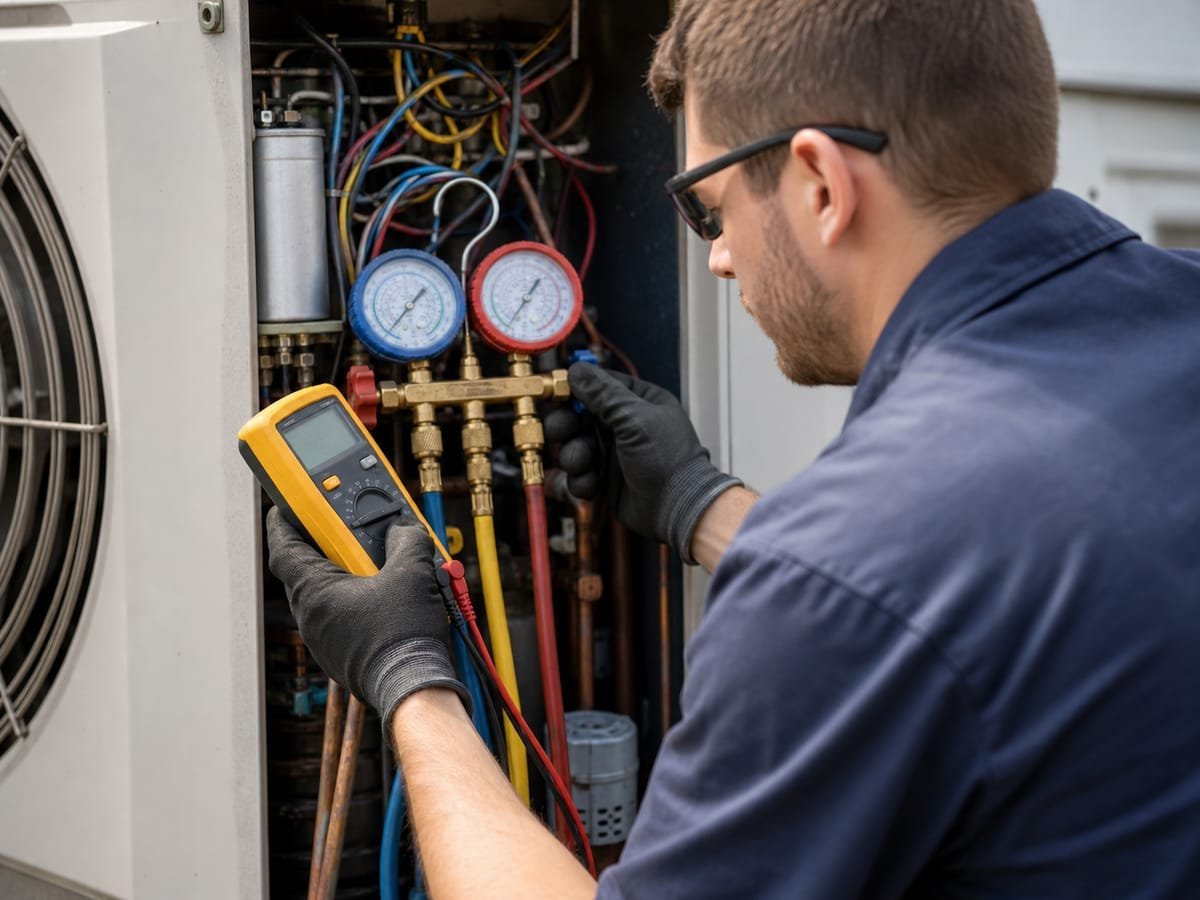
Fast, reliable repair for heating and cooling systems — diagnose failures, restore comfort, and avoid unnecessary replacement.
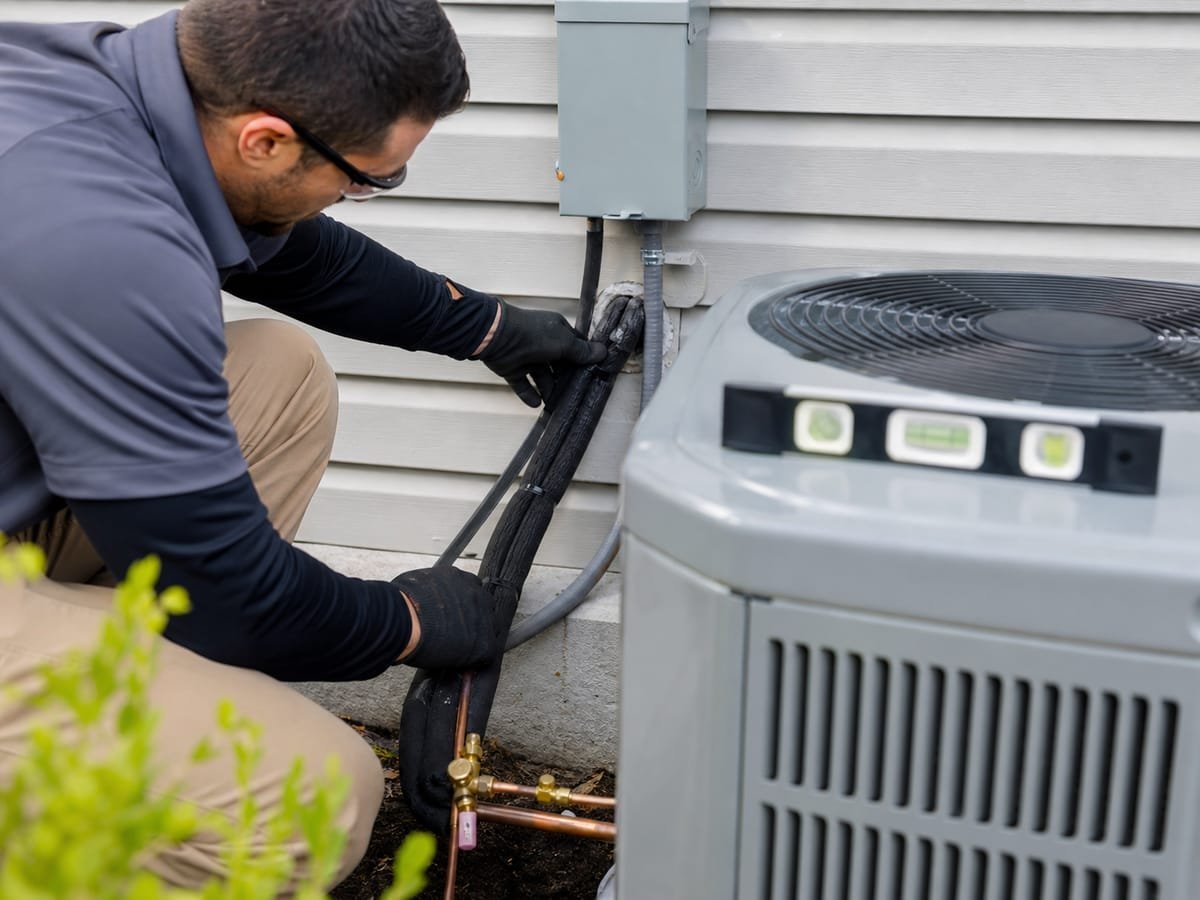
Install a properly sized, efficient heating and cooling system — with guidance on system type, efficiency ratings, and rebates.
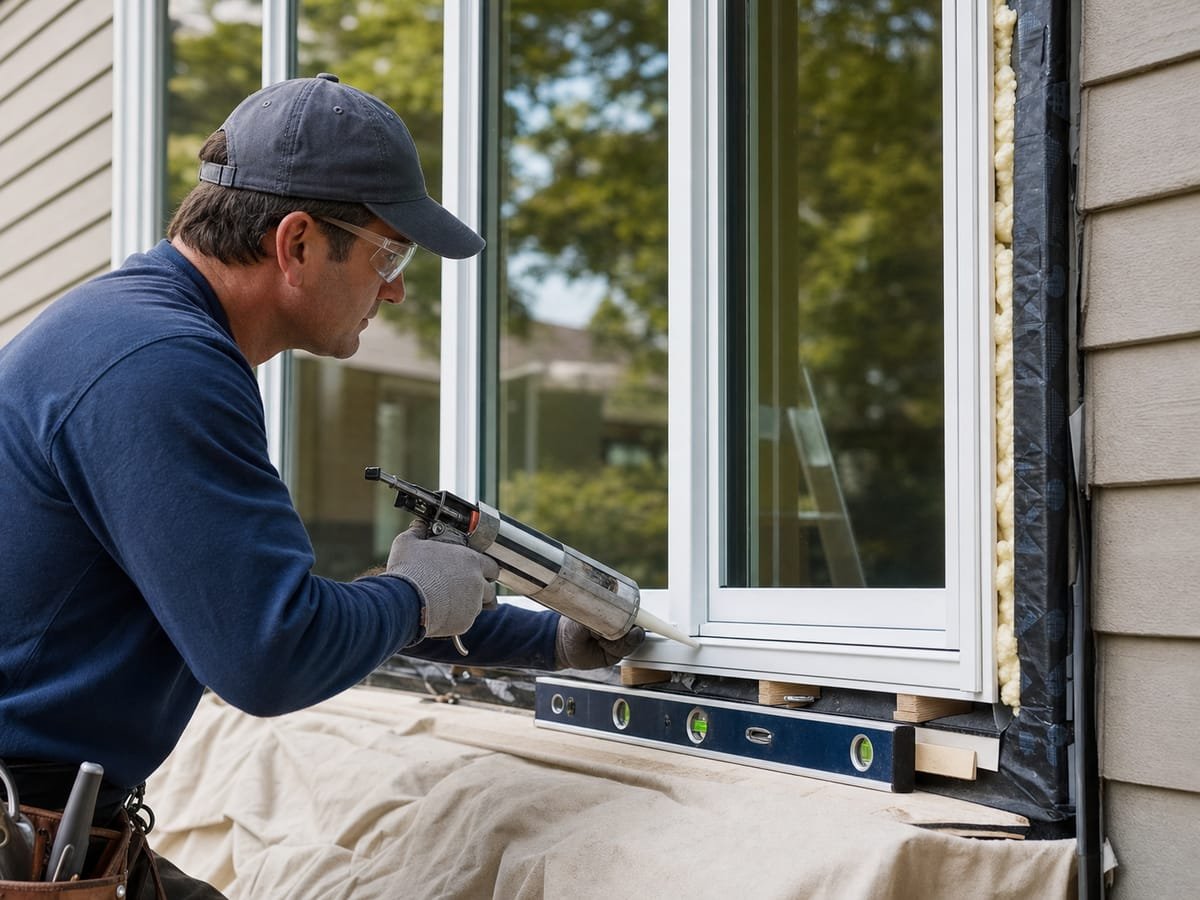
Compare energy-efficient replacement windows, real installation costs, and experienced local installers for your home.
Independent reading on questions this offer doesn't answer on its own.
No sign-up needed. No calls until you decide. Check availability, compare options, and proceed only when you're ready.