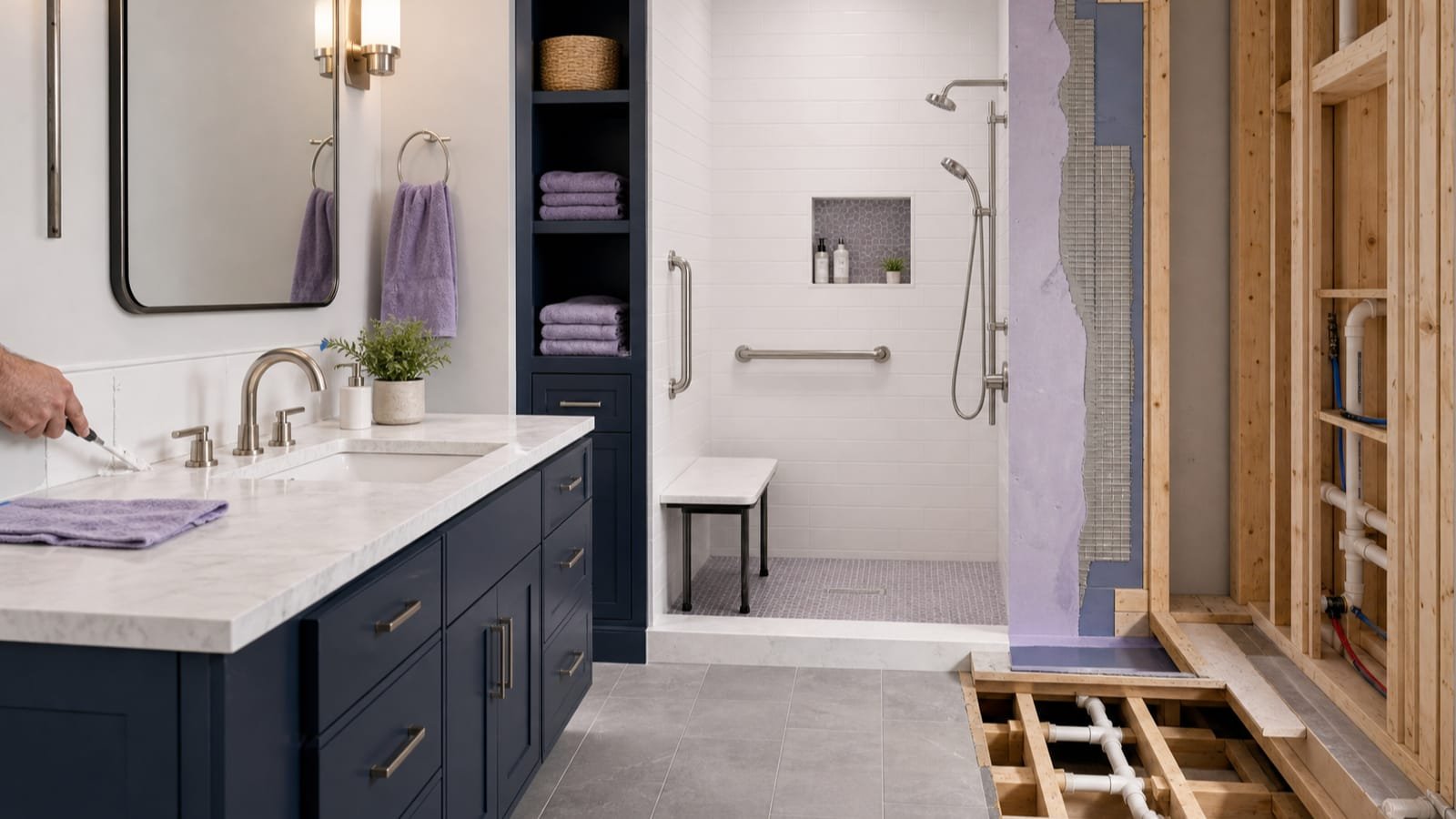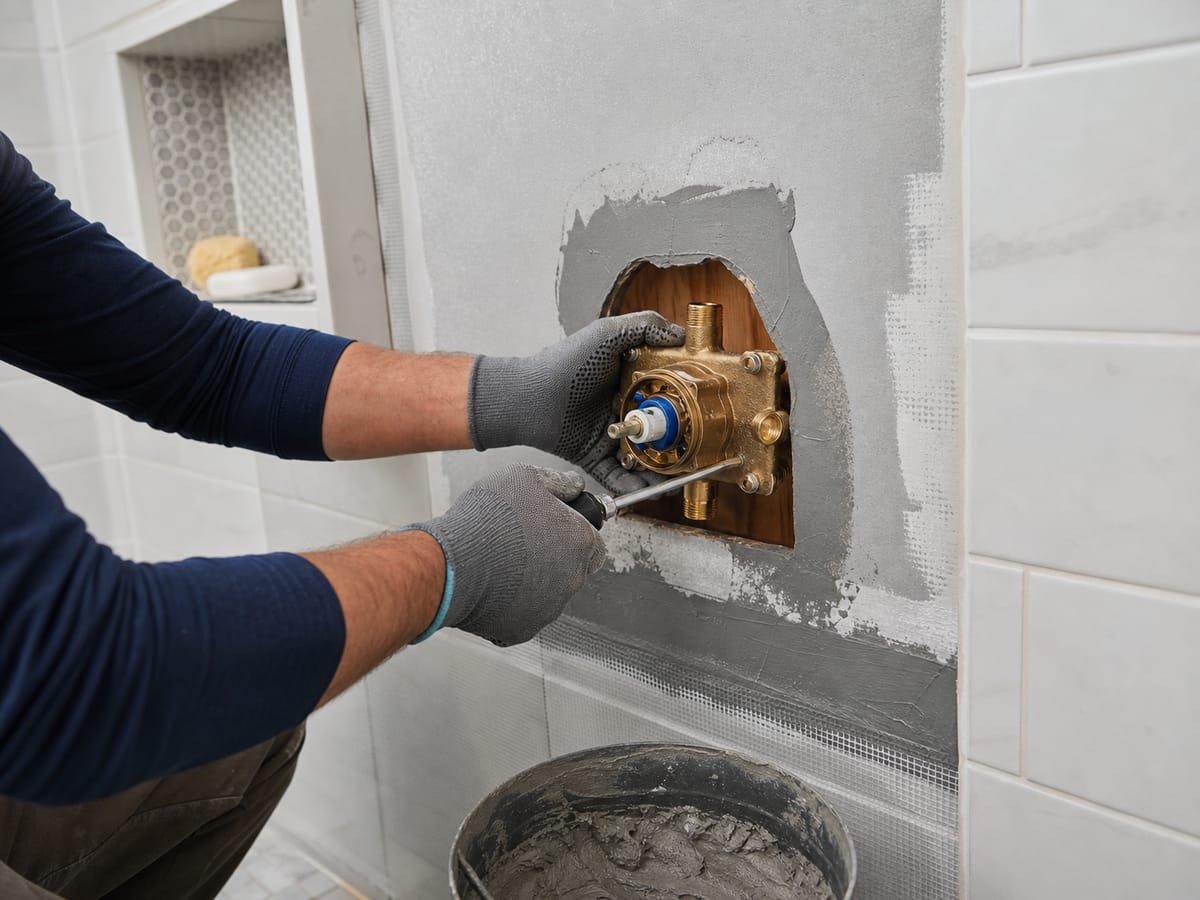

Bathroom Repair
Fix leaks, running toilets, grout failures, and drainage problems fast — with pros who solve the root cause.
Stop leaks and water damage before they spread.
Find Bathroom Repair Pros

When water damage, rot, or age has gone beyond a cosmetic fix, full reconstruction restores a sound, watertight, lasting bathroom.
When moisture has already reached the subfloor or framing, a surface-level fix won't hold. This guide explains what full reconstruction involves and how to evaluate contractors for a rebuild done right.
Some bathrooms are past the point of patching. When years of hidden moisture have rotted the subfloor, corroded plumbing, or spread damage through the framing, resealing the surface only buries the problem. Bathroom reconstruction rebuilds the room from the structure up — tearing out what's failed, correcting the underlying cause, and re-establishing proper waterproofing and support so the finished bathroom is sound for decades, not months. Because the scope touches plumbing, electrical, and structural work all at once, choosing a contractor experienced specifically in reconstruction — not just surface-level remodels — makes a real difference in the outcome.
The right project depends on why you're starting one — an isolated problem, damage that needs rebuilding, or a voluntary upgrade.
One thing is broken or failing — a leak, a fixture, a crack — and the rest of the room is otherwise fine.
The bathroom needs to be rebuilt because of major damage — water, fire, mold, or a structural failure.
Everything works, but you want a new layout, finishes, or fixtures by choice, not necessity.
The real-world benefits of moving forward.
When a long-running leak has reached the subfloor or framing, reconstruction is the durable answer a repair can't provide.
Decades-old bathrooms with original plumbing and failing waterproofing often need rebuilding rather than refreshing.
Persistent mustiness that returns after cleaning usually signals moisture in the structure that a rebuild resolves.
A rebuild corrects structural and moisture issues flagged during a sale so the bathroom passes muster.
Bathrooms still running on decades-old pipe materials often need a full rebuild once leaks start recurring.
A covered event that caused the damage often means reconstruction can be coordinated with the claims process.
Failed materials are removed back to solid framing and subfloor so the rebuild starts from something trustworthy.
Rotted joists, decking, and framing are repaired or replaced — the step surface remodels skip and later regret.
Modern membranes, backer board, and sealing are installed correctly behind tile and around tubs and showers.
The leaks or drainage faults that caused the damage are fixed during the rebuild, not sealed back inside the wall.
A clear look at the typical steps involved, from start to finish.
The team evaluates how far the damage extends and plans a tear-out back to sound structure.
Failed finishes, subfloor, and materials are removed, exposing the framing and the true extent of the problem.
Rotted joists and decking are rebuilt, moisture is dried out, and any mold is remediated before closing up.
Plumbing is corrected, then membranes, backer board, and sealing are installed to keep water out permanently.
Tile, fixtures, and finishes are installed over a sound base, followed by testing and any required inspection.
Important points to keep in mind as you explore this offer.
Reconstruction must fix why the damage happened, or the new bathroom will fail the same way.
The full extent of rot or mold is often only visible after demolition begins.
Structural and plumbing work requires permits and inspections in most jurisdictions.
Sudden water damage may be insurable; gradual, long-term leaks frequently are not.
Invest in waterproofing quality — it's hidden, but it determines how long the room lasts.
A rebuild is the ideal moment to remediate mold and correct drainage for good.
Bathroom reconstruction after damage (water, mold, or structural issues) follows a fairly predictable sequence. Knowing the stages helps you set expectations with a contractor.
This tool is meant to help you organize your own thinking and the questions you ask a provider — it isn't personalized financial, legal, medical, or contracting advice, and it doesn't collect or store anything you enter.
These three bathroom services solve different problems. Use this to confirm you're looking at the right one before requesting a quote.
Best for: Rebuilding after water, mold, or structural damage — restoring the bathroom to a safe, functional condition.
Best for: A single, contained issue in a bathroom that's otherwise undamaged.
Best for: Upgrading a bathroom by choice, separate from any damage.
This comparison describes general, commonly available options — not every provider offers every option, and actual terms, pricing, and availability depend on the specific provider and your circumstances.
There comes a point where a bathroom can no longer be saved by patching. The floor gives slightly underfoot. The musty smell keeps coming back no matter how thoroughly you clean. A leak you thought you fixed reappears somewhere new. These are signs that the problem isn't on the surface — it's in the structure. And when the structure has failed, the honest, durable solution isn't another bathroom repair. It's reconstruction.
Bathroom reconstruction means rebuilding the room from its foundation up: tearing out what has failed, correcting the cause, restoring the structural support and waterproofing, and only then installing new finishes. It's more involved than a cosmetic remodel, but for a bathroom that has been quietly damaged for years, it's the only approach that truly lasts.
People use these words interchangeably, but they describe very different projects. A remodel updates a bathroom that is fundamentally sound — new tile, a new vanity, a better layout. The bones are fine; you're changing the look. A reconstruction rebuilds a bathroom whose bones have failed. The subfloor is rotted, the framing is water-damaged, the waterproofing behind the tile has broken down, or the plumbing has been leaking into the structure.
The distinction matters because it changes everything about the project — the scope, the sequence, and what "done right" means. A remodel that goes over a compromised structure is a beautiful surface on a rotting foundation. Reconstruction fixes the foundation first. If your bathroom is dated but structurally healthy, a remodel is the right path. If it's damaged beneath the surface, reconstruction is what protects your investment.
Reconstruction is warranted when damage has moved past the finishes and into the structure. The clearest indicators include:
When several of these appear together, a surface repair is a temporary bandage. The damage will keep working beneath it.
A proper reconstruction follows a disciplined sequence, and understanding it helps you recognize a professional who does it right.
It begins with evaluating how far the damage reaches — though the full extent is often only revealed once demolition starts and the structure is exposed. Failed finishes, subfloor, and materials are carefully removed back to solid, trustworthy framing.
This is the step that separates reconstruction from an expensive cover-up. Before anything is rebuilt, the reason for the damage is fixed: the leaking pipe is repaired, the failed drainage corrected, the source of moisture eliminated. Rebuilding over an unresolved cause simply seals the problem inside your new walls.
Rotted joists, decking, and framing are repaired or replaced. Wet cavities are thoroughly dried, and any mold is remediated while everything is open and accessible — by far the most effective time to deal with it.
Modern waterproofing is installed correctly: membranes, proper backer board, and careful sealing around tubs, showers, and wet walls. This hidden layer is what determines whether the bathroom stays sound for decades. It's invisible in the finished room, which is exactly why it's worth doing to a high standard.
Only now do new finishes go in — tile, fixtures, vanity, and paint — over a base you can trust. The room is tested and, where required, inspected before it's considered complete.
Bathrooms with long-term moisture almost always have some mold in the hidden cavities. One of the underappreciated advantages of reconstruction is that the structure is already open, making it the ideal moment for thorough drying and mold remediation. Trying to address mold behind intact finishes is difficult and often incomplete; addressing it during a rebuild, before new materials seal the room, is thorough and lasting. If mold is extensive, remediation is coordinated as part of the reconstruction.
Reconstruction cost tracks the extent of the damage. Replacing a small section of subfloor is a modest job; rebuilding framing, re-plumbing, and remediating mold across a whole bathroom is a substantial one. Because so much depends on what's found once demolition begins, the most accurate estimate comes from an on-site assessment where a professional can gauge the real scope.
Insurance is worth investigating but comes with an important caveat: policies commonly cover sudden and accidental water damage — a pipe that bursts — while excluding damage from gradual, long-term leaks or deferred maintenance. Because the bathroom problems that lead to reconstruction are frequently slow-developing, coverage isn't guaranteed. Document the damage thoroughly, review your policy, and confirm directly with your insurer rather than assuming.
A realistic schedule runs in phases: drying and demolition first (a few days to a week, longer if the space was saturated), then rough plumbing and electrical with inspections, then waterproofing, tile, fixtures, and finish work. A single-bathroom rebuild commonly spans three to six weeks of calendar time — not because crews work slowly, but because inspections, drying verification, and tile cure times can't be compressed. Be skeptical of anyone promising a gutted bathroom back in a week; rushing the drying or waterproofing stages is precisely how rebuilt bathrooms fail a second time.
The costliest mistake is rebuilding over damp framing — new tile on wet studs traps moisture and restarts the decay you just paid to remove. Insist on documented moisture readings before surfaces close up. Other missteps: skipping a proper shower waterproofing membrane because "the old one didn't have it," reusing a corroded valve to save a little, letting an insurer's first scope dictate the rebuild without your contractor reviewing it, and treating visible mold as a wipe-down job when it should be handled through professional mold remediation. And if the original damage came from a burst pipe or long-term leak, make sure water damage restoration fully addressed adjacent rooms — water rarely respects the bathroom's walls. If your rebuild is also your chance to improve the space, review the design decisions in bathroom remodeling before the layout is locked in.
Reconstruction demands more than finishing skill. You want a contractor who understands structure and waterproofing — who knows how to rebuild a subfloor correctly, install waterproofing that will hold, and correct plumbing so the failure doesn't repeat. Look for licensed, insured professionals who pull the necessary permits, who insist on fixing the cause before rebuilding, and who explain what they find as they open the room up. That transparency is your best assurance the job is being done to last.
A reconstructed bathroom isn't just refreshed — it's made whole again, from the structure out. It costs more effort than a cosmetic update, but it resolves the hidden problems that would otherwise keep resurfacing and spreading. If your bathroom shows signs of structural or water damage, the wise step is a professional assessment that looks past the surface, so you can rebuild it once, correctly, and stop paying for the same problem again and again.
Facts and figures in this guide that come from an outside authority are backed by the sources below. Pricing, program rules, and eligibility details change — always confirm current specifics with the source directly or a licensed professional before acting.
Still have questions? The FAQ below covers the most common ones. Or use the button to check availability — there's no cost and no obligation.
Reconstruction demands more than finishing skills — it requires knowing how to rebuild support and keep water out for good.
Reputable teams fix why the damage happened before rebuilding, so the new bathroom doesn't repeat history.
Structural and plumbing changes must be done to code — insist that the appropriate permits and inspections are part of the plan.
Remodeling updates a functional bathroom's look and layout. Reconstruction rebuilds a bathroom whose structure has failed — rotted subfloor, water-damaged framing, or compromised waterproofing. Reconstruction addresses what's behind the surfaces; remodeling focuses on the surfaces themselves.
Warning signs include a spongy or sagging floor, recurring leaks, mold that returns after cleaning, a persistent musty smell, or damage that spreads beyond one fixture. If water has reached the subfloor or framing, a rebuild is usually the lasting fix.
A proper reconstruction always corrects the source first — the leak, the failed waterproofing, or the drainage fault. Rebuilding over an unresolved cause simply seals the problem inside the new walls, where it continues.
Because scope varies with the extent of structural and water damage, cost ranges widely. Replacing a section of subfloor differs greatly from rebuilding framing and re-plumbing a room. An on-site assessment that opens up the affected area gives the most accurate estimate.
More than a cosmetic remodel, because demolition, drying, structural repair, and waterproofing all precede finishing. Timelines depend on how much must be rebuilt and whether mold remediation or extensive plumbing work is involved.
It depends on the cause. Sudden, accidental water damage is often covered, while damage from long-term, gradual leaks or lack of maintenance is frequently excluded. Review your policy and document the damage; coverage varies, so confirm with your insurer.
Yes. Because the structure is already opened up, reconstruction is the ideal time to dry affected cavities and remediate mold before new materials seal the room. This is far more effective than trying to treat mold behind intact finishes.
Continue your research with the most closely related offers, or browse every Home Services offer.
Fix leaks, running toilets, grout failures, and drainage problems fast — with pros who solve the root cause.
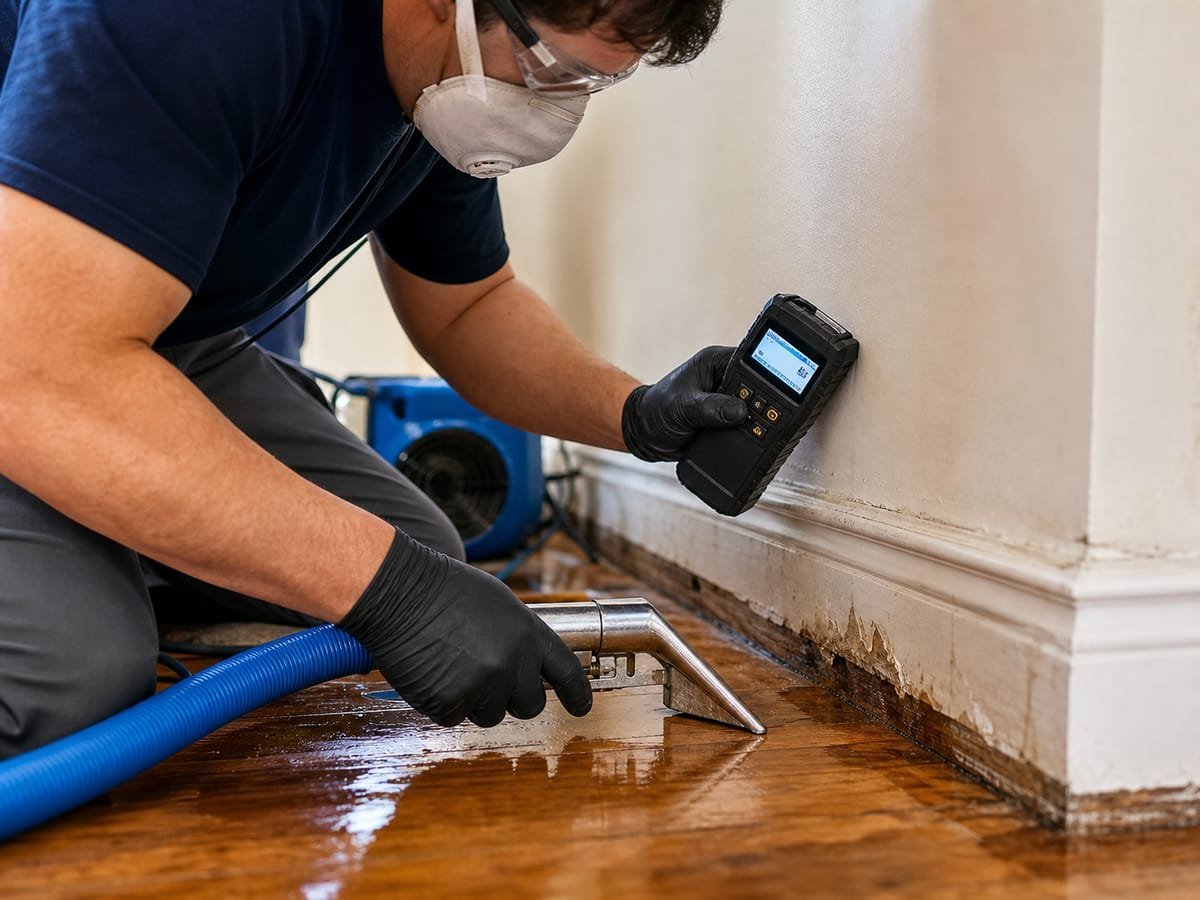
Rapid water extraction, drying, and restoration after leaks, burst pipes, or storm intrusion — before mold and structural damage set in.
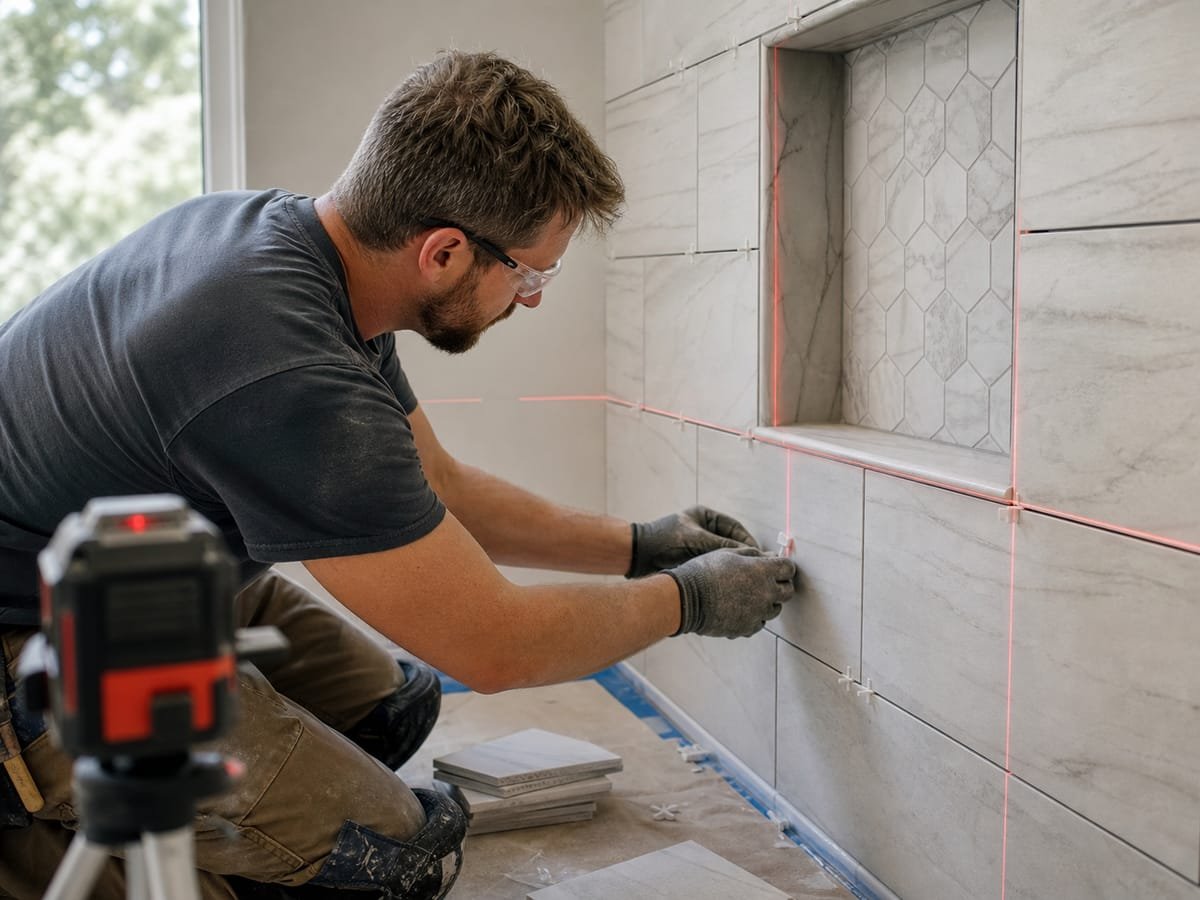
Redesign your bathroom's layout, fixtures, and finishes for daily comfort, style, and strong resale value.
Independent reading on questions this offer doesn't answer on its own.
No sign-up needed. No calls until you decide. Check availability, compare options, and proceed only when you're ready.