Home Services Full Roof Replacement

Roof Replacement That Protects Your Home for Decades

When repair isn't enough, a full replacement gives you a watertight, warranted roof and lasting peace of mind.

Deciding between another repair and a full roof replacement isn't always obvious from the outside. This guide walks through the signs that point to replacement and what to expect from the process and materials involved.

Repair vs. replaceUnderstanding materialsPlanning the timeline
Overview

What you need to know about Roof Replacement

Your roof is one of the most important investments in your home, and when repairs are no longer enough, a professional roof replacement delivers long-term protection, better energy efficiency, stronger curb appeal, and — in many markets — improved resale appeal. Whether your roof has reached the end of its lifespan or suffered extensive storm damage, a quality replacement installed by vetted, licensed roofers provides a durable, warranted roofing system built to protect your home for decades — and the smartest way to buy one is to compare itemized quotes from professionals who install to manufacturer specifications. Understanding the different material options, warranty terms, and what separates a reputable roofer from a rushed one helps you make a decision that holds up for decades, not just for the next storm.

At a glance

Category
Home Services
Read time
13 min read
Key benefits covered
6
Sources cited
4
Decision guide
Included on this page
Comparing your options

Which roofing projects do you need?

Not sure whether you need a fix, an assessment, or a full replacement? Here's how the three differ.

Repair

Roof Repair

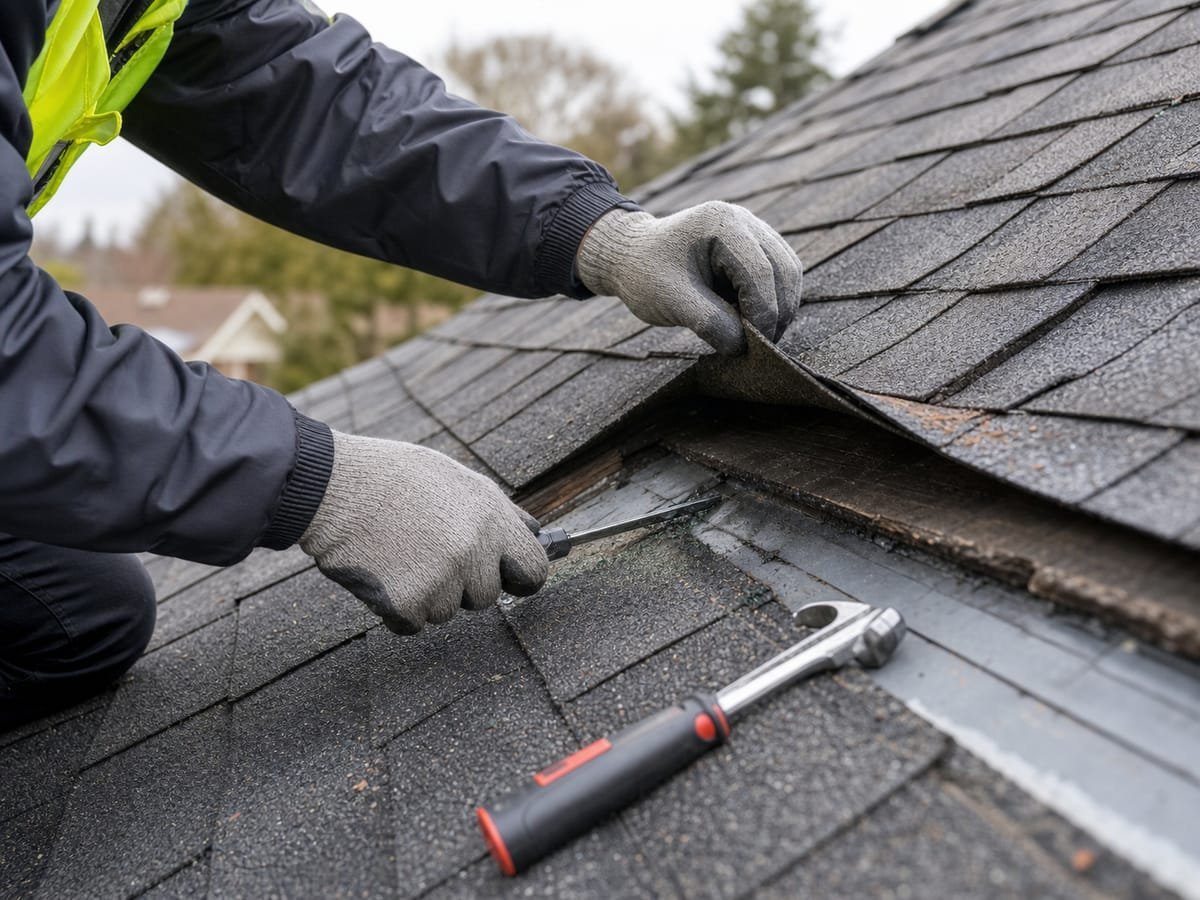
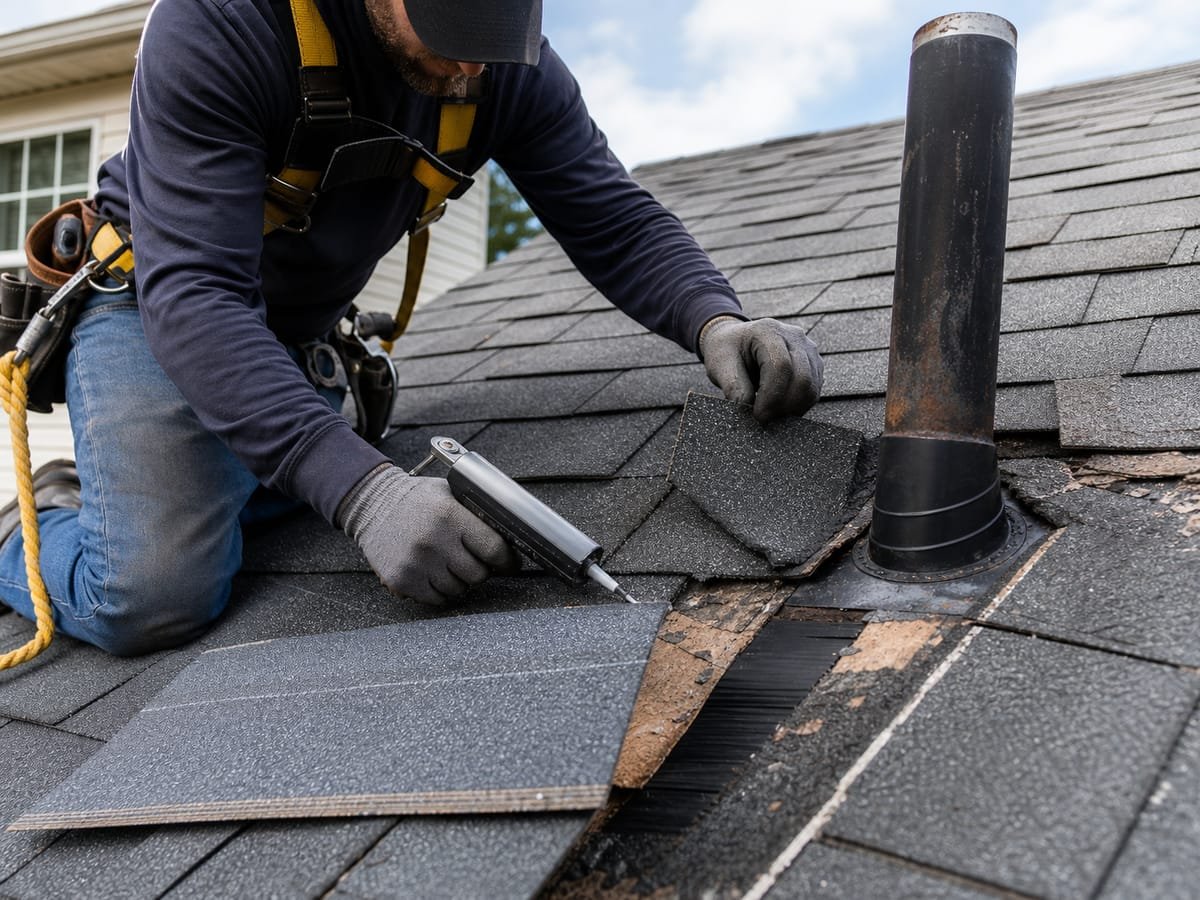
A specific problem — a leak, missing shingles, damaged flashing — needs fixing, and the rest of the roof is sound.

Inspection

Roof Inspection

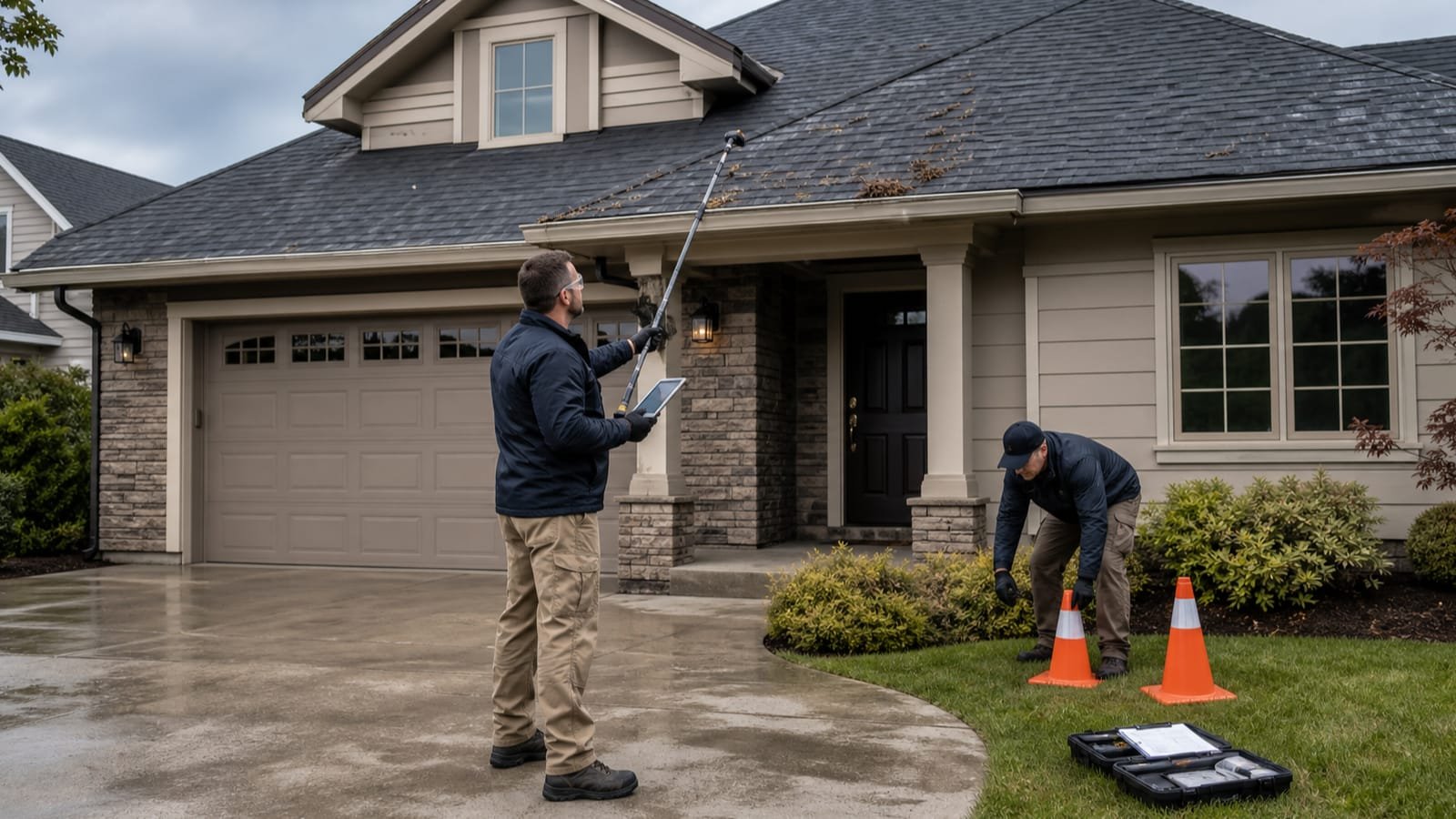
You need a professional assessment and documentation — for a sale, an insurance claim, or after a storm — before deciding what (if anything) to do next.

Replacement

Roof Replacement

You're on this page

The roof as a whole is at or past the end of its life, or damage is too extensive to patch.

Why people choose this

What you get with Roof Replacement

The real-world benefits of moving forward.

  • Complete weather protection from a new, fully warranted roofing system
  • An end to the recurring repair costs of an aging, failing roof
  • Improved energy efficiency from modern materials, underlayment, and ventilation
  • Improved curb appeal and support for resale value
  • Enhanced structural integrity with fresh decking, flashing, and installation
  • Longer manufacturer and workmanship warranties for lasting peace of mind
Is this right for you?

Who benefits most from Roof Replacement

Owners of aging roofs

Roofs in the 20–30 year range or beyond often reach a point where replacement is more economical than continued repair.

🌪️

After major storm damage

Extensive wind or hail damage can make full replacement the safer, insurance-supported path back to a sound roof.

💸

Homeowners tired of repeat repairs

When leaks and fixes keep recurring, a new roof ends the cycle and the mounting costs.

📈

Sellers and long-term owners

A new roof strengthens resale appeal and reassures buyers, while giving long-term owners decades of protection.

📋

Homeowners working through an insurance claim

A full replacement following covered storm damage typically involves coordinating with an adjuster and documentation.

🏦

Owners comparing financing options

Roofing is a major expense, and understanding financing or payment plans helps you plan the project responsibly.

What's included

What to expect

Full tear-off and deck inspection

Old materials are removed and the decking beneath is inspected and repaired, so the new roof rests on a solid, sound foundation.

Material selection guidance

You're helped to choose materials, colors, and styles that suit your home's architecture, climate, and budget.

Manufacturer-spec installation

Roofs are installed to manufacturer specifications and industry best practices, which is what keeps warranties valid.

Complete system replacement

Underlayment, flashing, ventilation, and drip edge are addressed as a system — not just the visible shingles — for true long-term performance.

Property protection and cleanup

Landscaping and property are protected during tear-off, and the site is thoroughly cleaned, including magnetic nail sweeps.

Warranty-backed workmanship

Quality installers back their labor, and manufacturers warrant the materials, giving you layered protection.

What to expect

How it works

A clear look at the typical steps involved, from start to finish.

Comprehensive inspection

Every project begins with a detailed inspection to evaluate the existing roof and determine the best replacement approach.

Material recommendations

You select materials, colors, and styles that complement your home while meeting your budget and performance goals.

Removal of existing roofing

Old materials are carefully removed while landscaping and property are protected throughout.

Deck inspection and repair

The roof decking is inspected and any damaged or weakened sections are replaced to provide a solid foundation.

Professional installation

The new system is installed to manufacturer specifications using quality materials and industry best practices.

Final inspection and cleanup

A complete quality inspection is performed and the site thoroughly cleaned, including magnetic sweeps for stray nails.

Before you decide

Key considerations

Important points to keep in mind as you explore this offer.

1

Compare itemized quotes covering tear-off, decking, flashing, ventilation, cleanup, and warranty.

2

A full tear-off allows decking inspection that a layover roof hides.

3

Material choice should balance budget, climate, and how long you'll stay in the home.

4

Proper ventilation and flashing matter as much as the shingles for long-term performance.

5

Storm-related replacement may be insurable; age-related wear usually is not.

6

Manufacturer-certified installation protects your product warranty.

Decision support

Comparing Roof Replacement Quotes

Getting multiple quotes and understanding what's included helps you compare contractors fairly. This checklist is not a price estimate — every quote is set individually by the contractor.

  • Does the quote specify materials by brand and product line, not just 'shingles'?
  • Is tear-off and disposal of the old roof included?
  • What's the workmanship warranty period, separate from the manufacturer's material warranty?
  • Is the contractor licensed, insured, and, if relevant, a manufacturer-certified installer?
  • Does the quote include flashing, ventilation, and decking repair if needed, or are those extra?
  • What's the estimated timeline, and how is weather-related delay handled?

This tool is meant to help you organize your own thinking and the questions you ask a contractor. Every roofing project is priced individually by the contractor — nothing here implies free work, a trial, a government program, or a grant.

Compare your options

Replacement, Repair, or Just an Inspection?

These three roofing services solve different problems. Use this to confirm you're looking at the right one.

Roof Replacement (this service)

Best for: A roof that's old, widely damaged, or has needed repeated repairs.

  • Resets the clock with a new roof and warranty
  • Addresses the whole roof rather than one problem at a time
  • Highest upfront cost of the three
  • Longer project timeline than a repair

Roof Repair

Best for: A specific, localized issue on an otherwise sound roof.

  • Lower cost and faster than full replacement
  • Not a lasting fix for a roof that's broadly worn out

Roof Inspection

Best for: You're not sure yet which one you need, or you need documentation for insurance or a sale.

  • No commitment — just an assessment
  • Doesn't fix anything by itself

This comparison describes general, commonly available options — not every provider offers every option, and actual terms, pricing, and availability depend on the specific provider and your circumstances.

In depth

Professional Roof Replacement: A Lasting Investment in Your Home

Your roof is one of the most important — and most expensive — systems in your home, and when repairs are no longer enough, a professional roof replacement is one of the most valuable investments you can make. A new roof provides long-term protection from the elements, improves energy efficiency, enhances curb appeal, and increases your property's value. Whether your roof has simply reached the end of its lifespan or suffered extensive storm damage, a quality replacement delivers a durable, warranted roofing system built to protect your home for decades.

The key to buying a new roof well is choosing experienced, licensed roofing contractors who install premium roofing systems to manufacturer specifications — and comparing itemized quotes so you understand exactly what you're paying for.

When Is Roof Replacement Necessary?

Many roofing issues can be repaired, but some situations genuinely call for a complete replacement. Replacing an aging or severely damaged roof ends the cycle of ongoing repairs and protects your home from costly structural damage. You may need a replacement if you notice:

  • Your roof is 20–30 years old or older
  • Frequent or recurring roof leaks
  • Missing, cracked, or curling shingles across the roof
  • Extensive storm or hail damage
  • Sagging roof sections
  • Rotting roof decking
  • Mold or moisture in the attic
  • Granule loss across large areas
  • Rising energy bills tied to poor roof performance

A professional roof inspection is the best way to determine whether repair or replacement is the more cost-effective option — and an honest roofer will always tell you if repairs still make sense before recommending the larger investment.

The Benefits of a New Roof

A new roof offers advantages well beyond swapping out old materials. It provides superior protection against weather, increases home value, improves curb appeal, and boosts energy efficiency. It reduces the maintenance and repair costs that pile up on an aging roof, strengthens structural integrity, and typically comes with longer manufacturer warranties. Above all, a professionally installed roof delivers peace of mind — the confidence that your home is prepared for every season for decades to come.

Understanding Roof Replacement Costs

Roof replacement is a significant purchase, and its cost is driven by several factors: the size and pitch of your roof, the material you choose, how many existing layers must be removed, the extent of any decking repairs discovered during tear-off, and local labor rates. Steeper and more complex roofs cost more to work on safely. Asphalt shingles sit at the affordable end of the range, architectural shingles a step above, and metal and specialty systems higher still — though the longer-lasting materials can offer better lifetime value.

Because so much depends on your specific roof, the most reliable way to understand cost is to gather itemized quotes and compare them line by line. A quality quote separates tear-off, decking repair, materials, flashing, ventilation, cleanup, and warranty rather than presenting a single vague number. That transparency lets you compare bids fairly and is itself a good early test of a contractor's professionalism. Be cautious of a bid that's dramatically lower than the rest — it often reflects a layover instead of a tear-off, thinner materials, or skipped steps you'll pay for later.

The Roof Replacement Process

A quality replacement follows a proven installation sequence that ensures lasting performance.

Comprehensive Roof Inspection

Every project begins with a detailed inspection to evaluate the condition of the existing roofing system and determine the best replacement solution.

Personalized Roofing Recommendations

You're guided to select roofing materials, colors, and styles that complement your home's architecture while meeting your budget and performance goals.

Removal of Existing Roofing

The old roofing materials are carefully removed while landscaping and property are protected throughout the project.

Deck Inspection and Repairs

Before the new roof goes on, the decking is inspected and any damaged or weakened sections are replaced to provide a solid, trustworthy foundation. This step is one of the biggest advantages of a full tear-off over a layover.

Professional Roof Installation

Experienced roofing professionals install the new system according to manufacturer specifications, using quality materials and industry best practices. Correct installation is what keeps the manufacturer's warranty valid.

Final Inspection and Cleanup

After installation, a complete quality inspection is performed and the job site thoroughly cleaned — including magnetic sweeps to collect stray nails — so your property looks as good as your new roof.

Roofing Materials to Consider

A range of quality roofing systems is available, each with distinct strengths.

Asphalt Shingle Roofing

A cost-effective and popular option offering solid durability, good weather resistance, and a wide variety of colors and styles. It's the default choice for many homes for good reason.

Architectural Shingles

Premium dimensional shingles provide enhanced durability, improved wind resistance, and a more textured, attractive appearance than standard three-tab shingles.

Metal Roofing

Metal roofs offer exceptional longevity, strong energy efficiency, and superior protection against harsh weather. They cost more upfront but can last far longer, making them a compelling long-term value.

Specialty Roofing Systems

Specialty materials — tile, slate, and others — suit particular architectural styles and climates, delivering distinctive looks and long service lives where they fit.

Tear-Off vs. Layover, and the System Beneath the Shingles

Homeowners often ask whether a new roof can simply go over the old one. In some situations and jurisdictions, a second layer over existing shingles is permitted and is cheaper and faster. But a full tear-off is generally the better long-term decision, because it exposes the decking for inspection and repair and reveals hidden damage a layover would trap. It's also worth understanding that a roof is a system, not just its shingles. Underlayment, flashing at every transition, proper attic ventilation, and drip edge all determine how long the roof truly lasts. A replacement that addresses the whole system outperforms one that only swaps the visible surface, which is another reason itemized quotes matter — they show whether these components are included.

Storm Damage, Insurance, and Timing

When a roof fails because of a sudden, covered event like a storm, insurance may contribute to replacement — but a roof that has simply worn out with age is generally not covered. If storm damage is involved, document it thoroughly, review your policy's coverage and depreciation terms, and confirm the details with your insurer, since these vary widely. On timing, most residential replacements are completed in one to three days depending on size, complexity, and weather, and roofers generally prefer mild, dry conditions for the best installation results.

Warranties: What's Actually Covered

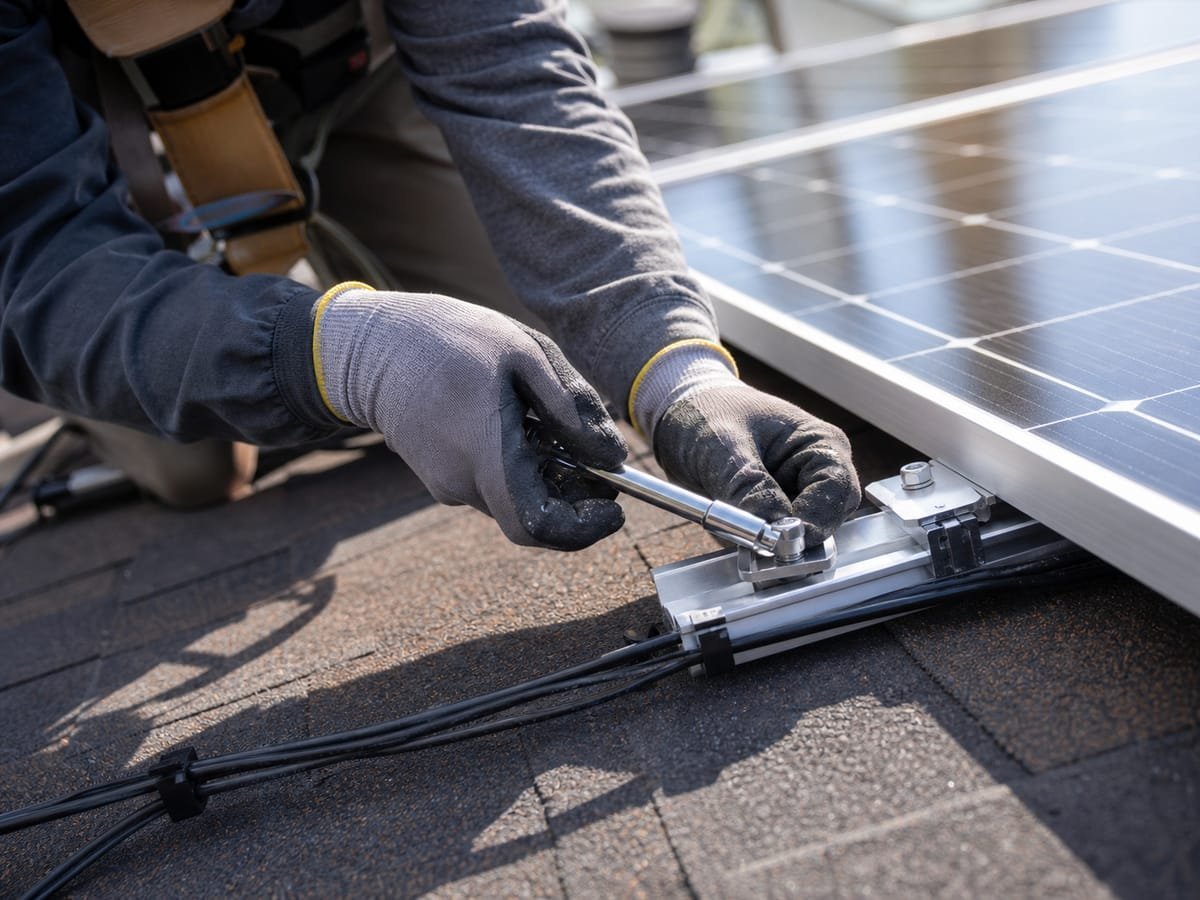
New-roof warranties come in two distinct layers, and confusing them costs homeowners real money. The manufacturer's warranty covers the materials — commonly decades-long for architectural shingles, though often prorated over time. The workmanship warranty covers the installation itself, comes from your contractor, and matters more in practice, since most premature roof failures trace to installation rather than materials. Manufacturer-certified installers can often register enhanced system warranties that lengthen coverage and reduce proration — but only when the full system (underlayment, starter, ridge components) is installed per specification. Before signing, get both warranties in writing, confirm what voids them (unauthorized penetrations such as satellite mounts or solar racking installed incorrectly are classic triggers), and ask who honors the workmanship warranty if the company changes hands.

Choosing the Contractor for a Once-in-Decades Job

A roof replacement is only as good as the crew on the ridge, so vet accordingly: state licensing where required, verified liability and workers' compensation coverage, a local track record you can drive past, manufacturer certifications, and a contract that specifies tear-off, deck repair pricing per sheet, the full component system, and daily site protection. Get the pre-replacement inspection findings in writing so the scope is evidence-based, and coordinate timing with any related work — new gutters are cheapest to install right after the roof, and if solar panels are in your future, replacing the roof first avoids paying to remove and reset an array. If your damage is storm-related, an established local roofer who works insurance claims regularly can document the loss properly; the same caution about storm-chasing crews that applies to roof repairs applies doubly to full replacements.

Protect Your Home With a New Roof

A professionally installed roof offers more than protection — it offers confidence that your home is ready for every season, year after year. Whether you're replacing an aging roof or recovering from severe weather, a quality replacement safeguards your family and your property for the long term. The smartest first step is a professional inspection and a set of detailed, itemized quotes from experienced roofers whose licensing and insurance you've verified, so you can choose with confidence and invest once in a roof built to last.

See it for yourself

Media

Where this comes from

Sources

Facts and figures in this guide that come from an outside authority are backed by the sources below. Pricing, program rules, and eligibility details change — always confirm current specifics with the source directly or a licensed professional before acting.

Ready to explore Roof Replacement?

Still have questions? The FAQ below covers the most common ones. Or use the button to check availability — there's no cost and no obligation.

How we research every listing

Why you can rely on this information

Licensing and insurance

A full roof installation warrants verified licensing and insurance — ask for current certificates before signing.

Itemized, comparable quotes

Look for detailed quotes covering tear-off, decking, materials, flashing, ventilation, cleanup, and warranty — not one lump figure.

Manufacturer certification

Certification by the material manufacturer supports proper installation and can unlock enhanced warranties — ask whether your installer holds it.

Common questions answered

Roof Replacement — questions people actually ask

How do I know if I need a roof replacement instead of a repair?

Replacement is usually warranted when a roof is 20–30 years old, has frequent or multiple leaks, widespread shingle failure, extensive storm or hail damage, sagging, rotting decking, or heavy granule loss. Isolated damage on an otherwise sound roof is typically repairable. A professional inspection determines which applies.

How much does a roof replacement cost?

Cost depends on roof size and pitch, the material you choose, the number of layers to remove, decking repairs, and local labor. Asphalt shingles are the most affordable; metal and specialty systems cost more but last longer. The reliable way to know your cost is to compare itemized quotes for your specific roof.

How long does it take to replace a roof?

Many residential roof replacements are completed in one to three days, depending on size, complexity, material, and weather. Larger or steeper roofs and significant decking repairs extend the timeline.

Which roofing material is best?

There's no single best choice. Asphalt and architectural shingles offer strong value and wide selection; metal roofing delivers exceptional longevity and energy efficiency at a higher upfront cost; specialty materials suit particular designs and climates. The right pick balances budget, climate, and how long you plan to stay.

Will insurance pay for a new roof?

Insurance may cover replacement when the roof fails due to a sudden, covered event like a storm, but not when it simply wears out from age. Document any storm damage, review your policy, and confirm coverage and depreciation terms with your insurer, since these vary significantly.

Can a new roof be installed over the old one?

Some jurisdictions and situations allow a second layer over existing shingles, which is cheaper and faster. However, a full tear-off is generally the better long-term choice because it allows inspection and repair of the decking and reveals hidden damage. A roofer can advise what's appropriate and permitted for your roof.

How long will a new roof last?

Lifespan depends on material and maintenance: quality asphalt shingles commonly last a couple of decades or more, while metal and premium systems can last considerably longer. Proper installation, ventilation, and periodic inspection all help a roof reach its full lifespan.

Does a new roof improve energy efficiency?

It can. Modern materials, proper attic ventilation, and quality underlayment help regulate temperature and reduce strain on your HVAC system. Reflective and certain metal options can further reduce heat gain in hot climates.

How this page was put together

Editorial information

  • We prioritize primary, authoritative sources over provider marketing.
  • Commercial relationships never influence what we publish or how it's written.
  • Pages are dated and updated only when they've genuinely been reviewed or changed.
Roof ReplacementNew RoofAsphalt ShinglesMetal RoofingRoof InstallationRoofing Contractors

Get started with Roof Replacement — no obligation

No sign-up needed. No calls until you decide. Check availability, compare options, and proceed only when you're ready.