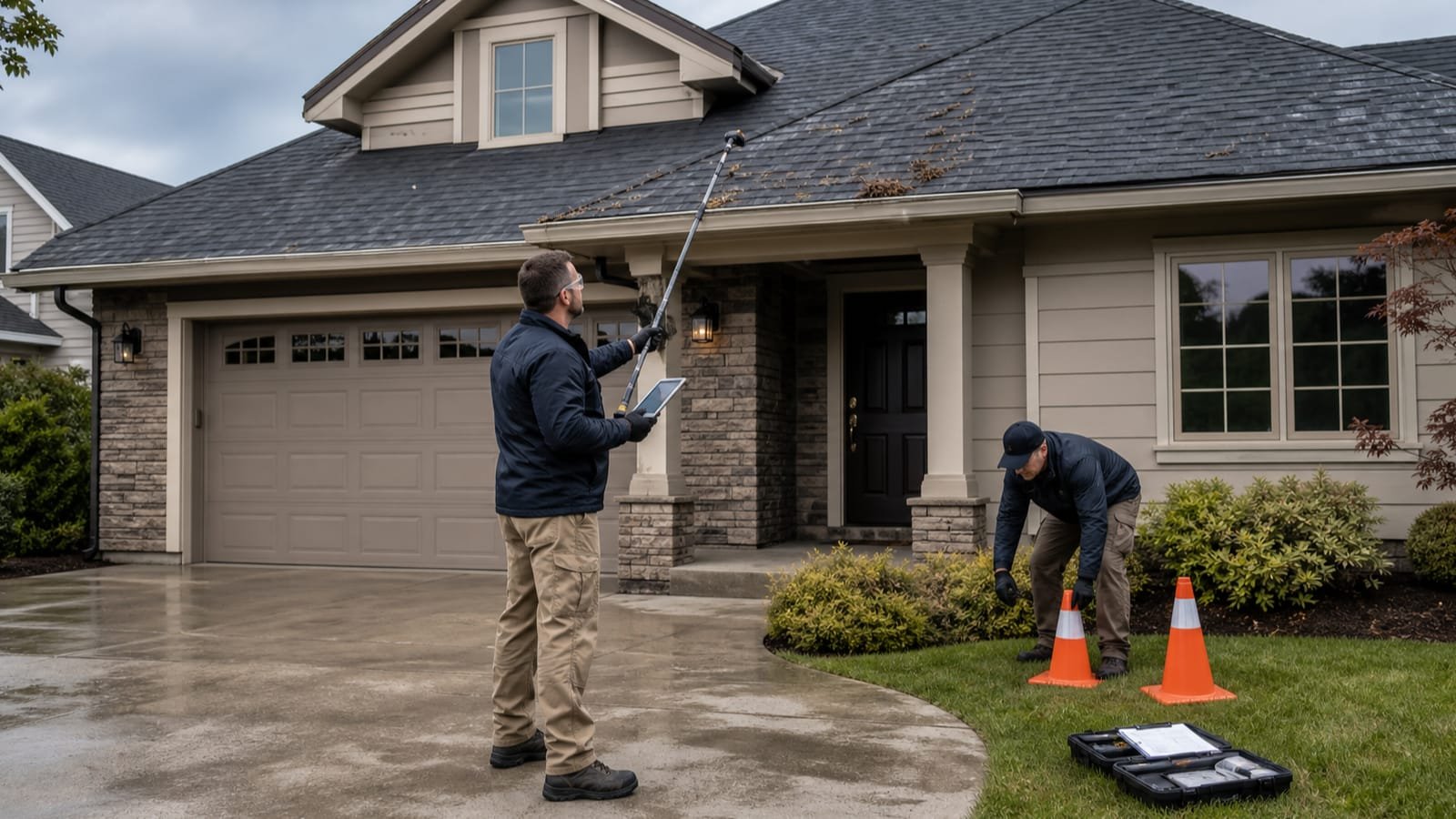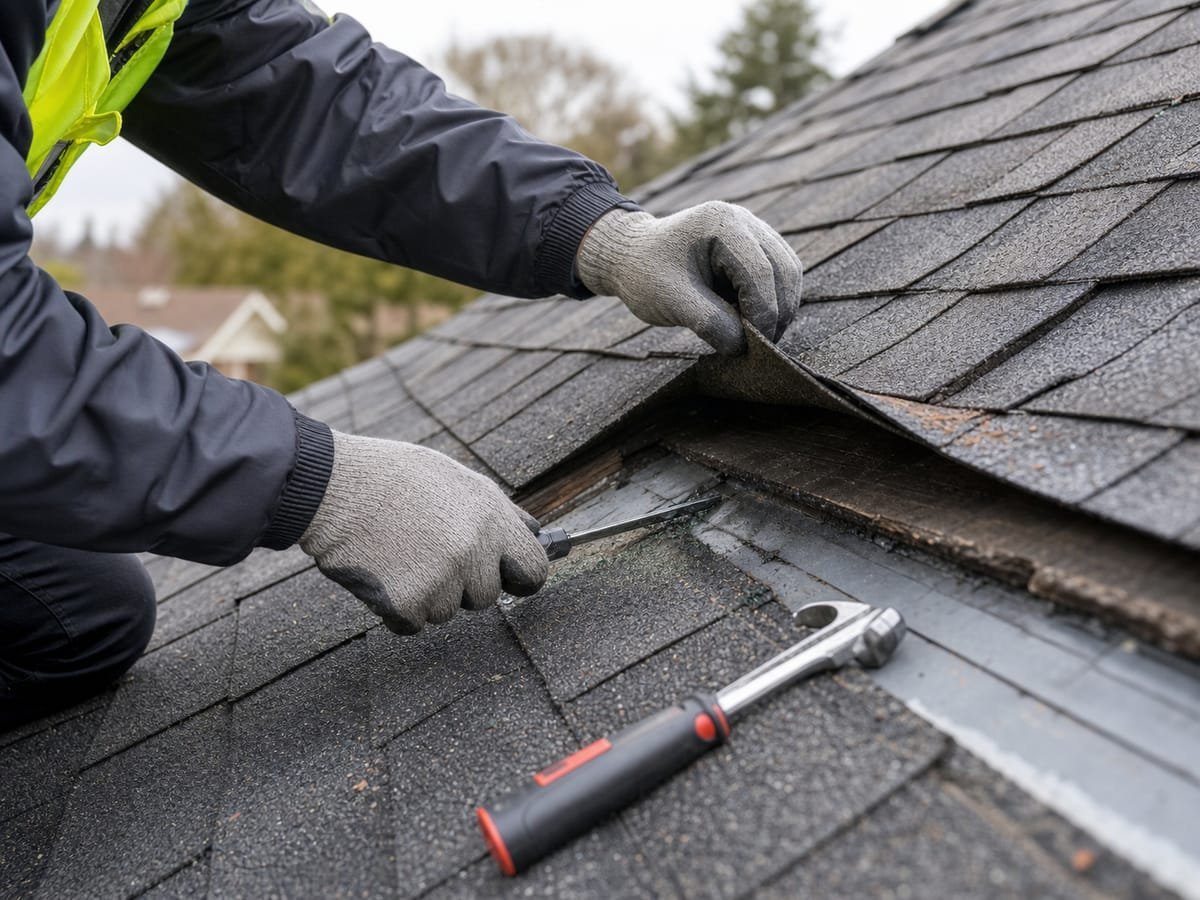

Roof Inspection
Get a professional roof inspection to catch problems early and understand the true condition and lifespan of your roof.
Know exactly what your roof needs before problems escalate.
Find Roof Inspection Pros

Leaks, missing shingles, or damaged flashing — connect with experienced roofers who diagnose the true source and fix it right.
A missing shingle or a small leak can look minor from the ground, but roofing damage tends to spread quietly until it reaches the structure below. This guide helps you understand common repair needs and vet the right roofer.
Your roof shields your home, family, and belongings from the elements every single day, and even a small defect can escalate into costly structural damage if it's left alone. Professional roof repair restores your roof's strength, stops leaks at their source, and extends the life of your roofing system — often letting you avoid a premature full replacement. Whether the damage comes from storms, aging materials, missing shingles, or failed flashing, connecting with experienced local roofers means the problem gets diagnosed accurately and fixed to last. Getting a second opinion before committing to major work is a reasonable step, since the scope of what actually needs fixing can vary meaningfully between contractors.
Not sure whether you need a fix, an assessment, or a full replacement? Here's how the three differ.
A specific problem — a leak, missing shingles, damaged flashing — needs fixing, and the rest of the roof is sound.
You need a professional assessment and documentation — for a sale, an insurance claim, or after a storm — before deciding what (if anything) to do next.
The roof as a whole is at or past the end of its life, or damage is too extensive to patch.
The real-world benefits of moving forward.
Any sign of water intrusion — stains, drips, or a damp attic — warrants fast attention before the damage spreads.
High winds and hail can compromise a roof even when damage isn't visible from the yard, making prompt inspection wise.
Roofs in their middle years often need isolated repairs to reach their full lifespan before replacement is due.
Fast, dependable roof repairs protect rental properties and tenants from water damage and disruption.
Fixing visible roof issues before listing avoids the kind of inspection findings that stall a sale or spook buyers.
Storm-related repairs often need documentation a professional roofer can help provide.
Skilled roofers trace where water actually enters rather than patching the spot where it appears inside, since the two are often far apart.
Cracked, curled, or missing shingles and deteriorated flashing around chimneys, valleys, and vents are the most common leak paths — and the most fixable.
Wind, hail, and fallen debris damage is assessed and repaired, including damage that isn't obvious from the ground.
Where water has reached the roof deck, damaged sections are replaced so repairs rest on a sound foundation.
Repairs use quality materials matched to your existing roof where possible, so the fix blends in and performs consistently.
Completed repairs are checked under real conditions to confirm the leak or damage is fully resolved.
A clear look at the typical steps involved, from start to finish.
A roofing specialist examines every component — shingles, flashing, valleys, vents, and the deck — to find both visible and hidden damage.
You receive a clear evaluation of the roof's condition, an explanation of the needed repairs, and transparent pricing with no hidden costs.
Damaged shingles, flashing, vents, valleys, and decking are repaired using quality materials matched to your existing roof where possible.
A thorough final check confirms every repair meets quality standards and provides lasting protection before the job is complete.
Important points to keep in mind as you explore this offer.
A visible interior leak often originates far from where it appears — insist on source diagnosis.
Delaying a roof repair almost always increases the damage and the eventual cost.
Storm and hail damage may be insurable; wear-and-tear generally is not — document everything.
If damage is widespread, weigh repair against replacement rather than repeatedly patching.
Never walk your own roof to inspect or repair — leave height work to insured professionals.
A post-storm inspection is worthwhile even when no leak is visible yet.
These are common indicators worth having a professional look at. Pricing for any repair is set individually by the contractor after inspecting your roof.
This tool is meant to help you organize your own thinking and the questions you ask a contractor. Every roofing project is priced individually by the contractor — nothing here implies free work, a trial, a government program, or a grant.
These three roofing services solve different problems. Use this to confirm you're looking at the right one.
Best for: A specific, localized issue — a leak, a few damaged shingles, failed flashing — on an otherwise sound roof.
Best for: A roof that's old, widely damaged, or has had repeated repairs that no longer make sense economically.
Best for: You're not sure yet whether you need repair or replacement — or you need documentation for insurance or a home sale.
This comparison describes general, commonly available options — not every provider offers every option, and actual terms, pricing, and availability depend on the specific provider and your circumstances.
Your roof protects your home, your family, and everything inside it from the elements every day — and it does that job silently until something goes wrong. The trouble with roofing problems is that they rarely announce themselves early. A small defect high on the roof can channel water into your attic, insulation, and framing for weeks before a stain finally appears on a ceiling below. By then, an inexpensive fix has become a costly one. Professional roof repair is about catching and correcting that damage early — restoring your roof's strength, eliminating leaks, and extending the life of your roofing system so you can avoid a premature and expensive full replacement.
Whether your roof has been battered by storms, worn down by age, stripped of shingles by wind, or compromised by failing flashing, experienced roofing professionals provide dependable repairs using quality materials and proven techniques.
Roof damage doesn't hold still — it spreads. A minor leak lets moisture penetrate the attic, soak insulation, and reach structural framing, and the longer it continues, the more it costs to put right. Addressing roofing problems promptly protects both your property and your home's value. The benefits of timely repair are cumulative and significant:
The single most important idea in roof repair is that acting early is almost always cheaper than waiting. Water damage compounds, and roofing is one area where a small, timely investment prevents a very large one.
Many roofing problems begin long before they're visible inside your home. Learning to recognize the early warning signs — from the ground or from your attic, never by climbing the roof yourself — lets you act before a small issue becomes a structural one.
Water stains on ceilings, active dripping, or damp attic insulation usually indicate an active leak that needs immediate attention. Remember that water travels along framing before it drips, so the visible stain is often not directly below the actual entry point.
Strong winds, age, and severe weather loosen, crack, curl, or tear away shingles, leaving the surface beneath exposed to moisture. Even a few missing shingles create a vulnerable path for water.
Flashing — the metal that seals transitions around chimneys, skylights, valleys, and vents — is one of the most common sources of leaks. As it corrodes, lifts, or loses its sealant over time, water finds its way into these vulnerable joints.
High winds, hail, fallen branches, and driving rain can compromise a roofing system even when the damage isn't obvious from the ground. This is why a professional inspection after a significant storm is so valuable.
A sagging roofline or deck can signal underlying structural damage or long-term moisture infiltration. Sagging should be inspected promptly, as it points to problems beyond the surface.
If you find asphalt shingle granules — they look like coarse black sand — collecting in your gutters, your shingles may be wearing out and nearing the end of their protective life. Widespread granule loss is a sign to evaluate the roof as a whole.
Not every roof problem calls for the same answer, and one of the most valuable things a professional roofer provides is honest guidance on whether to repair or replace. Repair is usually the right, cost-effective choice when damage is isolated — a section of missing shingles, a failed flashing joint, a localized leak — and the decking beneath is still sound.
Replacement becomes the smarter investment when damage is widespread: shingles failing across the whole roof, multiple recurring leaks, extensive granule loss, sagging, or a roof simply at the end of its lifespan. At that point, continued repairs become a series of temporary patches on a system that's wearing out everywhere at once. A thorough inspection — the same kind you'd get from a dedicated roof inspection — is what tells you which situation you're in, so you neither over-spend on patching a dying roof nor needlessly replace one that has years left.
A well-run repair follows a proven sequence that ensures every roof receives the attention it deserves.
Roofing specialists carefully examine every component of the roofing system — shingles, flashing, valleys, vents, and the deck — to identify both visible and hidden damage.
You receive an honest evaluation of the roof's condition, a clear explanation of the necessary repairs, and transparent pricing with no hidden costs.
The team repairs damaged shingles, flashing, roof vents, valleys, decking, and other components using quality materials that match your existing roof whenever possible.
Before the project is complete, a thorough final inspection confirms every repair meets quality standards and provides lasting protection.
Experienced roofing contractors provide a full range of repair solutions, including roof leak repair, emergency roof repair, storm and wind damage repair, hail damage repair, missing and cracked shingle replacement, flashing repair and replacement, roof vent repair, chimney flashing repair, ridge cap repair, roof decking repair, fascia and soffit repairs, and skylight leak repair. Whatever the specific failure, the goal is the same: find the true cause, fix it durably, and restore the roof's integrity.
Every home has unique roofing needs. Whether your property has three-tab asphalt shingles, architectural shingles, metal roofing, or another system, experienced technicians tailor repairs to that material to maximize durability and performance. The consistent aim is to restore your roof and help you avoid premature replacement wherever it's genuinely possible.
When a storm damages your roof, there's often an insurance dimension worth understanding. Homeowners policies commonly cover sudden, accidental damage such as wind and hail, while wear-and-tear and neglected maintenance are typically excluded. If you suspect storm damage, document it thoroughly with photos and dates, avoid climbing the roof yourself, and have a professional inspection to assess the extent. Many roofing contractors are experienced in working with the claims process. Keep in mind that coverage, deductibles, and timelines vary by policy and situation, so confirm the details directly with your insurer rather than assuming.
It's worth saying plainly: walking a roof is dangerous, and diagnosing a leak correctly takes experience. Falls from roofs cause serious injuries every year, and a misdiagnosed leak often leads to a repair that doesn't hold. You can safely watch for warning signs from the ground and inspect your attic for daylight, stains, or dampness, but the roof surface itself — and the repair — is best left to insured professionals with proper fall protection and know-how.
Routine inspections and preventative maintenance dramatically reduce the risk of major repairs. Regular attention catches worn shingles, damaged flashing, blocked drainage, and other issues before they turn into leaks and expensive problems. Scheduling periodic roof inspections — and especially an inspection after major storms — extends the lifespan of your roofing system and protects your investment. Keeping gutters clear so water drains away properly is part of the same preventive picture.
The roofing trade attracts both the best and the worst of home-services contractors, and after major storms the gap widens — out-of-town crews canvassing damaged neighborhoods are a well-documented pattern. Protect yourself with a short checklist: a local physical address and history, state licensing where required, active liability and workers' compensation insurance (ask for certificates, not assurances), manufacturer credentials if warranty work is involved, and a written scope that names materials, repair methods, and workmanship warranty terms. Be cautious with any contractor who asks you to sign over an insurance claim on the spot or demands large payment before materials arrive. A reputable roofer welcomes questions about how the repair will be verified — because they intend to verify it.
A repair fixes what an inspection finds — and the two work best as a rhythm rather than a rescue. Scheduling a professional roof inspection after major storms and every few years of normal weather catches sealant fatigue, lifted shingles, and flashing gaps while they're still one-visit repairs. Two neighbors of the roof deserve attention in the same visit: gutters and attic ventilation. Clogged or sagging gutters back water up under the roof edge and mimic roof leaks, which is why gutter cleaning and repair so often accompanies roof work, and poor attic airflow cooks shingles from beneath while feeding winter ice dams. When repair findings start stacking up — widespread granule loss, brittle shingles, repairs clustering closer together — the honest conversation shifts from patching to roof replacement, and a good roofer will show you the evidence rather than just the estimate.
Roofing rewards prompt action more than almost any part of the home. Whether you're facing an active leak, storm damage, missing shingles, or general wear, the smart move is to have the roof professionally inspected and repaired while the problem is still contained. Connecting with experienced, licensed roofing professionals means getting an honest assessment, a detailed estimate, and workmanship that restores your roof and protects your home for the seasons ahead.
Facts and figures in this guide that come from an outside authority are backed by the sources below. Pricing, program rules, and eligibility details change — always confirm current specifics with the source directly or a licensed professional before acting.
Still have questions? The FAQ below covers the most common ones. Or use the button to check availability — there's no cost and no obligation.
Roof work at height demands proper licensing and insurance — request certificates, not verbal assurances.
A trustworthy roofer tells you when a repair will hold and when a roof's condition genuinely calls for replacement.
Look for clear written pricing that explains the damage and the repair, not a vague lump sum.
In most cases, yes. Isolated damage to shingles, flashing, or sealant can be repaired without a full replacement, provided the underlying decking is sound. A professional inspection confirms whether the damage is contained or widespread.
Cost depends on the type and extent of damage, the roofing material, accessibility, and whether the decking beneath is affected. A minor flashing or shingle repair is modest; repairs involving structural decking cost more. An on-site inspection gives the most accurate estimate.
Insurance often covers sudden, accidental damage such as storm or hail damage, while wear-and-tear and neglected maintenance are typically excluded. Document the damage with photos, review your policy, and confirm with your insurer, since coverage and deductibles vary.
Active interior leaks, a sagging roof section, or significant storm damage that exposes your home to water are urgent and warrant prompt attention or temporary protection. Slow, minor issues are less immediate but still worth addressing before they worsen.
Walking a roof is genuinely dangerous, and misdiagnosing a leak is easy, so most homeowners are better served by a professional. You can safely look for warning signs from the ground or the attic, but leave the roof itself and the repair to insured pros with fall protection.
Watch for water stains on ceilings, missing or curling shingles, granules collecting in gutters, damaged flashing, daylight or dampness in the attic, and any sagging. Several of these together may point beyond repair toward replacement.
Many repairs are completed in a few hours to a day, depending on the damage, roof size, and weather. Larger repairs involving decking or extensive storm damage take longer, and severe weather can push scheduling.
Yes. A periodic roof inspection catches worn shingles, failing flashing, and early damage before they become leaks, and it's especially valuable after major storms. Preventive inspection is one of the most cost-effective ways to protect a roof.
Continue your research with the most closely related offers, or browse every Home Services offer.
Get a professional roof inspection to catch problems early and understand the true condition and lifespan of your roof.
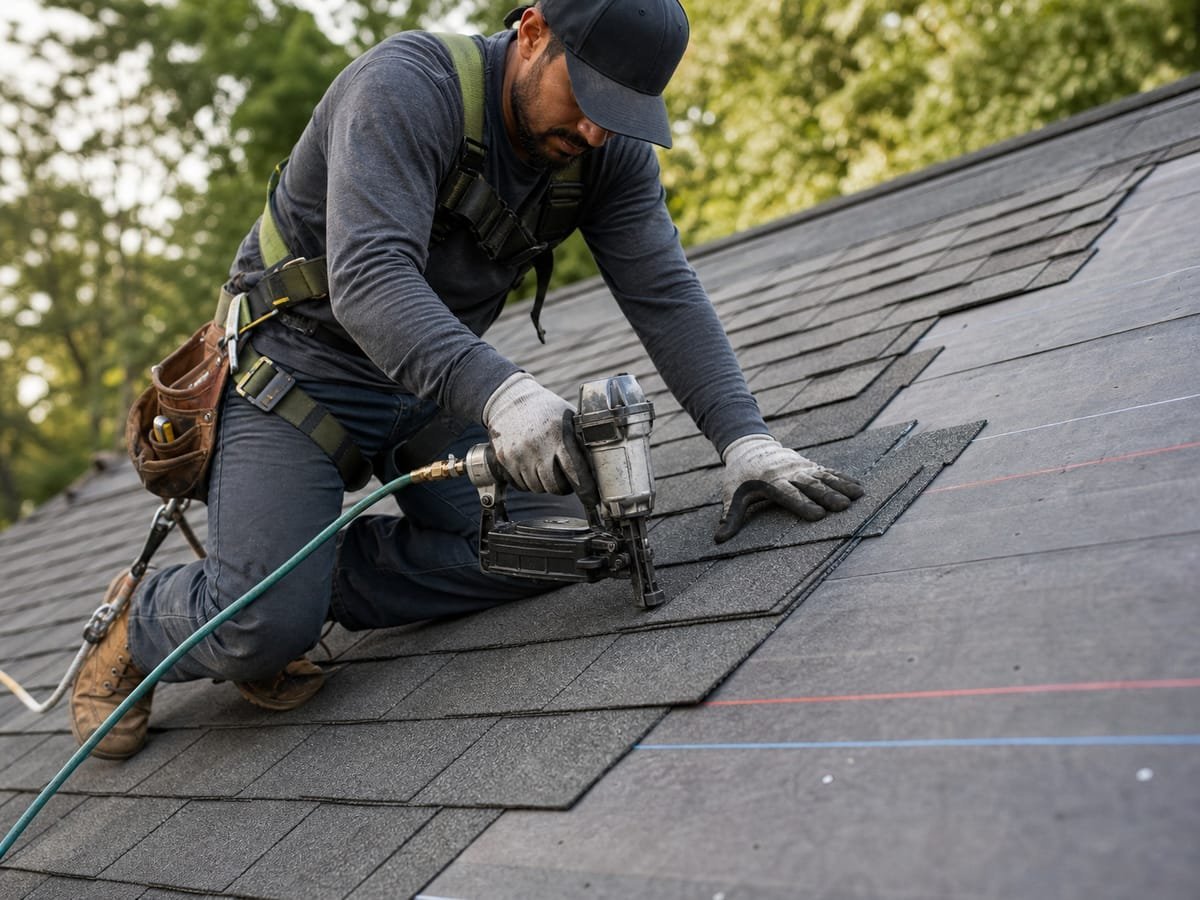
Replace an aging or failing roof with a modern, durable roofing system installed by experienced local roofing pros.
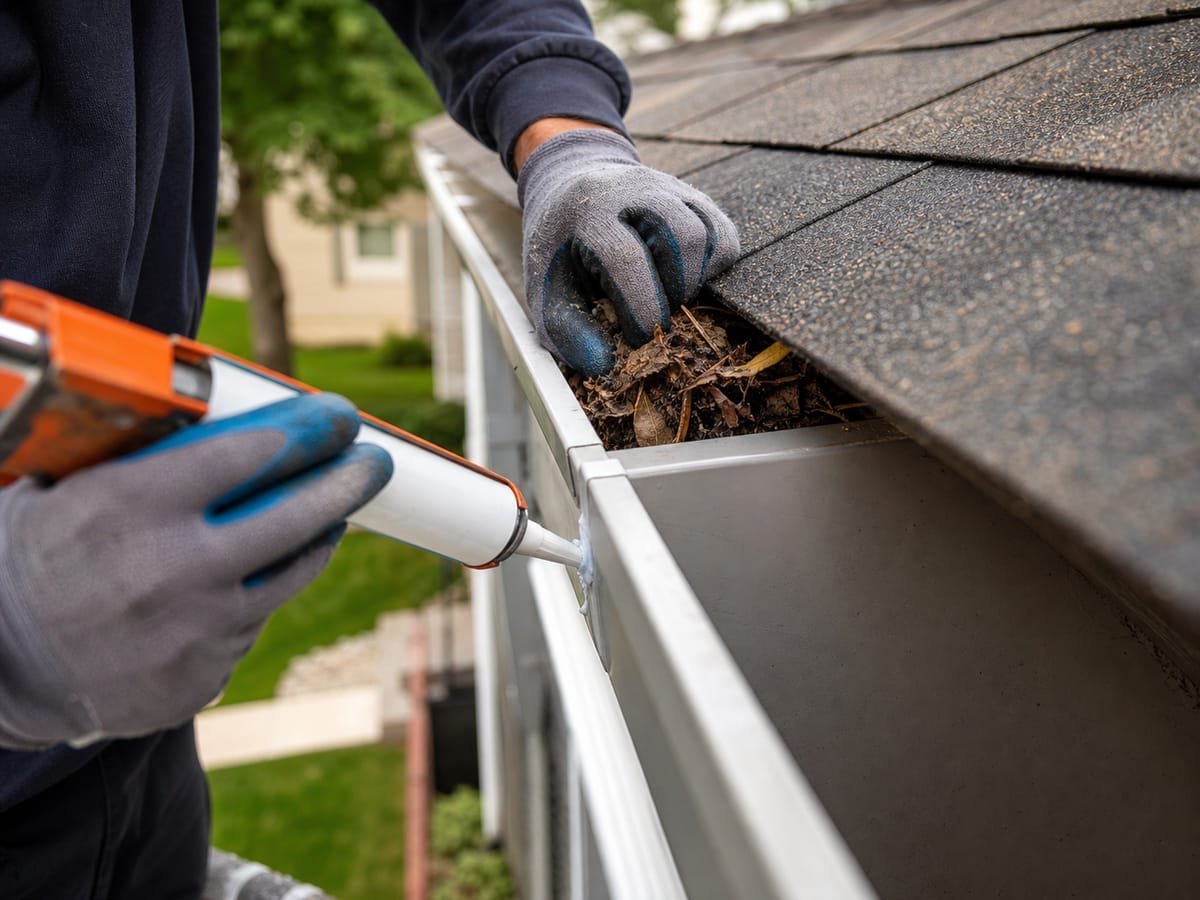
Clear clogs and repair leaks, sags, and loose sections so your gutters protect your roof, siding, and foundation.
Independent reading on questions this offer doesn't answer on its own.
No sign-up needed. No calls until you decide. Check availability, compare options, and proceed only when you're ready.