In depth
In depth
Kitchen Reconstruction: Rebuilding After Serious Damage
Not every kitchen problem can be solved with a kitchen repair or remodeled away. When a fire, a flood, or years of a hidden leak have damaged the structure, the plumbing, or the wiring, installing new cabinets over the top would be both unsafe and a waste of money. What that kitchen needs is reconstruction — a rebuild that starts with everything you can't see and works outward to the finishes you can. It restores not just how the kitchen looks, but whether it's sound and safe to use.
Reconstruction vs. Remodeling
The two are easy to confuse but fundamentally different. A remodel improves a healthy kitchen — new layout, new cabinets, new counters — because the structure underneath is fine. A reconstruction rebuilds a kitchen whose structure or systems have been damaged. The subfloor is rotted or burned, the framing is compromised, the wiring has been through a fire, or a long leak has spread damage behind the cabinets and into the walls.
Reconstruction addresses what's behind the surfaces before touching the surfaces themselves. If your kitchen is dated but undamaged, a remodel is the right project. If it's been through a fire, a flood, or a slow structural failure, reconstruction is what actually restores it.
When a Kitchen Needs Rebuilding
Several situations push a kitchen from remodel territory into reconstruction:
- Fire and smoke damage, which frequently reaches wiring and structural framing, not just visible surfaces.
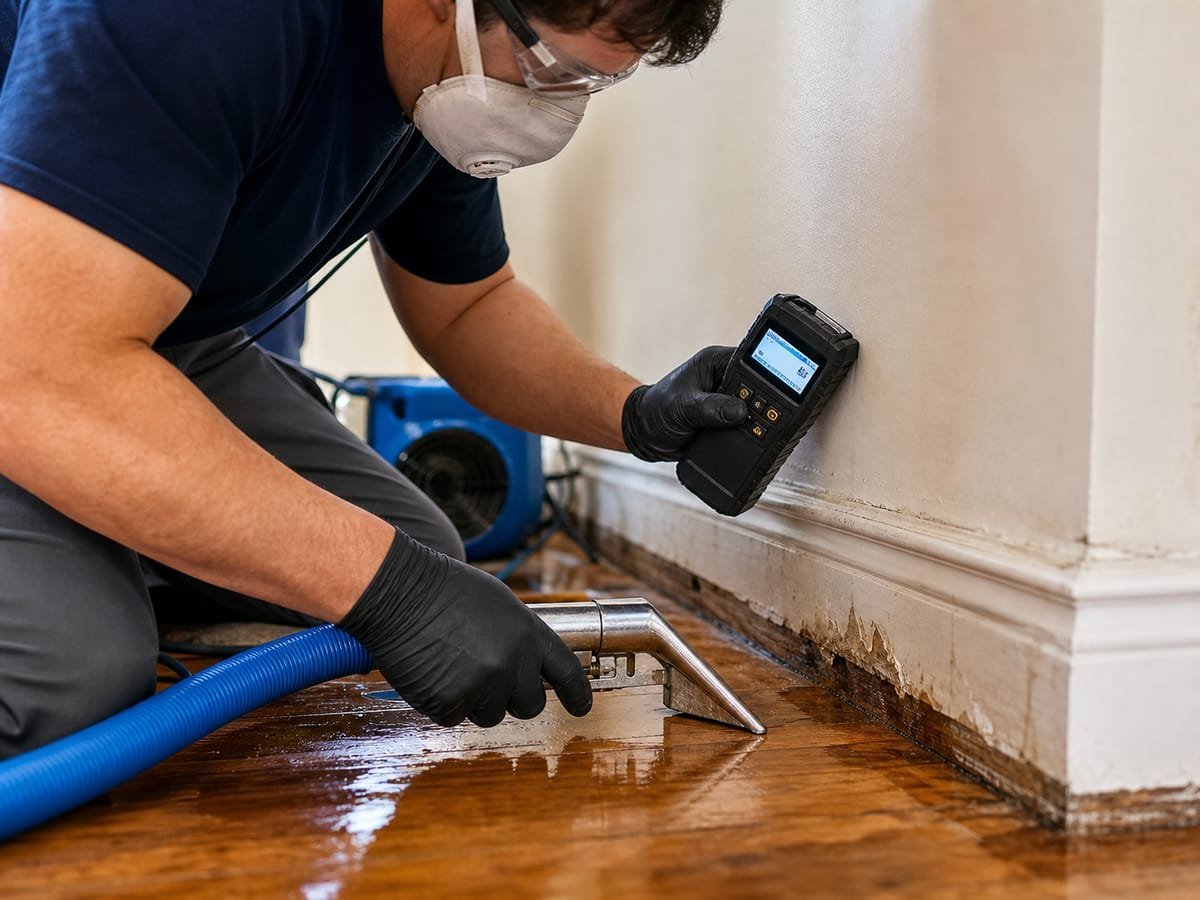
- Flooding or major water intrusion, which soaks subfloor, cabinets, and framing and can leave hidden electrical hazards.
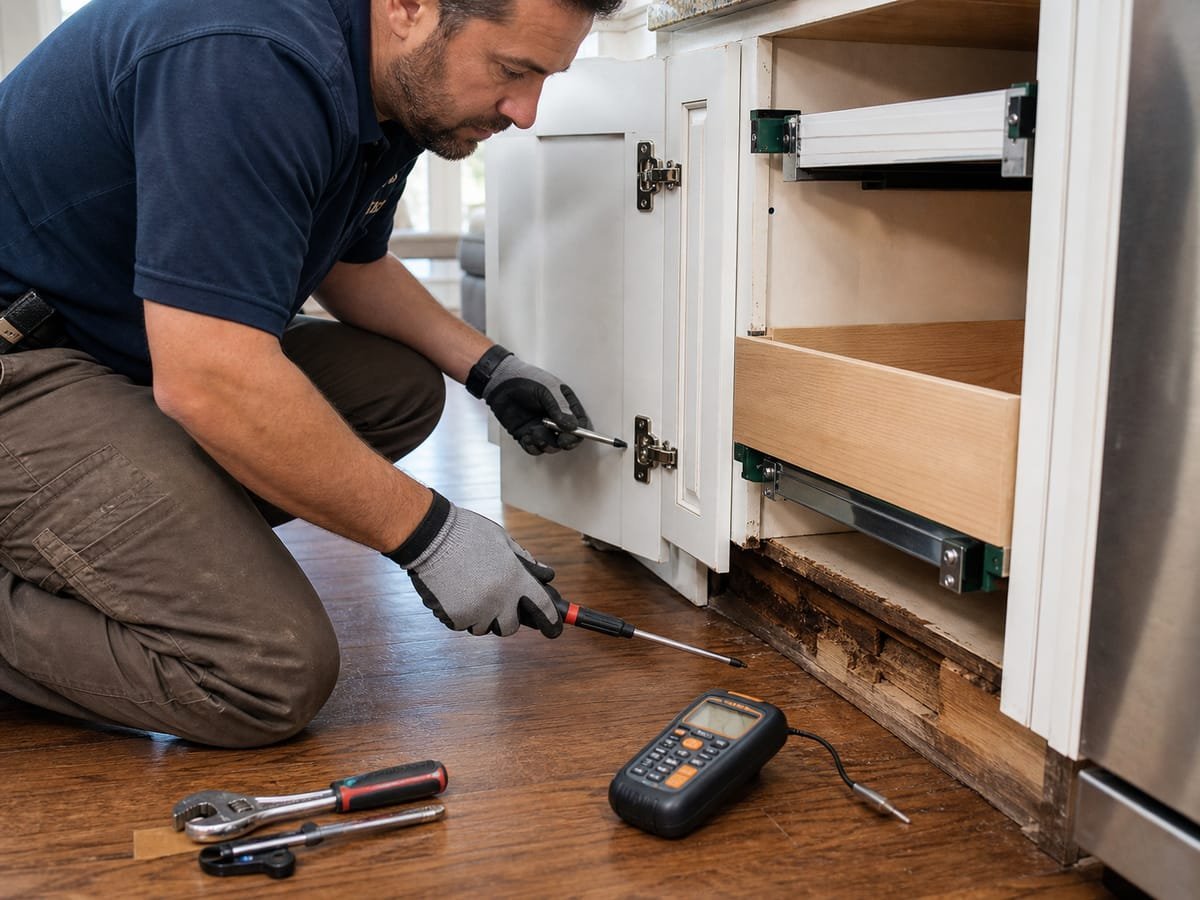
- Long-term leaks, from a supply line, drain, or dishwasher, that have quietly rotted the subfloor and base cabinets.
- Spreading mold behind cabinets and inside walls, signaling moisture that's been present a long time.
- A soft, sagging, or unstable floor, a telltale sign the structure beneath has been compromised.
A crucial safety note: a fire- or water-damaged kitchen shouldn't be relied on until it's professionally assessed. Fire can compromise structure and wiring, and water can conceal electrical dangers and mold. Get a qualified evaluation before using the room again.
The Reconstruction Process
Reconstruction follows a careful order, and each step exists for a reason.
Assessment and Documentation
The rebuild starts by determining how far the damage extends — often more than is visible until demolition begins. Thorough documentation at this stage also supports any insurance claim.
Demolition and Drying
Damaged materials are removed back to sound, trustworthy structure. Where water was involved, affected areas are dried completely before anything is rebuilt.
Correcting the Cause
This is what separates a real reconstruction from an expensive cover-up. Before rebuilding, the source of the damage is fixed — the leak repaired, the drainage corrected, the hazard eliminated. Rebuild over an unresolved cause and you simply seal the problem inside your new kitchen.
Structural and Systems Repair
Framing, joists, and subfloor are rebuilt. Because a kitchen is full of appliances, water, and electrical loads, damaged plumbing and wiring are repaired or replaced to current code — a safety-critical step. Any mold is remediated while the structure is open and easy to reach.
Finishing
Only once the room is sound and safe do new cabinets, counters, and finishes go in, over a base you can trust. The work is tested and inspected before it's considered complete.
What Drives the Cost of a Rebuild
Reconstruction pricing follows the damage, not the wish list. The major variables: how much demolition and drying the loss requires, whether structural elements (subfloor, joists, wall framing) must be replaced, how far electrical and plumbing must be brought up to current code once walls are open, and the grade of cabinets, counters, and flooring going back in. Matching existing finishes adds cost in ways people don't expect — discontinued cabinet lines and flooring often force replacing more than was damaged so the room doesn't look patched. Code upgrades deserve a special note: work that was compliant decades ago frequently isn't today, and bringing circuits, venting, or clearances up to code during a rebuild is normal and often partially covered by policies that include ordinance-or-law coverage.
How Long It Takes
Expect a rebuild to run six to twelve weeks from demolition to a working kitchen, with drying, inspections, and cabinet lead times setting the pace more than labor does. Cabinets alone commonly take four to eight weeks to arrive once ordered, which is why an experienced contractor orders them before demolition finishes. Plan realistically for life without a kitchen — a temporary cooking station with a microwave, kettle, and the refrigerator relocated to an adjacent room preserves sanity and reduces the restaurant budget that surprises many families mid-project.
The Insurance Angle
Kitchen reconstruction is frequently tied to an insurance claim, and the coverage picture hinges on the cause. Damage from a sudden, covered event — a fire, a burst pipe — is often covered. Damage from gradual leaks or deferred maintenance is commonly excluded. Because the outcome depends on specifics, the smart approach is to document the damage thoroughly, review your policy carefully, and confirm coverage directly with your insurer rather than assuming either way. Many reconstruction professionals are experienced in coordinating with claims.
An Opportunity Within the Setback
There's a silver lining to reconstruction. Because the kitchen is being opened up and rebuilt regardless, it's an efficient moment to improve things while you're at it — updating an awkward layout, modernizing wiring and plumbing, and selecting new finishes you actually want. Recovery and improvement can happen together, so the kitchen you end up with is better than the one the damage claimed.
Mistakes to Avoid After Kitchen Damage
The first mistake happens in the first week: cleaning up visible water and assuming the job is done. Water that reached the toe-kicks has usually reached the subfloor beneath the cabinets, and sealing new finishes over damp structure invites rot and mold — verified drying through professional water damage restoration should precede any rebuild, and any discovered growth should be handled through proper mold remediation, not a bleach wipe. Other missteps: accepting the insurer's first scope without your contractor reviewing it line by line, hiring the fastest available crew rather than one experienced in insurance reconstruction, and making major upgrade decisions under stress without pricing them separately from the covered work. Reconstruction is also the cheapest moment you'll ever have to improve the room — layout changes cost far less while everything is open — so it's worth an hour with the design thinking laid out in kitchen remodeling before the plan is final.