
Crawl Space Encapsulation
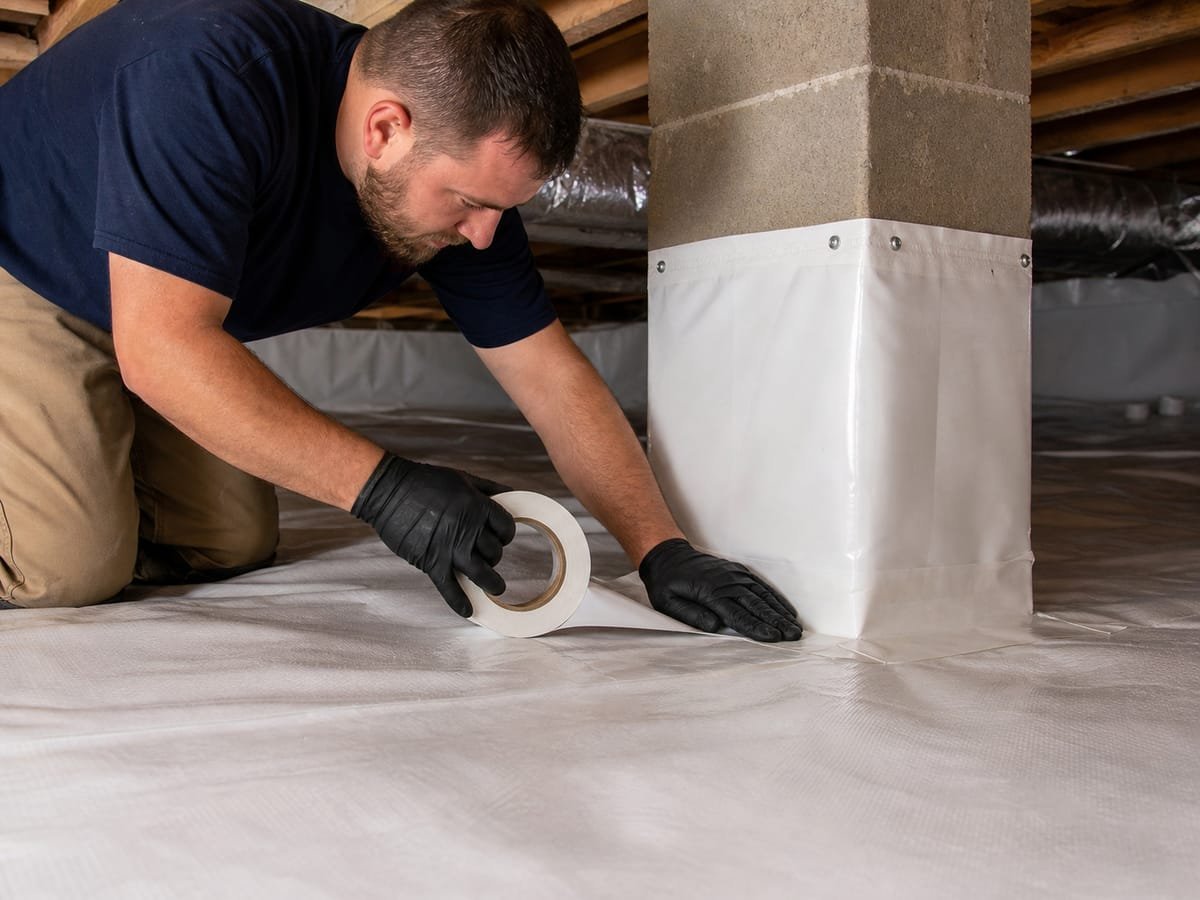
Seal your crawl space with a vapor barrier and moisture control to stop mold, wood rot, humidity, and energy loss.
A drier, healthier, more efficient home.
Compare Encapsulation Quotes

Safe containment, removal, and moisture correction — because mold always comes back if the water source behind it isn't fixed.
Mold that keeps coming back usually means the moisture problem behind it was never actually fixed. This guide explains what proper remediation involves — safe removal plus correcting the source — so the problem doesn't resurface.
Mold is a symptom, not just a stain. Wherever it's growing, it's telling you there's a moisture problem feeding it — and that's why simply wiping it away never works for long. Professional mold remediation does two jobs at once: safely containing and removing the mold without spreading spores through your home, and identifying and correcting the water source behind it. Fix only the mold and it returns; fix the moisture too, and it stays gone. Because mold exposure can affect indoor air quality and, for some people, respiratory comfort, addressing it promptly rather than putting it off is worth prioritizing.
These overlap because water, mold, and contamination often show up together — but each has a different cause and cleanup protocol.
The source is a burst pipe, appliance failure, or other clean-water leak inside the home.
The water came from outside — storm surge, rising groundwater, or a natural flood event — which usually has different insurance implications (flood insurance vs. standard homeowners).
The problem is visible or suspected mold growth, whether or not you know the original water source.
The water is contaminated — sewage backup or Category 3 water — which requires different safety protocols than a clean-water leak.
You are trying to prevent water intrusion before it happens, not clean up after an event.
You are sealing and conditioning the crawl space itself, usually to control moisture and air quality, rather than responding to a specific leak or flood.
The real-world benefits of moving forward.
Any home that has had a leak, flood, or long-term moisture is a candidate for mold that needs professional handling.
A persistent musty odor often signals hidden mold even when none is visible.
Those experiencing respiratory irritation or allergy-like symptoms indoors may be reacting to mold exposure.
Damp, poorly ventilated lower levels are common mold sites that benefit from remediation and moisture control.
Prompt professional remediation resolves mold concerns and reduces liability exposure for rental properties.
Mold findings during inspection are common deal considerations that professional remediation can resolve before closing.
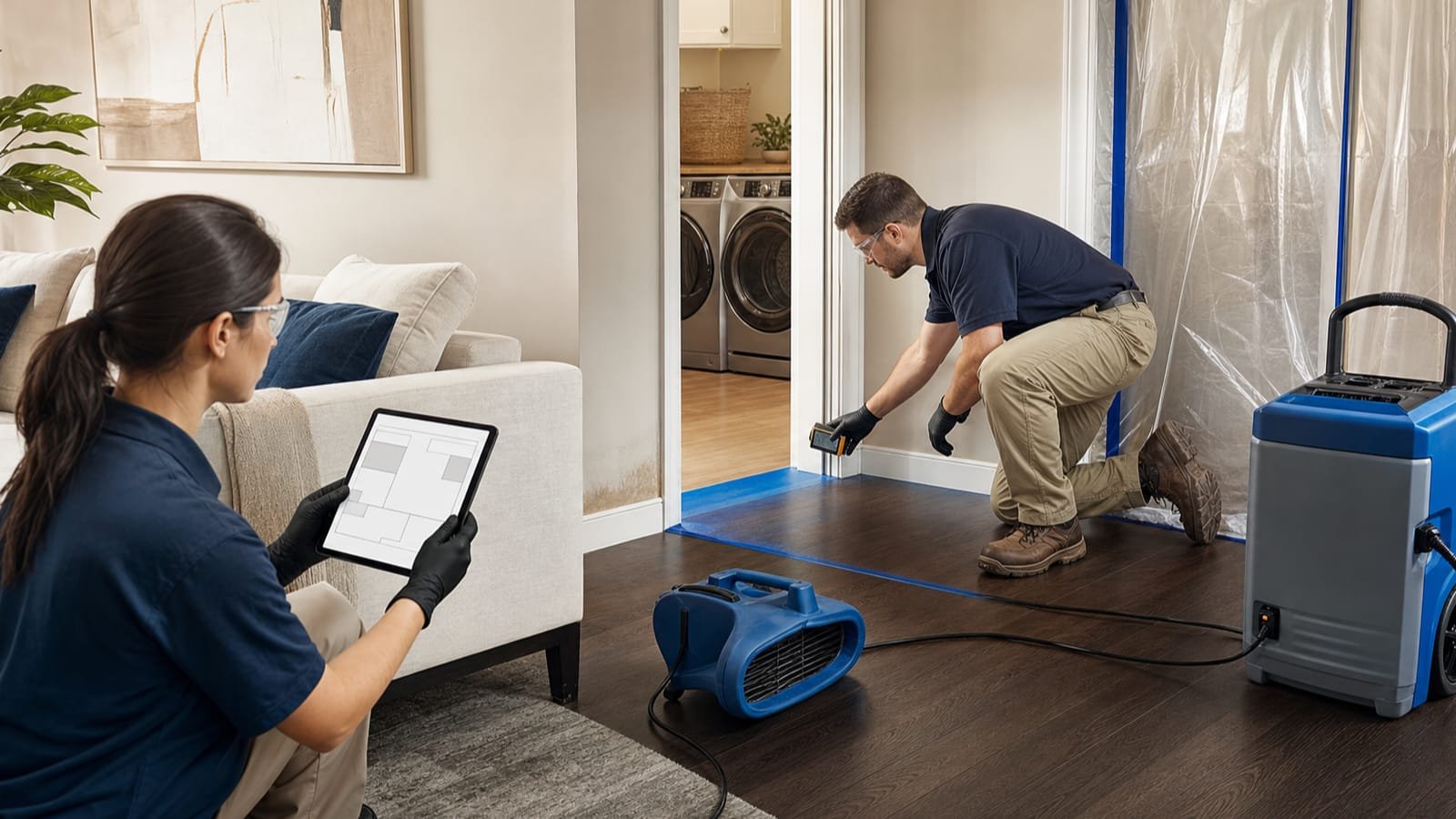
The work area is sealed off so removal doesn't spread mold spores into clean parts of the home.
Mold is removed using proper protective equipment and methods that minimize disturbance and exposure.
The leak, humidity, or water intrusion feeding the mold is identified and addressed — the step that prevents recurrence.
Porous materials mold has penetrated, such as drywall and insulation, are removed rather than surface-cleaned.
A clear look at the typical steps involved, from start to finish.
The extent of mold and, crucially, the moisture source feeding it are identified to plan effective remediation.
The area is sealed off so removal doesn't spread spores to unaffected parts of the home.
Mold is removed and porous materials it has penetrated are taken out, using proper protective methods.
The leak, humidity, or intrusion behind the mold is corrected so it doesn't return.
Surfaces are cleaned, air is treated, and the area is checked to confirm the problem is resolved.
Important points to keep in mind as you explore this offer.
Mold is a symptom of moisture — fixing the water source is essential to lasting results.
DIY cleaning can spread spores and rarely addresses the root cause.
Porous materials mold has penetrated usually must be removed, not cleaned.
Containment protects the rest of the home during removal.
Damp basements and crawl spaces need moisture control to stop recurring mold.
Sensitivity varies — limit exposure and remediate significant mold professionally.
The EPA notes that small areas of mold can often be cleaned by a homeowner, while larger areas generally call for a professional. This checklist reflects that general guidance — it isn't a diagnosis of your specific situation.
This is general information to help you prepare for a conversation with a licensed clinician — it isn't a diagnosis, treatment plan, or personalized medical advice, and it doesn't collect or store anything you enter.
Mold, moisture, and prevention are related but different problems — addressing only one of them may not solve the whole issue.
Best for: Mold that's already visible or confirmed — this addresses what's already there.
Best for: Preventing mold from coming back after remediation, or before it starts.
Best for: Homes without a current mold problem that want to reduce future risk.
This comparison describes general, commonly available options — not every provider offers every option, and actual terms, pricing, and availability depend on the specific provider and your circumstances.
Here's the single most important thing to understand about mold: it's a symptom. Mold doesn't appear randomly — it grows where there is moisture, and it will keep growing there as long as that moisture is present. This is why the homeowner who scrubs away a patch of mold, only to see it return weeks later, is so common a story. They treated the visible growth and left the actual problem — the water feeding it — untouched. Professional mold remediation is built around this truth. It does two inseparable jobs: safely removing the mold you can see, and finding and correcting the moisture source you often can't. Do only the first, and the mold comes back. Do both, and it stays gone.
Mold isn't just unsightly; it has genuine health implications that vary from person to person (the EPA's mold guidance is the authoritative starting point). Exposure can trigger allergy-like symptoms, respiratory irritation, and other reactions, and some people — those with allergies, asthma, or sensitivities — are affected more than others. Because reactions differ and because prolonged exposure is worth avoiding, the sensible approach to a significant mold problem is to limit your exposure and have it professionally remediated rather than simply living alongside it. This health dimension is also why proper remediation uses protective equipment and containment rather than a casual wipe-down.
The instinct to grab a spray bottle and deal with mold yourself is understandable, but it frequently makes things worse for two reasons. First, surface cleaning — even with bleach — only addresses what's on the surface of non-porous materials. It does nothing for mold that has grown into porous materials like drywall and insulation, and nothing for the moisture source. So it returns. Second, and more troubling, disturbing mold without containment can release and spread spores through your home's air, seeding new growth in previously clean areas. What looked like a small, contained problem becomes a distributed one. This is precisely why professionals contain an area before they remove anything.
It's worth clarifying the term, because expectations matter. "Mold removal" suggests eliminating every trace of mold from a home — which isn't actually realistic, since mold spores exist naturally in the air everywhere. Remediation is the more accurate and honest concept: returning mold to safe, normal levels and, critically, correcting the conditions that allowed it to flourish. The goal isn't a promise that mold is gone forever, which no honest professional can offer; it's controlling the growth and, above all, eliminating the moisture that let it get out of hand. A remediation provider who talks about fixing the moisture source is one who understands the job.
Effective mold remediation follows a logical sequence. It begins with assessment — determining how far the mold has spread and, just as importantly, identifying the moisture source feeding it. Next comes containment, sealing off the work area so removal doesn't spread spores to clean parts of the home. Then removal, taking out the mold and the porous materials it has penetrated, using protective equipment and careful methods. The pivotal step is moisture correction — fixing the leak, humidity problem, or water intrusion behind the growth, without which everything else is temporary. Finally, cleaning and verification: surfaces are cleaned, the air is treated to reduce airborne spores, and the area is checked to confirm the problem is genuinely resolved.
Because mold is always a moisture story, effective remediation means being a bit of a detective about where the water is coming from. Sometimes it's obvious — a recent leak or a past flood. Often it's more subtle: a slow plumbing drip inside a wall, chronic condensation, high indoor humidity, or a damp basement or crawl space that never fully dries. This is why mold problems so often connect to other home issues. A home recovering from water damage or a sewage backup needs mold addressed as part of the recovery. And recurring mold in a lower level frequently points to a need for basement waterproofing or crawl space encapsulation to control the moisture at its source. Remediation that ignores these connections is remediation that will be repeating itself.
The good news embedded in all of this is that mold prevention is entirely within reach, because it comes down to moisture control. Fix leaks promptly rather than letting them linger. Keep indoor humidity in a reasonable range. Ensure bathrooms, kitchens, and laundry areas are well ventilated so moisture escapes. And address chronically damp spaces — the basements and crawl spaces where mold loves to settle — through proper waterproofing or encapsulation. Mold cannot grow without water, so every step that keeps your home dry is a step that keeps mold from coming back. This is the lasting payoff of doing remediation right: not just a clean surface today, but conditions that don't invite the problem back.
Remediation pricing follows containment and scope: a contained patch in one bathroom is a modest project, while growth spread through wall cavities, HVAC systems, or multiple rooms — requiring negative-air containment, extensive removal, and post-remediation verification — scales up accordingly. What you're paying for is process, not spray: setup and containment, protective removal, HEPA cleaning, and clearance conditions that can be verified. On insurance, the honest answer is it depends on the water: homeowners policies commonly cover mold that resulted from a sudden, covered water event (a burst pipe), often subject to specific mold limits, while mold from long-term leaks, neglect, humidity, or flooding is commonly excluded. Read your policy's mold provisions before you need them, document the water source thoroughly, and involve your insurer early when the cause is plausibly covered.
Mold occupies a strange market position: genuinely important to handle well, and routinely oversold by fear. Signals of a trustworthy remediator: they investigate and name the moisture source before quoting; they scope containment proportionate to the actual growth rather than treating every job as a hazmat scene; they explain what stays and what goes; they support (or welcome) independent post-remediation verification rather than grading their own homework; and they decline to do the plumbing, roofing, or drainage repair themselves without disclosure — separation between finding the problem and profiting from the fix keeps everyone honest. Red flags: no-cost "mold tests" that always find an emergency, quotes delivered before any moisture investigation, and guarantees that mold will "never return" without fixing water. Remember the dependency chain: remediation succeeds only after water damage restoration or the underlying repair has ended the moisture, and chronically damp below-grade spaces stay mold-prone until basement waterproofing or crawl space encapsulation changes the environment itself.
Mold is one of those home problems where the obvious fix and the real fix are different things. Wiping away the stain feels like solving it; actually solving it means removing the mold safely and correcting the moisture that caused it. Professional remediation that contains the area, removes what's affected, fixes the water source, and verifies the result is what turns a recurring frustration into a resolved one. If you're seeing mold, smelling a persistent musty odor, or dealing with the aftermath of water intrusion, connecting with remediation professionals who treat the moisture source as seriously as the mold itself is the path to a genuinely healthier home.
Facts and figures in this guide that come from an outside authority are backed by the sources below. Pricing, program rules, and eligibility details change — always confirm current specifics with the source directly or a licensed professional before acting.
Still have questions? The FAQ below covers the most common ones. Or use the button to check availability — there's no cost and no obligation.
A qualified provider should contain the affected area before removal, to help prevent the spore spread that DIY attempts often cause.
Reputable teams correct the moisture source, because remediation without it simply invites the mold back.
Proper protective equipment and air treatment protect both occupants and workers.
Mold exposure can cause allergy-like symptoms, respiratory irritation, and other reactions, and sensitivity varies from person to person, with some people affected more than others. Because of these health considerations, it's wise to limit exposure and have significant mold professionally remediated rather than living alongside it.
Surface cleaning may remove visible mold on non-porous surfaces temporarily, but it doesn't address mold that has penetrated porous materials or the moisture source feeding it, so it typically returns. DIY cleaning can also disturb mold and spread spores. Meaningful mold problems need professional remediation.
Because the moisture source behind it was never fixed. Mold needs water to grow, so unless the leak, humidity, or intrusion feeding it is corrected, it regrows no matter how often you clean. Correcting the moisture source is the single most important part of lasting remediation.
Testing can help identify the type and extent of mold and confirm remediation success, and it's sometimes useful for hidden or disputed situations. But visible mold generally needs remediation regardless of testing. A professional can advise whether testing adds value in your specific case.
Cost depends on the size of the affected area, how far mold has spread, the materials involved, and the moisture source that must be corrected. A small, contained area costs far less than widespread growth requiring material removal. An assessment gives the most accurate estimate.
The terms overlap, but remediation is the broader, more accurate concept: it means returning mold to safe, normal levels and correcting the conditions that caused it, not just wiping away what's visible. Complete elimination of all mold spores from a home isn't realistic, but controlling growth and moisture is.
Control moisture. Fix leaks promptly, keep indoor humidity in check, ensure good ventilation in bathrooms and kitchens, and address damp basements and crawl spaces through waterproofing or encapsulation. Mold can't grow without moisture, so moisture control is the heart of prevention.
Continue your research with the most closely related offers, or browse every Home Services offer.
Seal your crawl space with a vapor barrier and moisture control to stop mold, wood rot, humidity, and energy loss.
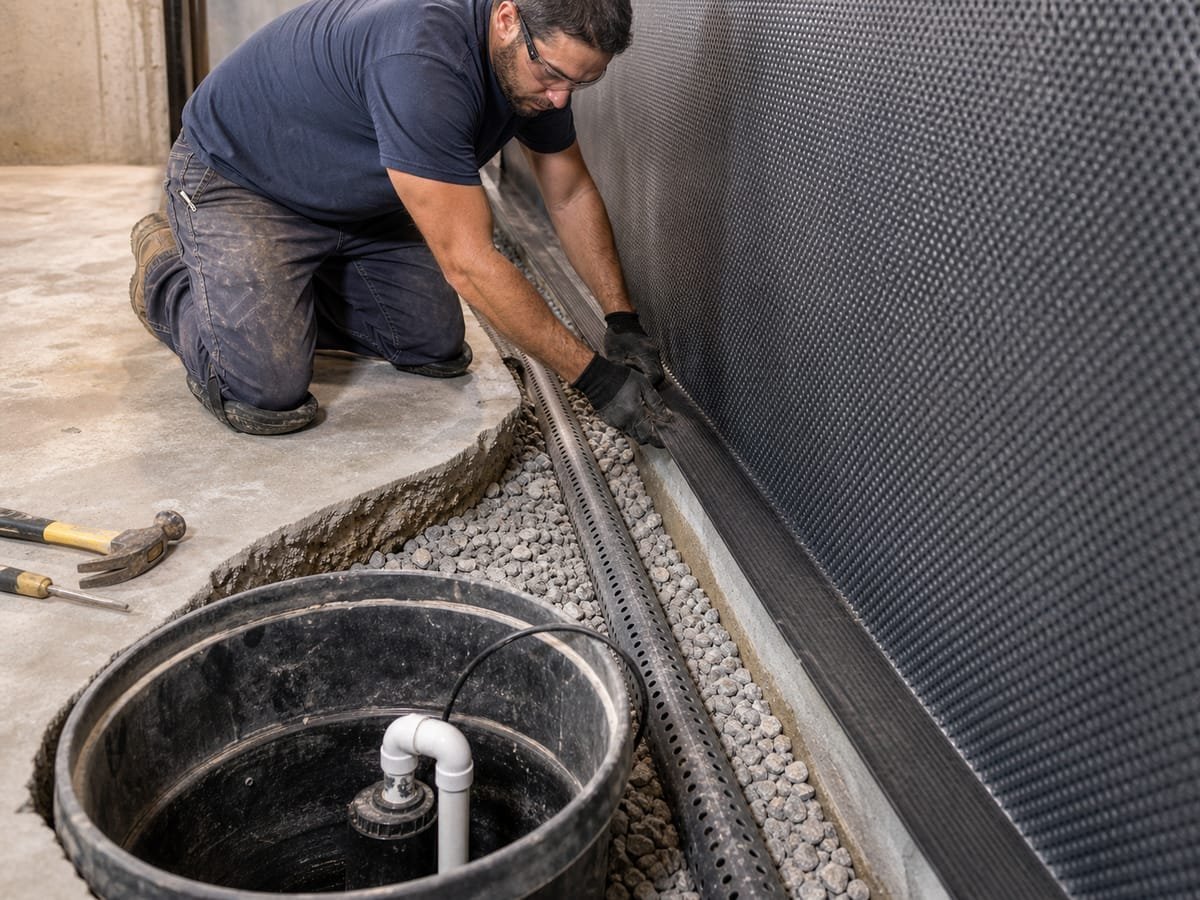
Stop basement leaks and dampness with proper drainage, sealing, and sump systems that address water at its source.
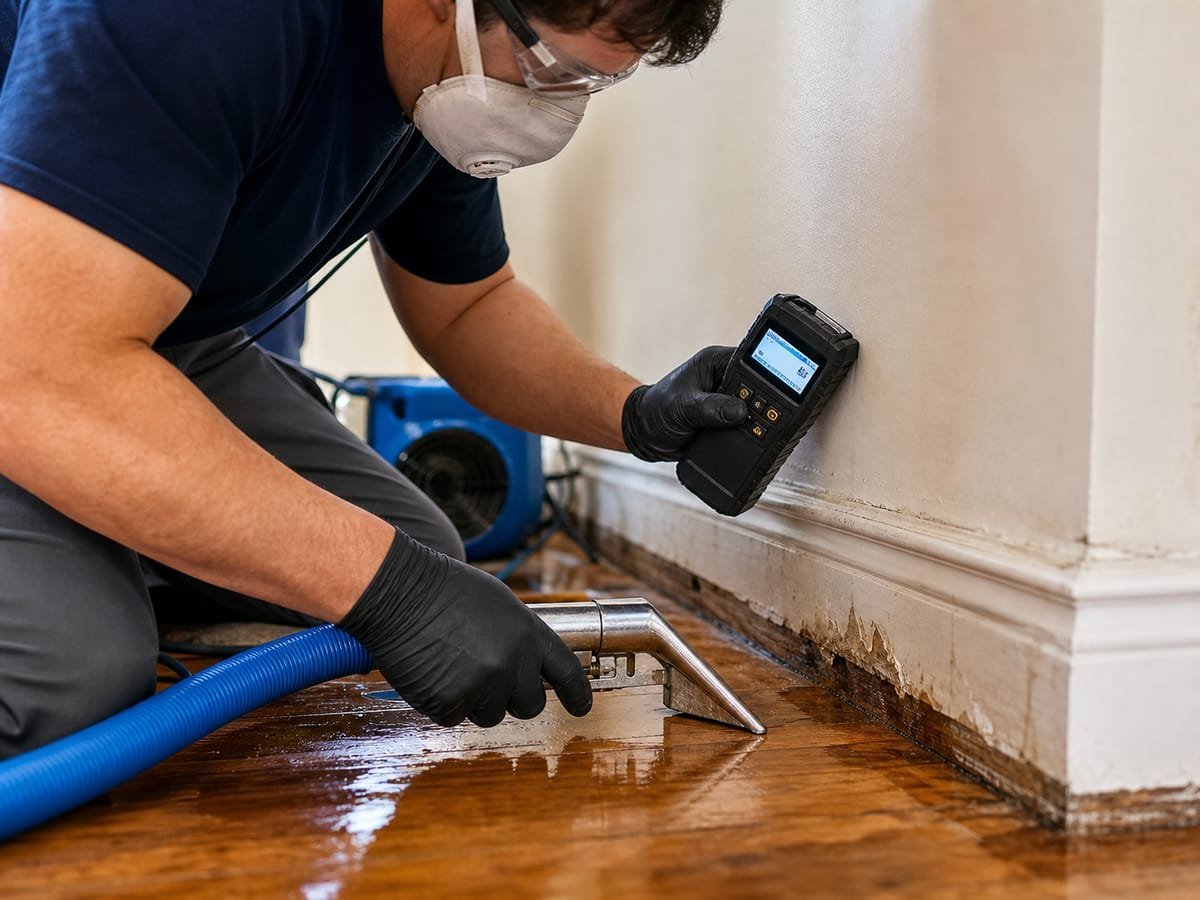
Rapid water extraction, drying, and restoration after leaks, burst pipes, or storm intrusion — before mold and structural damage set in.
Independent reading on questions this offer doesn't answer on its own.
No sign-up needed. No calls until you decide. Check availability, compare options, and proceed only when you're ready.