Health priority
Home Services

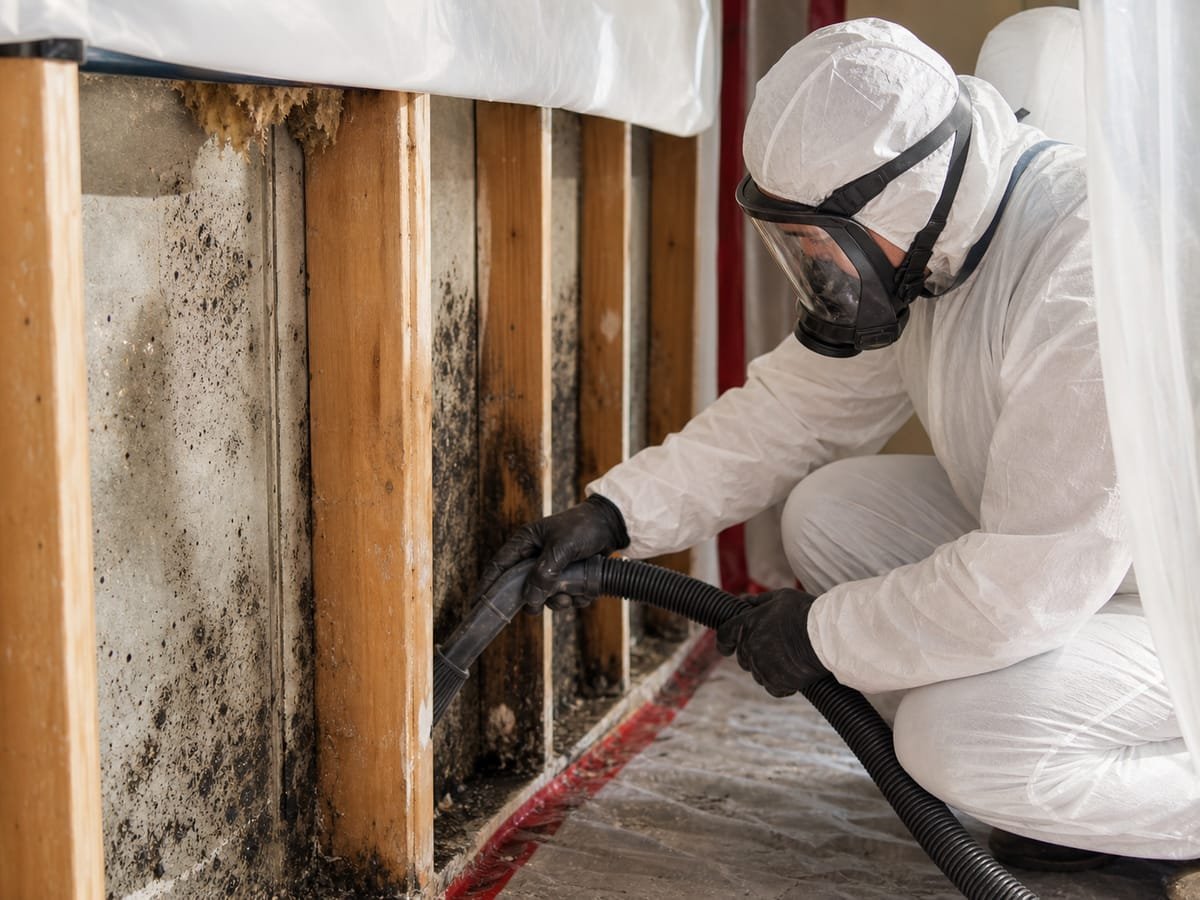
Mold Remediation
Safely contain, remove, and prevent mold — and correct the moisture source so it doesn't return.
Remove mold safely and stop it coming back.
Find Mold Remediation Pros

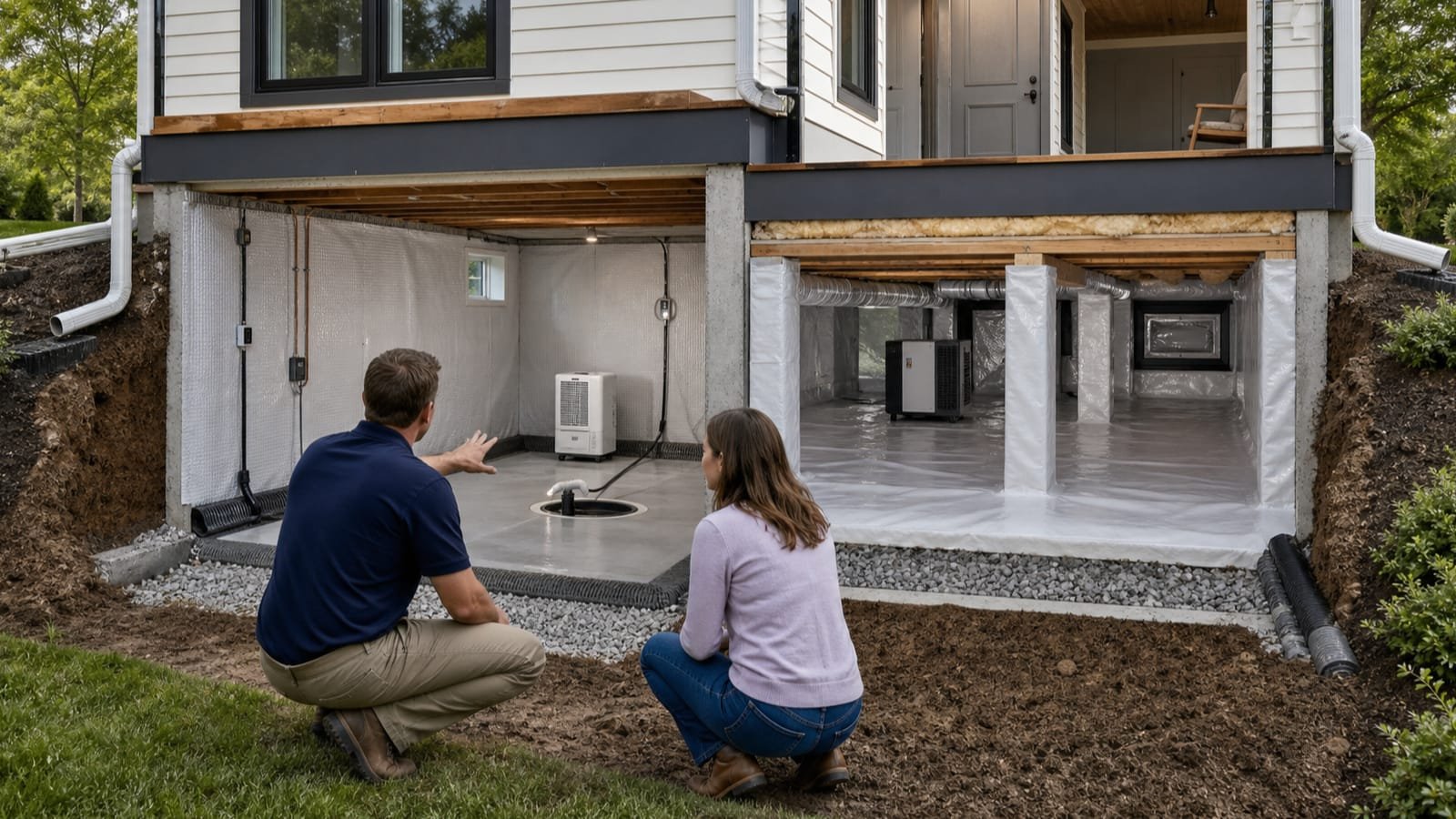
A damp, vented crawl space feeds moisture, mold, and energy loss into your whole house — sealing it changes the air you live in.
A damp, vented crawl space can quietly affect the air quality and energy bills throughout your entire home, not just the space below it. This guide explains how encapsulation works and what the process typically involves.
The crawl space under your home has more influence on the air you breathe than most homeowners realize. A traditional vented crawl space draws in humid outside air and ground moisture, creating damp conditions that feed mold, rot wooden framing, and rise into your living space through what's known as the stack effect. Crawl space encapsulation seals that space with a durable vapor barrier and moisture control, transforming a damp liability into a dry, clean foundation for a healthier, more efficient home. Pairing encapsulation with a dehumidifier or proper drainage, where conditions call for it, is often what determines whether the space actually stays dry long-term.
These overlap because water, mold, and contamination often show up together — but each has a different cause and cleanup protocol.
The source is a burst pipe, appliance failure, or other clean-water leak inside the home.
The water came from outside — storm surge, rising groundwater, or a natural flood event — which usually has different insurance implications (flood insurance vs. standard homeowners).
The problem is visible or suspected mold growth, whether or not you know the original water source.
The water is contaminated — sewage backup or Category 3 water — which requires different safety protocols than a clean-water leak.
You are trying to prevent water intrusion before it happens, not clean up after an event.
You are sealing and conditioning the crawl space itself, usually to control moisture and air quality, rather than responding to a specific leak or flood.
The real-world benefits of moving forward.
Traditional vented crawl spaces invite humidity and are prime candidates for encapsulation.
Musty smells rising into living areas often originate in a damp crawl space below.
Moisture-driven mold and joist decay under the home are addressed by sealing out the moisture.
Those wanting healthier indoor air and lower energy bills benefit from a sealed, controlled crawl space.
A damp crawl space attracts pests, and sealing it out removes a habitat many owners don't realize they have.
Crawl space moisture is a common inspection flag that encapsulation can resolve ahead of time.
A durable liner seals the ground and walls, blocking the soil moisture that keeps a crawl space damp.
Outside vents and openings that let in humid air are sealed as part of converting to a controlled, dry space.
Dehumidification or conditioning keeps the encapsulated space dry, preventing the return of damp conditions.
Where water intrudes, drainage and a sump can be added so the encapsulated space stays reliably dry.
A clear look at the typical steps involved, from start to finish.
The crawl space is evaluated for moisture, mold, water intrusion, and the condition of framing and insulation.
Debris and any existing mold are addressed, and the space is prepared for sealing.
A heavy-duty liner is installed over the ground and walls, and vents and gaps are sealed.
Dehumidification or conditioning is added, along with drainage and a sump where water intrusion exists.
The sealed space is checked to confirm it stays dry and controlled, protecting the home above.
Important points to keep in mind as you explore this offer.
Crawl space air rises into your living space — its condition affects the air you breathe.
Open vents often add humidity rather than removing it in many climates.
Address existing mold and water intrusion as part of encapsulation.
Encapsulation targets the moisture source behind under-home mold and rot.
Pairing with insulation improves efficiency and floor comfort.
A controlled crawl space eases HVAC load and can improve energy performance.
Crawl space moisture affects indoor air quality and can contribute to mold growth per EPA guidance. These questions can help frame a conversation with a contractor.
This tool is meant to help you organize your own thinking and the questions you ask a provider — it isn't personalized financial, legal, medical, or contracting advice, and it doesn't collect or store anything you enter.
Full encapsulation is one of a few common approaches to crawl space moisture — here's how it compares.
Best for: Crawl spaces with ongoing moisture, musty odors, or a desire to bring the space fully under conditioned control.
Best for: A drier crawl space that mainly needs ground moisture blocked, without full encapsulation.
Best for: Homes in climates where code or convention favors venting over sealing.
This comparison describes general, commonly available options — not every provider offers every option, and actual terms, pricing, and availability depend on the specific provider and your circumstances.
Ask a homeowner to point to the part of their house that most affects their indoor air quality, and few would point down — to the dark, often-forgotten crawl space beneath the floor. Yet that overlooked space has an outsized influence on the home above it, and understanding why is the key to understanding encapsulation. Because of a phenomenon called the stack effect, air moves upward through a house, which means a significant portion of the air you breathe in your living space actually rises from the crawl space below. If that space is damp, moldy, and full of humid ground air, so, to a degree, is your home. Crawl space encapsulation seals that space off from moisture, transforming a damp liability into a dry, clean foundation that protects both the structure and the air.
For decades, crawl spaces were built with vents to the outside, on the theory that airflow would keep them dry. In practice, in many climates, this often backfires. Open vents draw in humid outside air, and when that warm, moist air meets cooler surfaces under the home, it condenses — adding moisture rather than removing it. Combined with moisture rising from the bare earth of the crawl space floor, the result is a chronically damp environment. That dampness is the root of a cascade of problems: it feeds mold, it rots the wooden joists and framing that hold up your floors, it drives up the humidity in your whole home, and it can drag down energy efficiency. The vented crawl space, meant to stay dry, frequently becomes a moisture generator sitting directly beneath your living space.
Encapsulation flips the approach: instead of trying to ventilate moisture away, it seals moisture out. The core of the process is installing a heavy-duty vapor barrier — a durable liner that covers the ground and often the walls, blocking the soil moisture that keeps the space damp. The outside vents and gaps that let in humid air are sealed, converting the crawl space from an open, uncontrolled area into a closed, controlled one. Finally, humidity control — typically dehumidification or conditioning — keeps the sealed space dry over the long term. Where water actively intrudes, drainage and a sump are added so the space stays reliably dry rather than trapping water under the liner. The result is a clean, dry crawl space that no longer feeds moisture into the home.
The payoffs of encapsulation reach well beyond the crawl space itself. Because the space is dry, the conditions that feed mold and wood rot are removed, protecting the structural framing that supports your floors. Because crawl space air rises into the home, indoor air quality improves and the musty odors that often originate below fade. Because the space is sealed and controlled, humidity drops throughout the house, easing the strain on your HVAC system and making floors feel warmer and more comfortable. And because moisture and outside air are no longer freely infiltrating, <a href="https://www.energystar.gov/saveathome/seal_insulate/basement_crawlspace" target="_blank" rel="noopener">energy efficiency generally improves, though actual savings vary by home and climate. In short, sealing the space under your home improves the durability, comfort, healthiness, and efficiency of everything above it.
Like a wet basement, a damp crawl space is fundamentally a moisture problem, and mold is its most common symptom. This is why encapsulation is such an effective long-term answer to under-home mold: by sealing out ground and outside moisture and controlling humidity, it removes the very thing mold needs to grow. If mold is already established, it typically needs to be remediated first, with encapsulation then preventing its return by keeping the space dry. Addressing the moisture source is what makes the difference between mold that keeps coming back and mold that's genuinely resolved — the same principle that governs mold control everywhere in the home.
A common and important question is what happens when a crawl space already has water or mold. The answer is that these conditions must be addressed as part of the project, not sealed over. Simply laying a vapor barrier on top of an active water intrusion doesn't work — the water needs somewhere to go, which is why drainage and a sump are included where intrusion exists. Existing mold and debris are handled before sealing. A quality encapsulation provider treats the crawl space as a system, managing the water source and existing conditions alongside installing the barrier, so the finished result actually stays dry. Encapsulation that ignores an active moisture source is encapsulation that will fail.
Pricing scales with square footage, access difficulty, and how much correction precedes the encapsulation itself — standing water, existing mold, sagging insulation, or pest damage must be addressed before liner goes down. The core installation is methodical: debris removal and surface prep, sealing vents and outside-air openings, fitting a heavy-gauge vapor barrier across the ground and up the walls with sealed seams and mechanical fastening, insulating per the design, and adding conditioned air or a dedicated dehumidifier to hold humidity in the safe range. Most projects finish within two to four days. Liner thickness, seam detailing, and wall attachment are where quality quietly lives — a bargain encapsulation with a thin, loosely-laid liner is a ground cover, not an encapsulation, and the difference shows up in a few humid summers.
Ask how the contractor will handle existing moisture and drainage (a good one adds a drain or sump when conditions call for it, rather than sealing water in), what humidity target the system is designed to hold and how it will be maintained, whether the dehumidifier drains passively or needs service, what the liner's thickness and warranty are, and how combustion appliances in the crawl space will get safe air once vents close — a real design consideration, not a detail. The common homeowner mistakes: encapsulating over an unresolved water problem (the below-grade equivalent of the errors that keep basement waterproofing contractors returning), treating existing fungal growth as something the liner will smother when it should be handled through proper remediation first, and never re-entering the space again — an annual look at the liner, humidity readings, and dehumidifier keeps a good system good for decades.
Crawl space encapsulation is one of those improvements whose benefits are largely invisible but broadly felt — in cleaner air, drier conditions, protected framing, and a more efficient, comfortable home. For homes with damp, vented crawl spaces, musty odors, or moisture-driven mold and rot below, sealing the space is a direct way to address the problem at its source rather than fighting its symptoms upstairs. Connecting with professionals who install a complete vapor barrier and moisture-control system, and who handle any water intrusion and existing conditions properly, is the way to turn the forgotten space under your home into a foundation for a healthier one.
Facts and figures in this guide that come from an outside authority are backed by the sources below. Pricing, program rules, and eligibility details change — always confirm current specifics with the source directly or a licensed professional before acting.
Still have questions? The FAQ below covers the most common ones. Or use the button to check availability — there's no cost and no obligation.
Listed pros install a full vapor barrier and moisture control, not a partial liner that leaves the space damp.
Reputable teams address any water intrusion and humidity so the encapsulation stays effective.
Quality encapsulation improves indoor air and energy performance, not just appearances.
Encapsulation seals a crawl space from ground and outside moisture by installing a heavy-duty vapor barrier over the floor and walls, sealing vents and gaps, and controlling humidity with dehumidification or conditioning. It converts a damp, vented space into a dry, controlled one that protects the home above.
Because a large share of the air in your home rises from below through the stack effect, meaning crawl space air becomes the air you breathe. A damp crawl space feeds mold, rots wooden framing, raises indoor humidity, and can reduce energy efficiency. Sealing it improves the whole home's air and durability.
For moisture control, sealing is generally more effective than traditional venting in many climates, because open vents often let in humid outside air that condenses and adds moisture rather than removing it. Encapsulation with humidity control keeps the space dry. The best approach can depend on your climate, so a professional assessment helps.
Yes, by removing the moisture mold needs to grow. Because mold is a moisture problem, sealing out ground and outside moisture and controlling humidity addresses the root cause under your home. Existing mold may need remediation first, with encapsulation preventing its return.
It often improves efficiency by reducing humidity and stabilizing temperatures under the home, which can ease the load on your HVAC system and make floors more comfortable. Actual savings vary by home and climate, but a controlled crawl space generally performs better than a damp, vented one.
Cost depends on the size of the crawl space, its condition, the materials used, and whether drainage, a sump, or dehumidification are needed. A straightforward vapor barrier installation costs less than a full system with moisture control and drainage. An assessment gives the accurate figure for your home.
Water intrusion should be addressed as part of the project — often with drainage and a sump — so the encapsulated space stays dry. Sealing over an active water problem without managing it isn't effective, so a good provider handles the water source alongside the vapor barrier.
Continue your research with the most closely related offers, or browse every Home Services offer.
Safely contain, remove, and prevent mold — and correct the moisture source so it doesn't return.
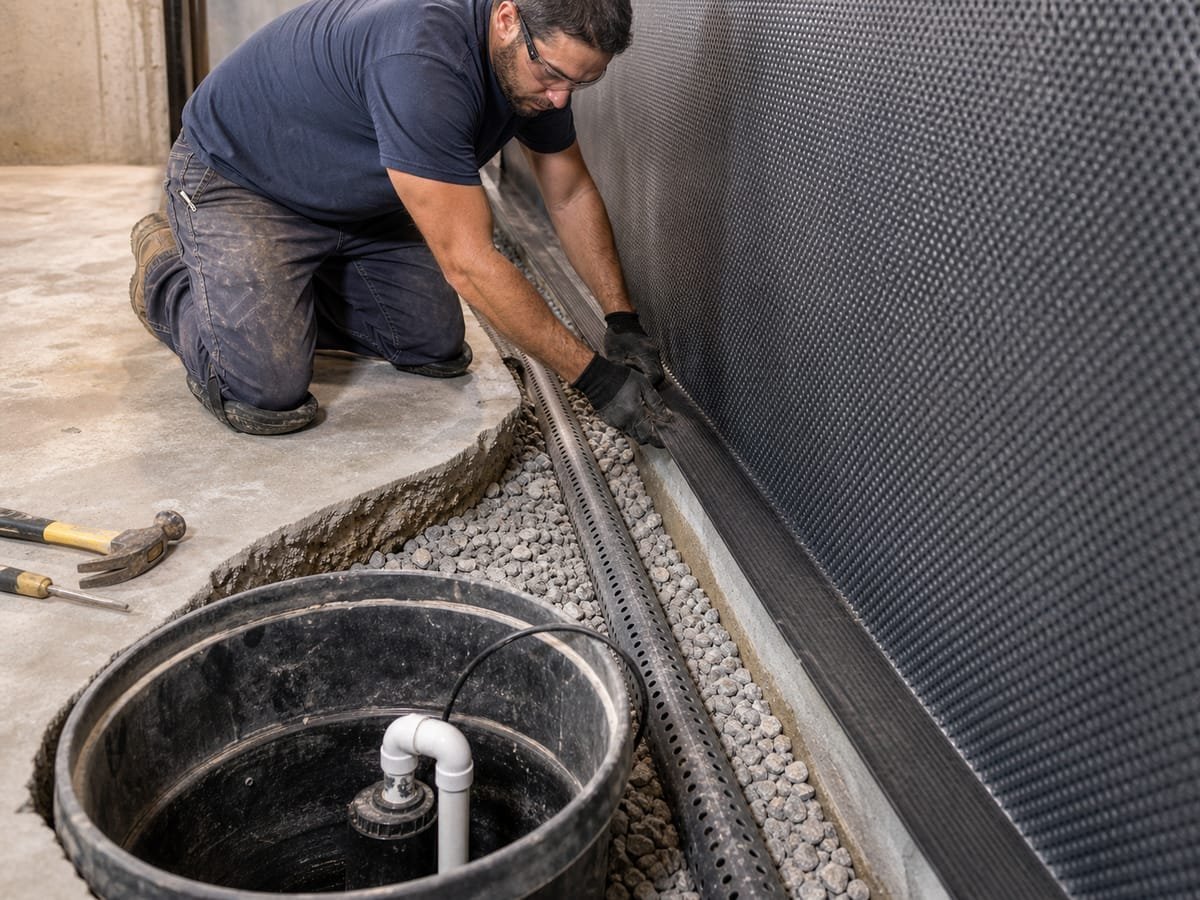
Stop basement leaks and dampness with proper drainage, sealing, and sump systems that address water at its source.
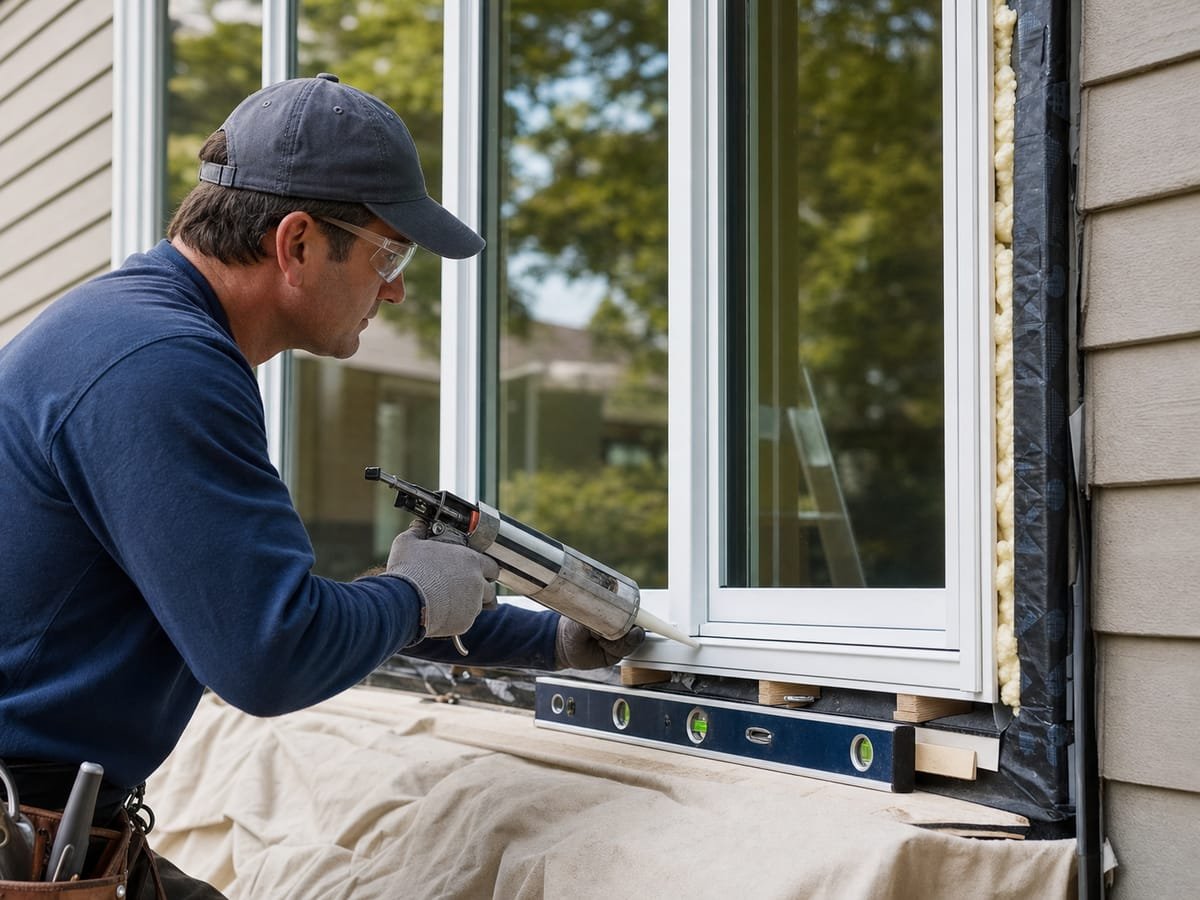
Compare energy-efficient replacement windows, real installation costs, and experienced local installers for your home.
Independent reading on questions this offer doesn't answer on its own.
No sign-up needed. No calls until you decide. Check availability, compare options, and proceed only when you're ready.