Roof Repair
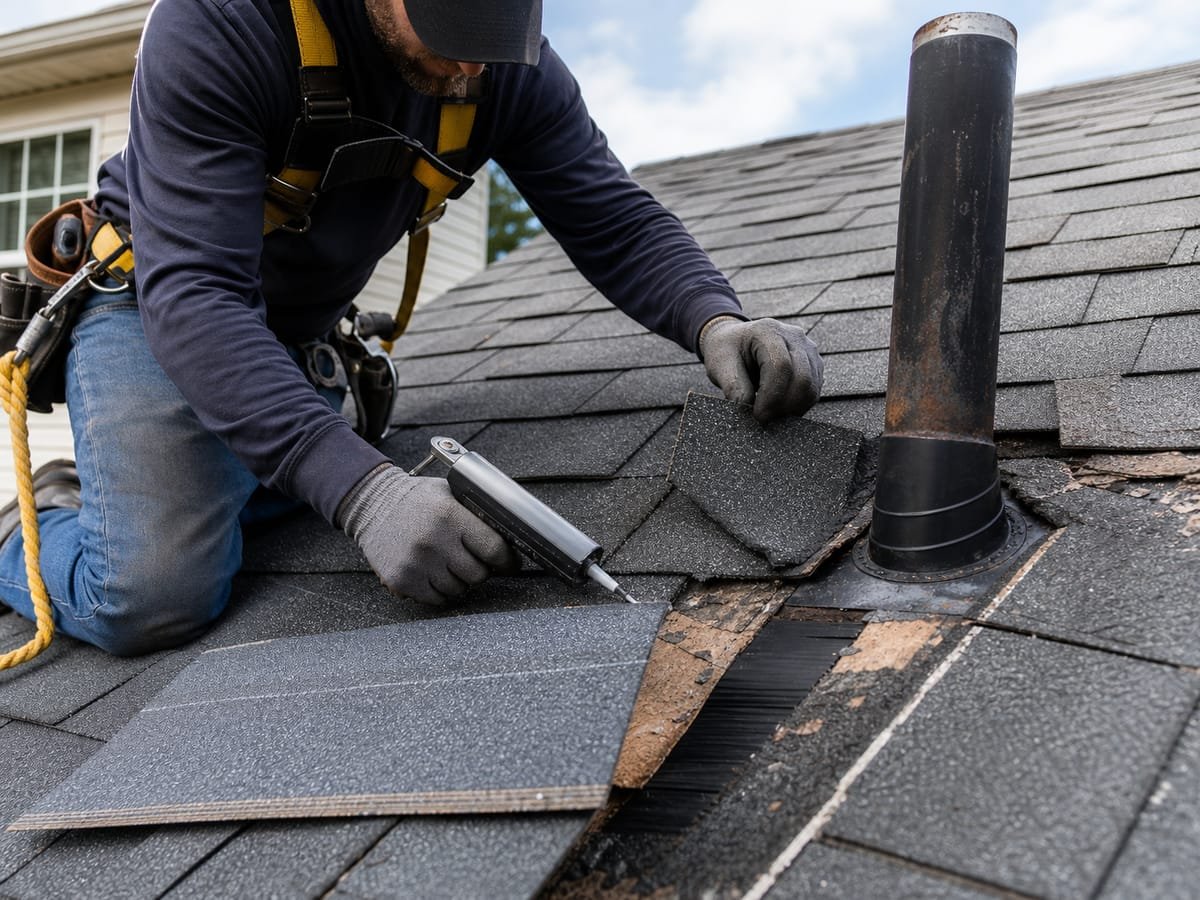
Repair roof leaks, damaged shingles, and worn flashing before small problems turn into costly structural damage.
A professional inspection surfaces hidden damage, estimates remaining lifespan, and gives you the facts to plan and budget with confidence.
Most of your roof stays out of view until a problem already exists, which makes it easy to miss developing damage. This guide explains what a professional inspection actually covers and when it's worth scheduling one.
You can't manage what you can't see, and most of your roof is out of sight until something goes wrong. A professional roof inspection changes that — surfacing hidden damage, estimating how many years your roof has left, and giving you clear, objective facts to plan around. Whether you're buying a home, recovering from a storm, or simply staying ahead of maintenance, an inspection is one of the least expensive and most valuable steps you can take to protect your biggest investment. Scheduling an inspection on a regular cadence, rather than only after something goes wrong, is what turns it from a reactive expense into genuine preventive maintenance.
Not sure whether you need a fix, an assessment, or a full replacement? Here's how the three differ.
A specific problem — a leak, missing shingles, damaged flashing — needs fixing, and the rest of the roof is sound.
You need a professional assessment and documentation — for a sale, an insurance claim, or after a storm — before deciding what (if anything) to do next.
The roof as a whole is at or past the end of its life, or damage is too extensive to patch.
The real-world benefits of moving forward.
An inspection reveals a roof's true condition before a sale, protecting buyers and reassuring both sides of a deal.
Following high winds or hail, an inspection documents damage for insurance and catches problems before they leak.
Periodic inspections catch wear early and help a roof reach its full lifespan at the lowest cost.
When you can't tell if a roof has years left or needs replacing, an inspection provides the objective answer.
Some insurers request a recent inspection or condition report before renewing or writing a policy.
An inspection gives you an objective read on how much service life realistically remains.
Shingles, flashing, valleys, vents, gutters, and the roofline are all assessed — not just the obvious problem area.
A thorough inspection looks inside too, checking the attic for daylight, moisture, staining, and ventilation issues.
You receive an honest read on remaining service life and prioritized findings, so you know what needs attention and when.
After severe weather, inspectors identify wind and hail damage that isn't visible from the ground — key for insurance.
A clear look at the typical steps involved, from start to finish.
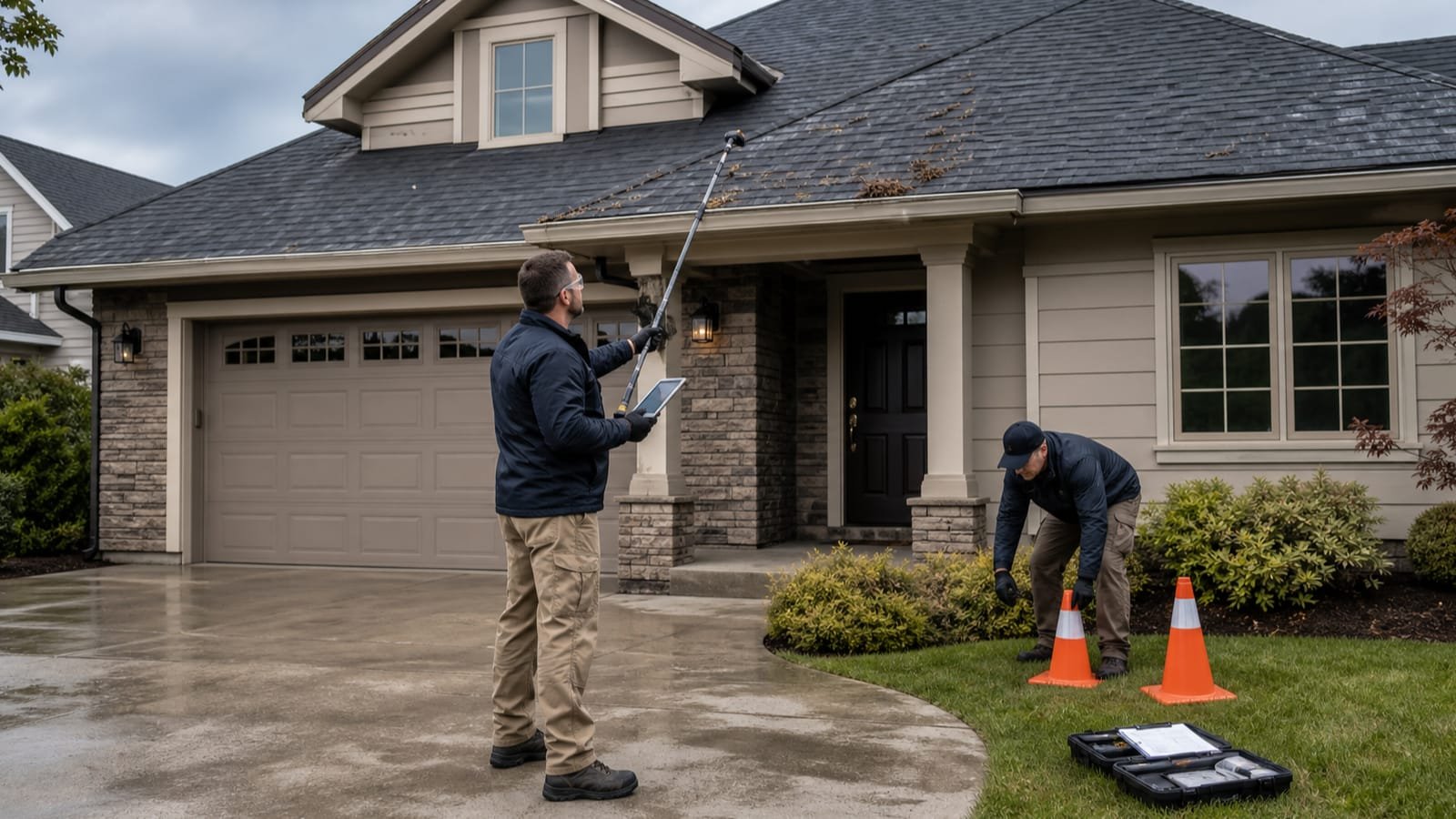
The inspector assesses shingles, flashing, valleys, vents, gutters, and the roofline for damage and wear.
The attic is examined for moisture, daylight, staining, and ventilation problems that signal roof issues.
You receive a clear, prioritized read on the roof's condition and estimated remaining service life.
Findings are recorded with photos and notes — useful for planning, budgeting, or an insurance claim.
You get objective guidance on whether to repair, replace, or monitor, with no pressure to over-spend.
Important points to keep in mind as you explore this offer.
Schedule an inspection about once a year and always after a major storm.
A dedicated roof inspection tells you more than the brief roof note in a general home inspection.
Post-storm inspections matter even when no leak is visible — damage is often hidden.
Keep the written report and photos; they support insurance claims and future planning.
Use the findings to decide objectively between repair, replacement, and monitoring.
Never inspect the roof surface yourself — leave height work to insured professionals.
A good inspection should be thorough and clearly documented. These questions help you evaluate an inspector before booking.
This tool is meant to help you organize your own thinking and the questions you ask a contractor. Every roofing project is priced individually by the contractor — nothing here implies free work, a trial, a government program, or a grant.
These three roofing services solve different problems. Use this to confirm you're looking at the right one.
Best for: Confirming your roof's condition — after a storm, before a sale, or as routine due diligence — before committing to any work.
Best for: Once an inspection (or an obvious problem) points to a specific, localized issue.
Best for: When an inspection finds damage or age that's beyond what repair can reasonably address.
This comparison describes general, commonly available options — not every provider offers every option, and actual terms, pricing, and availability depend on the specific provider and your circumstances.
The right next step after a roof inspection often depends on why you're getting one in the first place.
Post-storm inspections document damage for a potential insurance claim. Most insurers want this done promptly, and photos and documentation from the inspection are typically part of what you'd submit.
A pre-listing inspection can surface issues before a buyer's inspector finds them, giving you the option to repair, disclose, or price accordingly.
Without a specific trigger, this is about getting ahead of problems — an inspection can estimate remaining roof life and flag developing issues before they become leaks.
Some insurers and lenders require periodic roof inspections, particularly for older roofs. Ask what documentation format they require so the inspection meets their specific requirement.
These are general categories to help you find relevant information faster — they aren't a legal or eligibility determination. Your exact requirement is set by a court or your state's motor vehicle agency.
Of all the systems in your home, the roof is the one you can see the least and depend on the most. It sits overhead, out of sight, quietly doing its job — until a stain appears on the ceiling or a storm tears something loose. By then, the problem has usually been developing for a while. A professional roof inspection cuts through that blind spot. It tells you, objectively and specifically, what condition your roof is in, how much life it has left, and what (if anything) needs attention now. It's one of the least expensive and most genuinely useful things you can do to protect your home.
The core value of a roof inspection is information. Most roofing problems are far cheaper to fix when they're caught early — a lifted flashing joint resealed today versus water-damaged decking and insulation next year. An inspection surfaces those small issues before they become interior damage. It also gives you something a homeowner can rarely judge from the ground: an honest estimate of remaining lifespan, so you can plan and budget for an eventual replacement on your timeline instead of scrambling after a failure. And when you're weighing whether to repair or replace, the inspection provides the objective basis for that decision, so you neither pour money into patching a roof that's finished nor replace one that has good years left.
There are a few moments when an inspection is especially valuable.
A professional inspection roughly once a year is a sound habit. It catches worn shingles, deteriorating flashing, blocked drainage, and early damage while they're still minor, helping your roof reach its full lifespan at the lowest possible cost. Older roofs and homes in harsh climates justify more frequent checks.
This is the one many homeowners miss. Wind and hail can compromise a roof without leaving damage that's visible from the yard, and that hidden damage can lead to leaks weeks or months later. A prompt post-storm inspection catches it early and, importantly, documents it while an insurance claim is still timely. If your area has been through a significant storm, an inspection is worthwhile even if everything looks fine from below.
The roof is one of the most consequential parts of a home purchase, and a general home inspection often gives it only a passing glance. A dedicated roof inspection gives buyers a clear picture of condition, remaining lifespan, and any looming costs — powerful information for negotiation — and gives sellers a way to address concerns proactively. For a purchase this large, knowing the real state of the roof is well worth it.
A thorough roof inspection goes well beyond a glance at the shingles. Inspectors evaluate the full system from the outside — shingles or panels, flashing at chimneys, skylights, valleys and vents, the condition of gutters and drainage, and the roofline for any sagging. Critically, a good inspection also looks inside, examining the attic for daylight coming through, moisture, water staining, and ventilation problems, since many roof issues reveal themselves there first. You should come away with a clear, written report of the findings, usually accompanied by photos, and an honest read on what needs attention and when.
Inspection pricing varies by contractor, region, and scope, and is typically modest relative to the cost of the repairs it can help you avoid. Some contractors fold a basic inspection into the process of preparing a repair or replacement estimate, while a standalone or more detailed inspection — for a home sale, for example — is usually billed separately because of the added documentation involved. Whatever the scope, ask what's included and confirm the price before the inspection begins. Viewed against the price of undetected water damage or a prematurely failed roof, an inspection is one of the highest-return small investments in home maintenance.
If your inspection is prompted by a storm, its documentation can be genuinely important. A professional inspector identifies the type and extent of wind or hail damage and records it with photos and a written report — exactly the kind of evidence that supports a homeowners insurance claim. Because coverage terms and filing deadlines vary, it pays to schedule the inspection promptly after the weather event and to confirm your insurer's specific requirements. Many roofing professionals are experienced with the claims process and can help you navigate it.
It bears repeating: don't climb up to inspect the roof yourself. Roof falls cause serious injuries every year, and safely assessing a roof takes both experience and proper equipment. You can watch for warning signs from the ground and check your attic for stains, dampness, or daylight, but the roof surface itself should be left to insured professionals.
A professional inspection isn't replaced by homeowner vigilance, but the two work well together. From the ground with binoculars: look for shingles that are lifted, cracked, curled, or simply missing, dark streaks or patchy granule loss, sagging along the ridge line, and debris accumulating in valleys. From inside the attic on a bright day: light showing through the deck, water staining on rafters, damp or compressed insulation, and any musty smell after rain. Check ceilings below the roof after major storms. What you're building is a baseline — knowing what your roof normally looks like is what makes a change noticeable. Leave anything requiring a ladder to professionals; the emergency room is more expensive than the inspection.
Prefer inspectors who document with photographs and deliver a written report over those who offer a verbal thumbs-up — the photo record is what makes the report useful for insurance claims, home sales, and comparing bids. Ask whether the inspection includes the attic side, flashing details, and penetrations, not just the field of shingles. Be alert to the built-in conflict when an inspection is performed by the same company hoping to sell you a new roof or repair — it's a normal industry practice, but it's fair to get a second, independent opinion before authorizing major work. A good report separates findings into urgent repairs, near-term maintenance, and watch items — which maps neatly onto next steps: targeted roof repair for the urgent list, and honest budgeting conversations about roof replacement when the report shows a roof entering its final years.
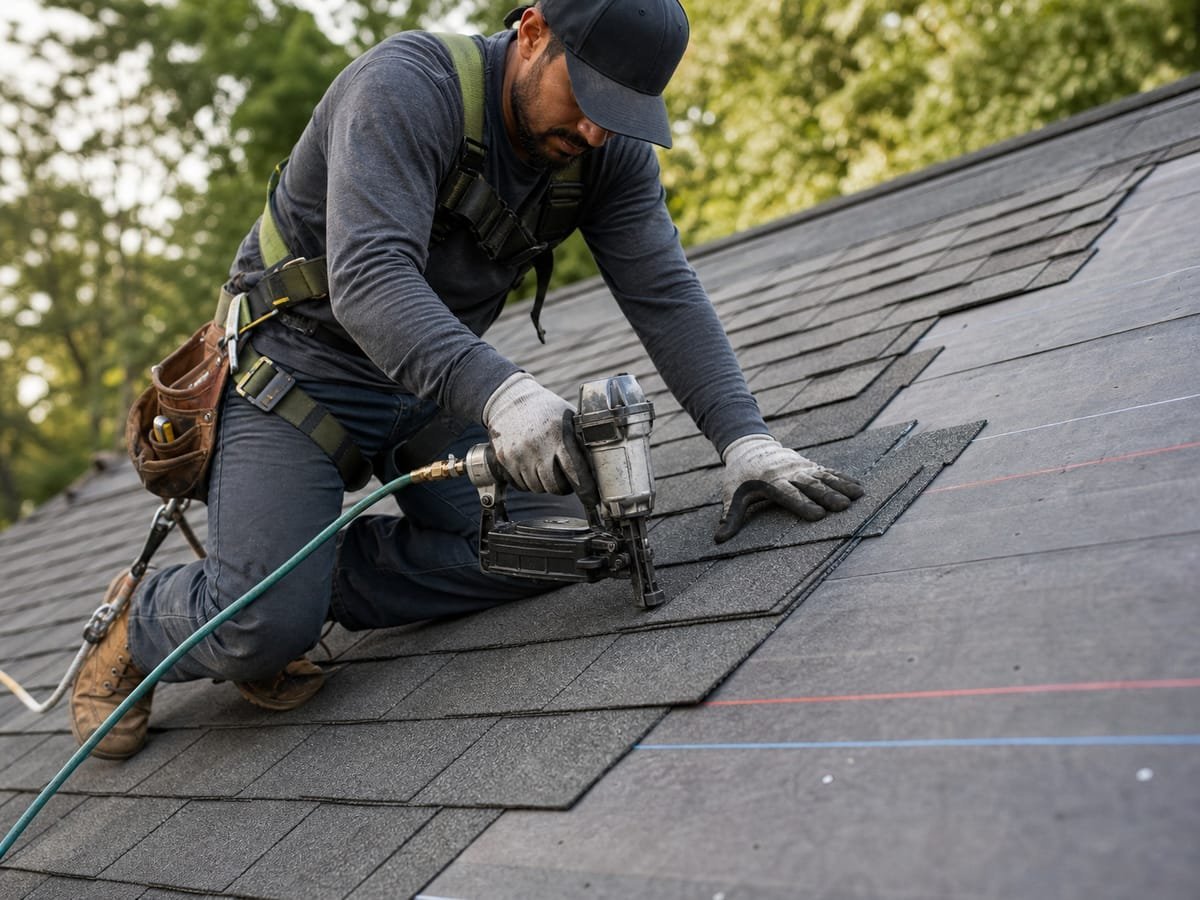
An inspection is only as useful as what you do with it. Its findings feed directly into your next step: a small, timely roof repair for isolated issues, a planned roof replacement when the roof has reached the end of its life, or simply continued monitoring when the roof is sound. That's the real purpose of a roof inspection — to replace guesswork with facts, so every dollar you spend on your roof is spent where it actually matters. If it's been a while since your roof was professionally evaluated, or a storm has recently passed through, scheduling an inspection is the confident first move.
Facts and figures in this guide that come from an outside authority are backed by the sources below. Pricing, program rules, and eligibility details change — always confirm current specifics with the source directly or a licensed professional before acting.
Still have questions? The FAQ below covers the most common ones. Or use the button to check availability — there's no cost and no obligation.
A professional inspection gives you the facts about your roof's condition so you can make an informed decision.
Pick inspectors with the training and insurance to evaluate a roof safely — and get the findings in writing with photos.
Quality inspections come with a written report and photos you can use for planning or a claim.
A common guideline is to have a professional inspection roughly once a year, and always after a major storm. Older roofs and homes in harsh climates benefit from more frequent checks. Regular inspection is one of the most cost-effective ways to extend a roof's life.
Pricing varies by contractor, region, and scope, but is typically modest compared with the repairs an inspection can help you avoid. Some contractors include a basic inspection when they're preparing a repair or replacement estimate, while a standalone or more detailed inspection — for a home sale, for example — is usually billed separately. Ask what's included and confirm the price before scheduling.
A thorough inspection evaluates shingles, flashing, valleys, vents, gutters, and the roofline, and typically includes an attic check for moisture, daylight, staining, and ventilation. You should receive a written report of findings, usually with photos.
It's highly advisable. A general home inspection may note the roof only briefly, so a dedicated roof inspection gives buyers a clear picture of condition, remaining lifespan, and any looming costs — valuable information for negotiation and planning.
Yes. Wind and hail damage is often invisible from the ground and can compromise a roof before any leak appears. A prompt post-storm inspection documents damage for insurance and lets you address problems early, while a claim is still timely.
It can. A professional inspection documents the type and extent of damage with photos and a written report, which supports a storm-damage claim. Coverage and timelines vary, so file promptly and confirm requirements with your insurer.
That's one of its main purposes. By assessing the extent of damage and the roof's remaining lifespan, an inspection gives you the objective basis to choose between a targeted repair, a full replacement, or continued monitoring.
No sign-up needed. No calls until you decide. Check availability, compare options, and proceed only when you're ready.