Health priority
Home Services

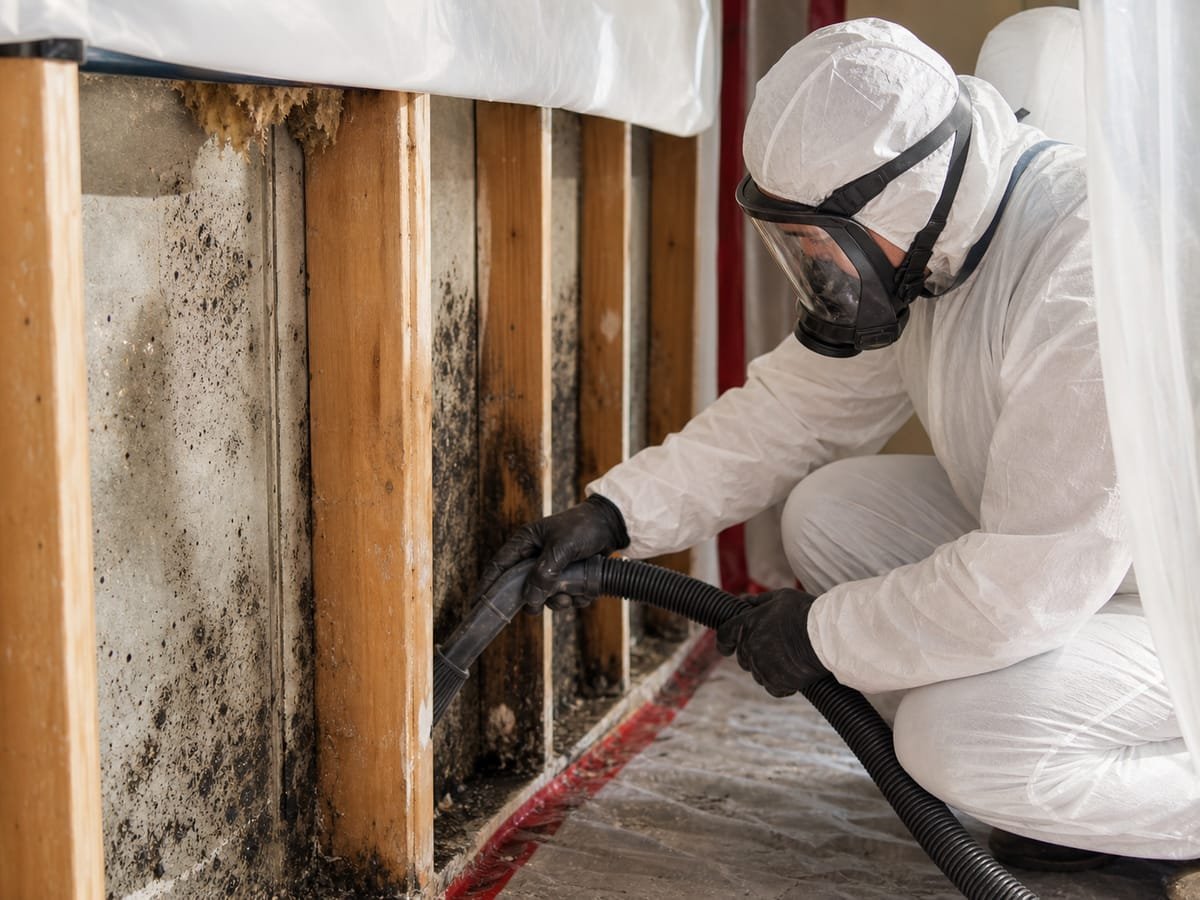
Mold Remediation
Safely contain, remove, and prevent mold — and correct the moisture source so it doesn't return.
Remove mold safely and stop it coming back.
Find Mold Remediation Pros

Sewage backups are Category 3 contamination — safe removal, decontamination, and restoration protect your family's health, not just your floors.
A sewage backup carries bacteria and pathogens that make it a health hazard, not just a cleanup job, which is why it calls for trained professionals rather than a DIY response. This guide explains what proper cleanup involves.
A sewage backup is not an ordinary mess — it's a biohazard. The water and waste involved carry bacteria, viruses, and pathogens that pose real health risks, which is why sewage cleanup is a job for trained professionals with proper protective equipment, not a bucket and a mop. Fast, thorough cleanup safely removes the contamination, decontaminates every affected surface, and restores your home, protecting your family's health along with your property. Acting quickly matters more here than with most home repairs, since contamination spreads and the health risks compound the longer cleanup is delayed.
These overlap because water, mold, and contamination often show up together — but each has a different cause and cleanup protocol.
The source is a burst pipe, appliance failure, or other clean-water leak inside the home.
The water came from outside — storm surge, rising groundwater, or a natural flood event — which usually has different insurance implications (flood insurance vs. standard homeowners).
The problem is visible or suspected mold growth, whether or not you know the original water source.
The water is contaminated — sewage backup or Category 3 water — which requires different safety protocols than a clean-water leak.
You are trying to prevent water intrusion before it happens, not clean up after an event.
You are sealing and conditioning the crawl space itself, usually to control moisture and air quality, rather than responding to a specific leak or flood.
The real-world benefits of moving forward.
A backed-up main or drain line pushing sewage into the home requires immediate professional cleanup.
Heavy rain can overwhelm sewer systems and force contaminated water into basements and lower levels.
Septic backups bring the same biohazard risks and need the same careful handling.
Prompt, professional biohazard cleanup protects tenants and limits property liability.
Proper decontamination addresses the odor at its source rather than masking it temporarily.
Documented, professional cleanup supports claims tied to covered sewer backup events.
Technicians use protective equipment and protocols suited to Category 3, highly contaminated water.
Sewage, water, and contaminated debris are extracted and disposed of according to safe-handling standards.
Porous materials contacted by sewage are removed rather than cleaned, since contamination penetrates them.
Surfaces are cleaned, sanitized with antimicrobial treatment, and deodorized to eliminate pathogens and smell.
A clear look at the typical steps involved, from start to finish.
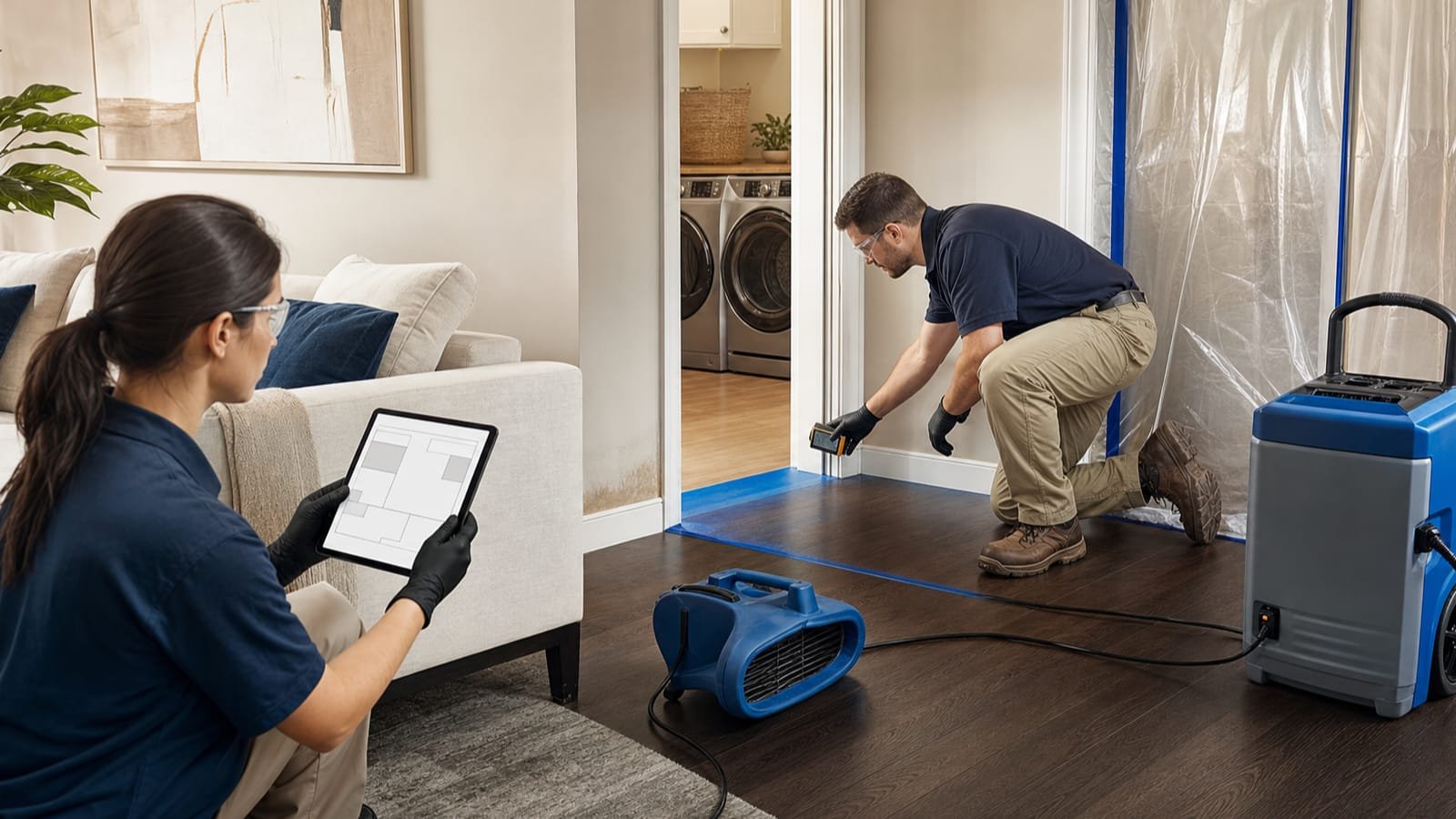
The affected area is assessed and contained to keep contamination from spreading and to keep occupants safe.
Sewage, water, and contaminated debris are extracted and disposed of under safe-handling standards.
Porous materials contacted by sewage are removed, since they can't be reliably decontaminated.
Surfaces are cleaned, sanitized with antimicrobial treatment, and deodorized to eliminate pathogens and odor.
The area is dried and restored to a safe, usable condition.
Important points to keep in mind as you explore this offer.
Sewage is a serious biohazard — keep people and pets away until it's decontaminated.
Don't attempt DIY cleanup; it requires protective equipment and proper disposal.
Porous materials that contact sewage usually must be discarded.
Sewer-backup coverage is often an insurance add-on, not standard — check your policy.
Identify the cause to help prevent a recurrence.
A backwater valve can help in areas prone to municipal sewer backups.
The IICRC S500 standard classifies sewage as the highest-contamination water category. This checklist explains why DIY cleanup carries real risk.
This is general information to help you prepare for a conversation with a licensed clinician — it isn't a diagnosis, treatment plan, or personalized medical advice, and it doesn't collect or store anything you enter.
The scope of a sewage cleanup — and how long it takes — usually depends on how contained or widespread the backup is.
Best for: A single fixture backup (e.g., one toilet or drain) caught quickly, with limited spread.
Best for: Sewage affecting multiple rooms or a large area, often from a main line backup or flooding.
Best for: A property with repeated sewage backups, which often points to an underlying plumbing or municipal line issue.
This comparison describes general, commonly available options — not every provider offers every option, and actual terms, pricing, and availability depend on the specific provider and your circumstances.
Of all the water-related emergencies a home can face, a sewage backup is the one that most demands professional handling — and the one homeowners are most tempted to underestimate. It looks, at first, like a particularly unpleasant flooding problem. It is actually a biohazard. The water and waste from a sewage backup fall into the most contaminated category, carrying bacteria, viruses, and other pathogens capable of causing real illness. That reality changes everything about how it must be addressed. Sewage cleanup isn't a job for a mop and determination; it's a job for trained professionals with protective equipment, proper decontamination methods, and safe disposal practices, because the goal isn't just clean floors — it's protecting your family's health.
Water damage professionals classify water by contamination level, and sewage sits firmly in Category 3 — the most hazardous class, sometimes called "black water." Contact with it, or even with surfaces and materials it has touched, can expose people to harmful pathogens. This is why the first rule of a sewage backup is to keep people and pets away from the affected area entirely until it's been professionally decontaminated. Well-meaning DIY cleanup can spread contamination, expose you to pathogens, and leave hazards behind in materials that look clean but aren't. The health stakes are the whole reason sewage cleanup is treated as its own specialized service rather than ordinary water extraction.
Backups happen for several reasons, and knowing them helps with both response and prevention. A clog or blockage in the main sewer line can force waste back into the house through the lowest drains. Tree roots infiltrating and obstructing sewer pipes are a frequent culprit, especially in older neighborhoods. Aging, cracked, or collapsed sewer lines fail over time. And municipal sewer systems overwhelmed by heavy rain can push contaminated water back into homes through the connection. Homes on septic systems can experience similar backups when the system fails. Identifying which cause is behind a backup is part of preventing the next one.
One of the harder truths of sewage cleanup is how much of what it touches cannot be saved. The determining factor is porosity. Non-porous surfaces — sealed floors, metal, glass, solid plastics — can generally be cleaned and thoroughly decontaminated. But porous materials that sewage has soaked into — carpet, padding, drywall, many soft furnishings — typically must be removed and discarded, because the contamination penetrates deep into the material where cleaning can't reliably reach. Discarding these items isn't overcaution; it's what ensures the space is genuinely safe afterward rather than harboring hidden contamination. Professionals make these calls based on what can and can't be brought back to a safe condition.
Professional sewage cleanup follows a careful, health-focused sequence. It begins with assessment and containment — evaluating the affected area and containing it to stop contamination from spreading and keep occupants safe. Next is removal of contaminated water and waste, extracted and disposed of according to safe-handling standards. Then material removal takes out the porous items that can't be decontaminated. Decontamination and deodorizing follow, cleaning and treating surfaces with antimicrobial agents to eliminate pathogens and the persistent odor sewage leaves. Finally, the area is dried and restored to a safe, usable condition. The thoroughness of each step is what separates a genuine biohazard cleanup from a superficial one.
Like any water intrusion, a sewage backup leaves moisture behind — and moisture plus time invites mold. But sewage adds contamination on top of dampness, so incomplete cleanup can leave both a pathogen problem and a mold problem festering out of sight, along with the stubborn odors that signal something wasn't fully addressed. Prompt, thorough professional decontamination and drying is the way to prevent these lingering issues, and in some cases mold remediation is part of a complete recovery. The point is that a sewage backup handled halfway isn't handled at all.
On the insurance side, sewage backups occupy a tricky spot. Many homeowners policies cover sewer backups only if you've specifically added backup coverage, and the details vary by policy and cause. That makes it worth checking your coverage before you ever need it, and documenting the damage carefully if a backup occurs. On prevention, a few habits reduce your risk: avoid flushing or draining things that clog lines, address slow drains before they become blockages, have older sewer lines inspected where tree-root intrusion is a concern, and consider a backwater valve if you live in an area prone to municipal sewer backups during heavy rain. These steps won't eliminate every risk, but they meaningfully lower the odds.
Sewage projects price by contamination scope rather than water volume: a contained bathroom backup differs enormously from a finished basement flooded through a failed main line. Cost drivers include how much porous material must be removed and legally disposed of, whether contamination reached wall cavities and subfloors, drying and disinfection scope, and the rebuild that follows. Timeline runs in the familiar two phases — removal, disinfection, and drying across several days to a week, then reconstruction measured in weeks for larger losses. One practical note that surprises people: contaminated contents and materials are typically bagged and disposed of under different handling than ordinary construction debris, which is part of what you're paying professionals for. Get the mitigation scope documented in writing with photos — it matters for both the insurance claim and the rebuild that follows.
The dangerous ones first: wading into standing sewage without protection, running a household wet-vac (which contaminates the tool and aerosolizes what should stay in the water), letting children or pets anywhere near the affected area, and switching on electricity in a flooded space. The costly ones: delaying professional response while contamination migrates into materials that could have been saved, attempting to disinfect porous materials — carpet, drywall, upholstery — that genuinely need removal, and skipping the drying verification that separates a cleanup from a future mold remediation project. Prevention deserves one honest paragraph of your attention: a backwater valve on the sewer line, sensible habits about what enters drains, and root management on older lines prevent the majority of repeat events — and if your backup arrived with a storm rather than a clog, pair the cleanup conversation with flood damage restoration and ask your insurer specifically about sewer backup coverage, an inexpensive endorsement most homeowners discover they lack exactly once.
A sewage backup is stressful, unpleasant, and genuinely hazardous — which is exactly why it deserves a professional, health-first response rather than a DIY attempt. Trained technicians with the right protective equipment, decontamination methods, and disposal practices can safely remove the contamination, restore the affected area, and give you back a home that's not just clean-looking but actually safe. If you're facing a sewage backup, keeping everyone clear of the area and bringing in qualified biohazard cleanup professionals promptly is the right and protective thing to do.
Facts and figures in this guide that come from an outside authority are backed by the sources below. Pricing, program rules, and eligibility details change — always confirm current specifics with the source directly or a licensed professional before acting.
Still have questions? The FAQ below covers the most common ones. Or use the button to check availability — there's no cost and no obligation.
Category 3 contamination calls for specific safety training and equipment — ask any provider you're considering how they handle it.
Contaminated materials are handled and disposed of according to safe, compliant practices.
Reputable teams prioritize complete decontamination over a fast, superficial cleanup.
Sewage is Category 3, highly contaminated water carrying bacteria, viruses, and other pathogens that pose serious health risks. Safe cleanup requires protective equipment, proper decontamination, and correct disposal of contaminated materials — beyond what household cleaning provides. For your health, sewage cleanup is a job for trained professionals.
Yes, a significant one. Contact with sewage or its residue can expose you to harmful pathogens, and contaminated materials and lingering moisture can cause ongoing problems including mold. Keeping people and pets away from the affected area until professionals decontaminate it is important for safety.
Common causes include clogs or blockages in the main sewer line, tree-root intrusion into pipes, aging or collapsed sewer lines, and municipal sewer systems overwhelmed by heavy rain. Septic system failures cause similar backups. Identifying and addressing the cause helps prevent a recurrence.
Porous materials that contact sewage — such as carpet, padding, drywall, and many soft furnishings — typically must be removed and discarded, because contamination penetrates them and can't be reliably cleaned. Non-porous surfaces can usually be decontaminated. Professionals determine what's salvageable.
It depends on your policy. Some homeowners policies cover sewer backups only if you've added specific backup coverage, and coverage for the cause varies. Document the damage and review your policy or check with your insurer, since sewage-related coverage is often an add-on rather than standard.
It depends on the extent of the backup and contamination. Removal, decontamination, drying, and restoration each take time, and thorough decontamination shouldn't be rushed. A professional can estimate the timeline after assessing the affected area.
Avoid flushing or draining items that clog lines, address slow drains early, and consider a backwater valve if your area is prone to municipal backups. Periodic inspection of older sewer lines, especially where tree roots are a concern, also helps catch problems before they cause a backup.
Continue your research with the most closely related offers, or browse every Home Services offer.
Safely contain, remove, and prevent mold — and correct the moisture source so it doesn't return.
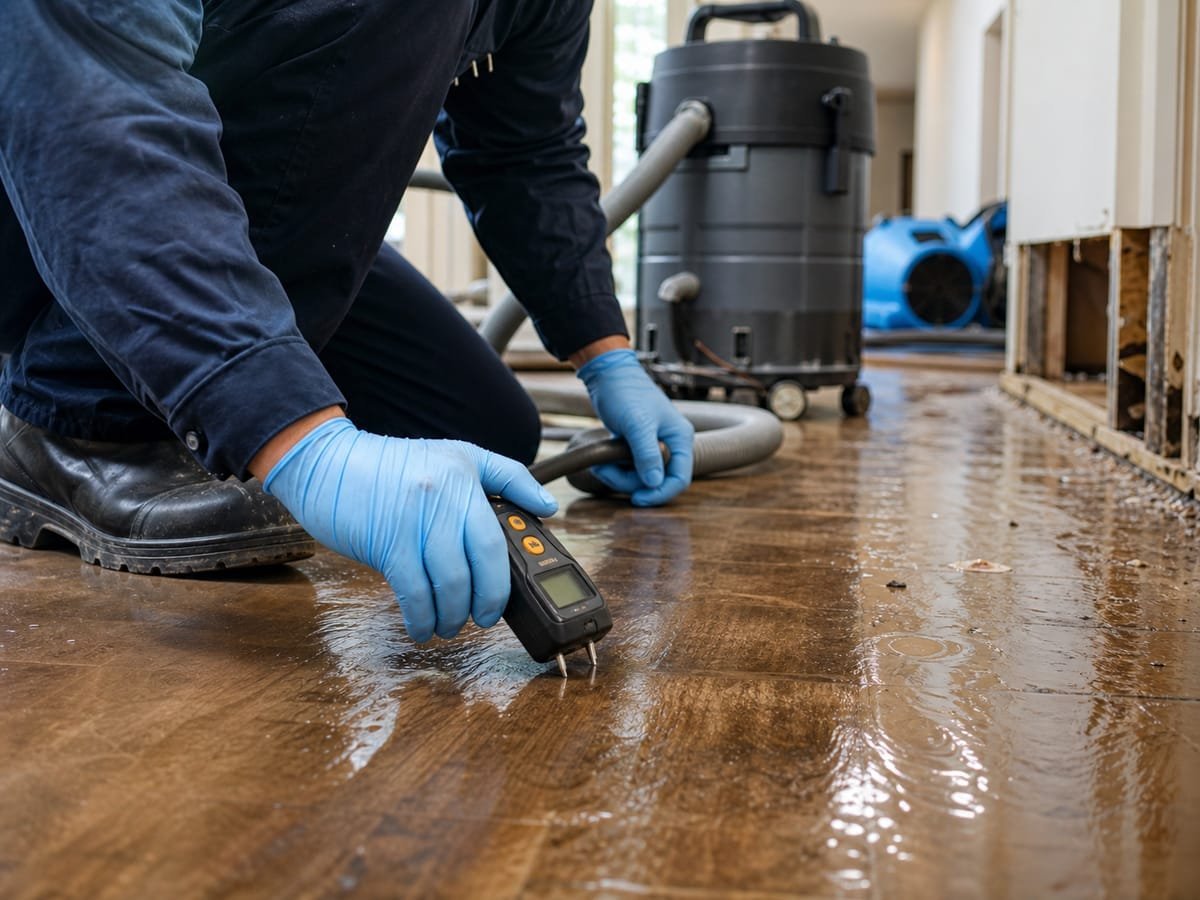
Specialized cleanup, drying, and restoration after external flooding — handling contamination, scale, and the flood insurance realities.
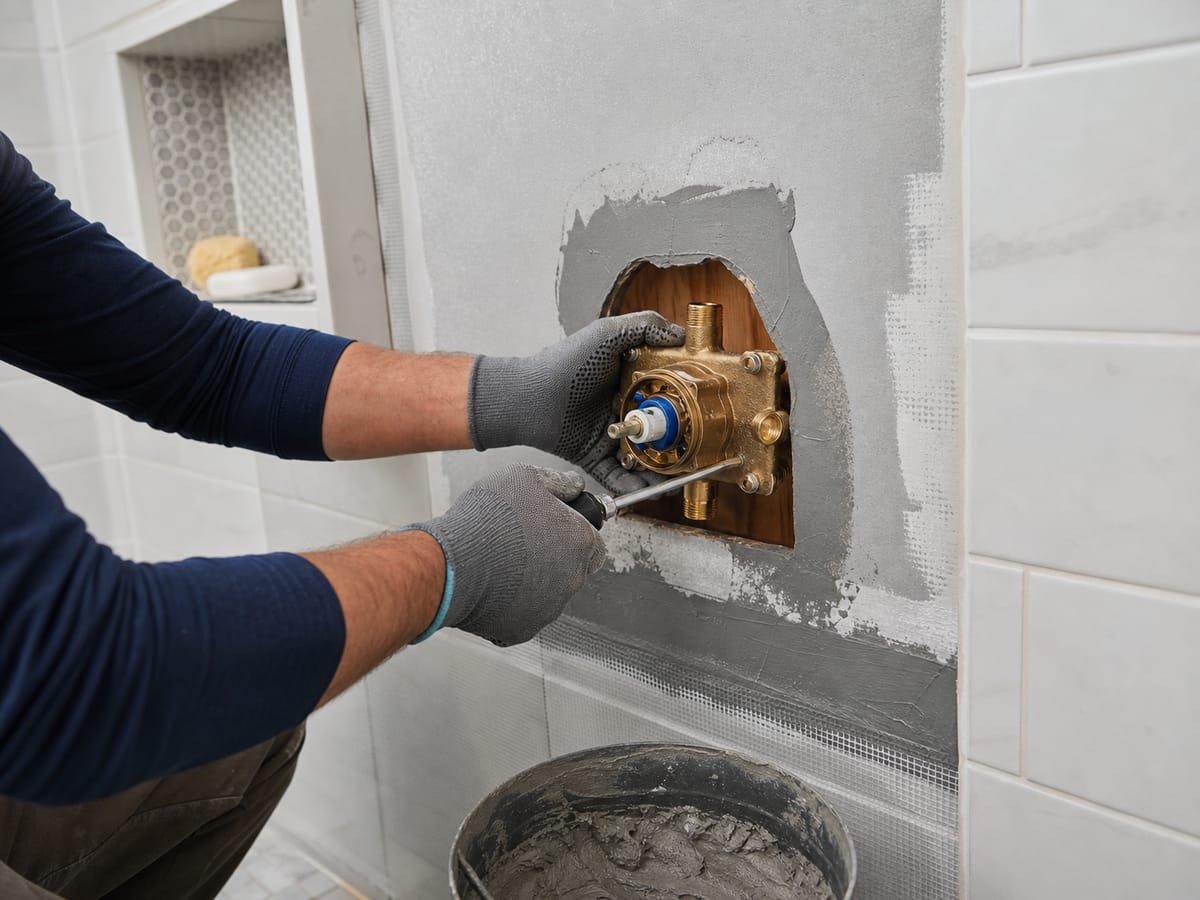
Fix leaks, running toilets, grout failures, and drainage problems fast — with pros who solve the root cause.
Independent reading on questions this offer doesn't answer on its own.
No sign-up needed. No calls until you decide. Check availability, compare options, and proceed only when you're ready.