
Why Auto Insurance Rates Keep Rising, Even With a Clean Driving Record
Your own driving is only one input in a much bigger pricing formula.
Key takeaways
- Auto insurance rates are driven by industry-wide cost trends — parts and repair costs, vehicle theft, litigation, and weather losses — not just your own driving history.
- Replacement parts costs have risen roughly 45% over four years, well above general inflation, and that cost flows directly into collision and comprehensive premiums.
- Nationally, rates were projected to rise only modestly in 2026, but the increase varies enormously by state — some states are seeing double-digit hikes while others are flat.
- The factors you can actually influence — coverage level, deductible, usage-based programs, bundling, and shopping around — matter more when the underlying cost trend is already pushing rates up.
It's one of the most common complaints in insurance: a driver with no tickets, no accidents, and years of clean claims history still opens their renewal notice to a higher bill. The reason isn't usually anything the driver did — it's a set of industry-wide cost pressures that show up in every policyholder's premium, clean record or not.
The cost forces behind rising premiums

Auto insurers price policies based on how much they expect to pay out in claims across their entire book of business, not just your individual risk. When the average cost of a claim rises industry-wide, premiums rise to match — even for drivers who never file one. Five forces have been doing most of that work heading into 2026.
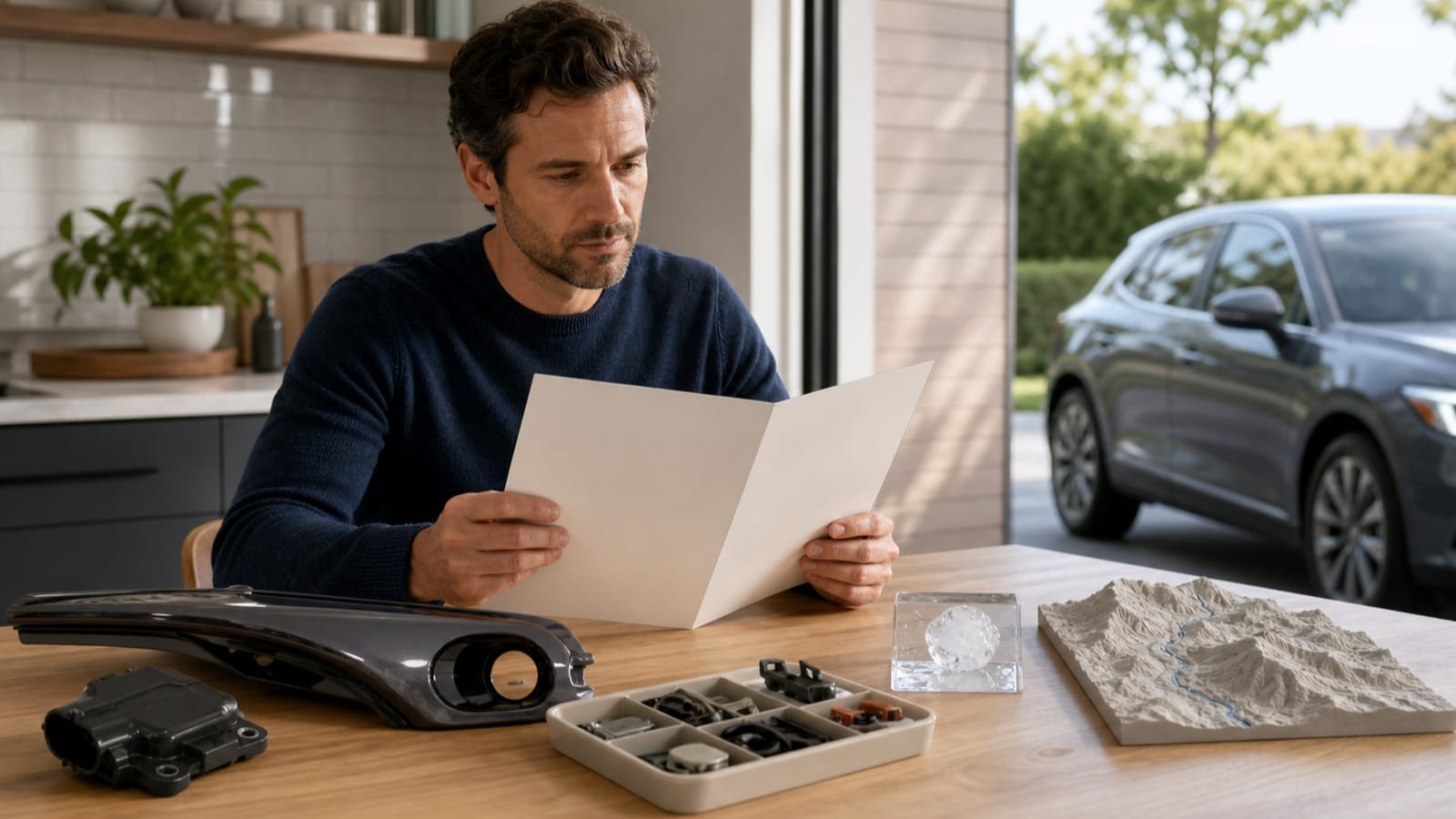
- Replacement parts and repair costs have risen roughly 45% over four years — more than triple the pace of general inflation — driven by more expensive vehicle technology, sensors, and cameras built into modern bumpers and windshields.
- Vehicle theft has surged in many metro areas, pushing up comprehensive coverage costs even for owners who park in a garage every night.
- Litigation and bodily-injury claim costs have grown 5–10% annually in many states, a trend insurers describe as "social inflation" — larger jury awards and settlement demands independent of medical cost inflation.
- Catastrophic weather losses — hail, hurricanes, flooding, and wildfire smoke damage — topped $100 billion industry-wide in recent years, and auto comprehensive coverage absorbs a real share of that.
- Reinsurance costs (what insurers themselves pay to insure their own risk) rose 20–30% in some lines, and insurers pass a portion of that cost through to policyholders.
How much rates are actually moving in 2026
The national picture for 2026 is more moderate than the previous few years — industry projections point to only a modest single-digit increase in the national average full-coverage premium. But that average hides enormous state-by-state variation: a number of states are projected to see increases in the 10–20% range, driven by local litigation environments, weather exposure, and repair-cost differences, while other states are essentially flat or declining. Your own state's regulatory and claims environment matters as much as any nationwide trend.
What's actually driving 2026 auto insurance pricing
| Factor | Rising cost pressure | What it means for your premium |
|---|---|---|
| Repair costs | Parts and labor up ~45% over 4 years | Higher collision and comprehensive premiums, even with no claims |
| Vehicle theft | Surged in many metro areas since 2023 | Higher comprehensive premiums, especially in affected ZIP codes |
| Litigation / bodily injury | Claim costs up 5–10% annually in many states | Higher liability premiums, varies significantly by state |
| Weather catastrophes | $100B+ in industry-wide losses | Higher comprehensive premiums in hail/flood/wildfire-prone areas |
| Reinsurance | Up 20–30% in some lines | Passed through to policyholders as a smaller, broader increase |
What you can and can't control

None of the five cost forces above are things an individual driver can change. But several real levers remain, and using them deliberately matters more precisely because the underlying cost trend is already working against you.
Steps that actually affect your premium
- Compare quotes from at least three insurers at every renewal — pricing for the same risk can vary substantially between carriers because each weighs the cost forces above differently.
- Review your deductible — raising it lowers your premium, but only make that trade if you could comfortably cover the higher out-of-pocket cost after a claim.
- Ask about every discount you may qualify for: bundling home and auto, paying in full, low annual mileage, safety features, and good-student discounts for young drivers.
- Consider whether comprehensive and collision coverage still make sense on an older, lower-value vehicle — the math changes as a car depreciates.
- Look into a usage-based or telematics program if you're a demonstrably safe, low-mileage driver — but understand the trade-offs first (see below).
Should you enroll in a usage-based (telematics) program?
Usage-based insurance programs track driving behavior — hard braking, speed, mileage, time of day — through an app or a plug-in device, and can offer meaningful discounts of roughly 10% to 30% for demonstrably safe driving. Some insurers report average savings in the high teens for enrolled customers. But the data cuts both ways.
Pros
- Can meaningfully lower your premium if your driving is genuinely low-risk (steady speeds, minimal hard braking, lower mileage).
- Gives you direct, data-backed feedback on driving habits, which some people find useful beyond the discount itself.
- Often comes with an initial "safe driver" discount just for enrolling, before any data is even collected.
Considerations
- Results are mixed industrywide — recent data shows under a third of enrolled drivers actually saw their premium go down, while roughly a quarter saw it go up.
- Raises real data-privacy questions: consumer advocates have flagged that granular driving data can be used in ways beyond the original discount program.
- If your driving pattern doesn't fit the program's model — night-shift work, longer commutes, unavoidable hard braking in city traffic — it can work against you instead of for you.
A rate increase notice is not the same as a rate you're stuck with. Non-renewal or cancellation for reasons unrelated to your own claims history is a signal to shop your policy, not to assume every insurer will price it the same way.
Frequently asked questions
Will my rate go back down if the cost pressures ease?
It can, but insurance pricing tends to lag the underlying cost trend in both directions — rates were slow to rise when costs first increased, and they tend to be similarly slow to fall once costs stabilize. Don't expect an automatic decrease; keep shopping annually regardless.
Does one small claim really raise my rate that much?
It depends on the claim type, your insurer's specific surcharge schedule, and your state's rules — some states limit how much a single not-at-fault claim can affect pricing. A not-at-fault claim generally has less impact than an at-fault one, but insurers vary widely here.
Is it worth switching insurers every year to chase the lowest price?
Not necessarily — switching too frequently can mean losing loyalty discounts and continuous-coverage credits that build over time. A better approach is comparing quotes at each renewal and switching only when the savings clearly outweigh what you'd give up.
Do rate increases apply the same way to every driver in my state?
No. Even within the same state, insurers price by ZIP code, vehicle type, coverage level, and individual risk factors, so two neighbors with similar driving records can see very different increases depending on their specific policy details and insurer.
Related offers


Sources
Facts and figures in this guide that come from an outside authority are backed by the sources below. Pricing, program rules, and eligibility details change — always confirm current specifics with the source directly or a licensed professional before acting.
- Auto Insurance Pricing Trends: What Drivers Should Know Going Into 2026autoinsurance.com · Updated 2026 · Accessed 2026-07-20
- After Falling 6% in 2025, Average Auto Insurance Cost Will Stabilize in 2026Insurance Journal · Updated 2026-02 · Accessed 2026-07-20
- Auto insurance basics — understanding your coverageInsurance Information Institute (III) · Updated 2025 · Accessed 2026-07-20
- Usage-Based Car Insurance Can Save You Money, but It Puts Your Data Privacy at RiskConsumer Reports · Updated 2026 · Accessed 2026-07-20
- Insurance Companies Claim Telematics Will Save You Money on Auto Insurance. The Truth Is More ComplicatedConsumer Federation of America · Updated 2026 · Accessed 2026-07-20
Editorial information
- We prioritize primary, authoritative sources over provider marketing.
- Commercial relationships never influence what we publish or how it's written.
- Pages are dated and updated only when they've genuinely been reviewed or changed.
Related guides
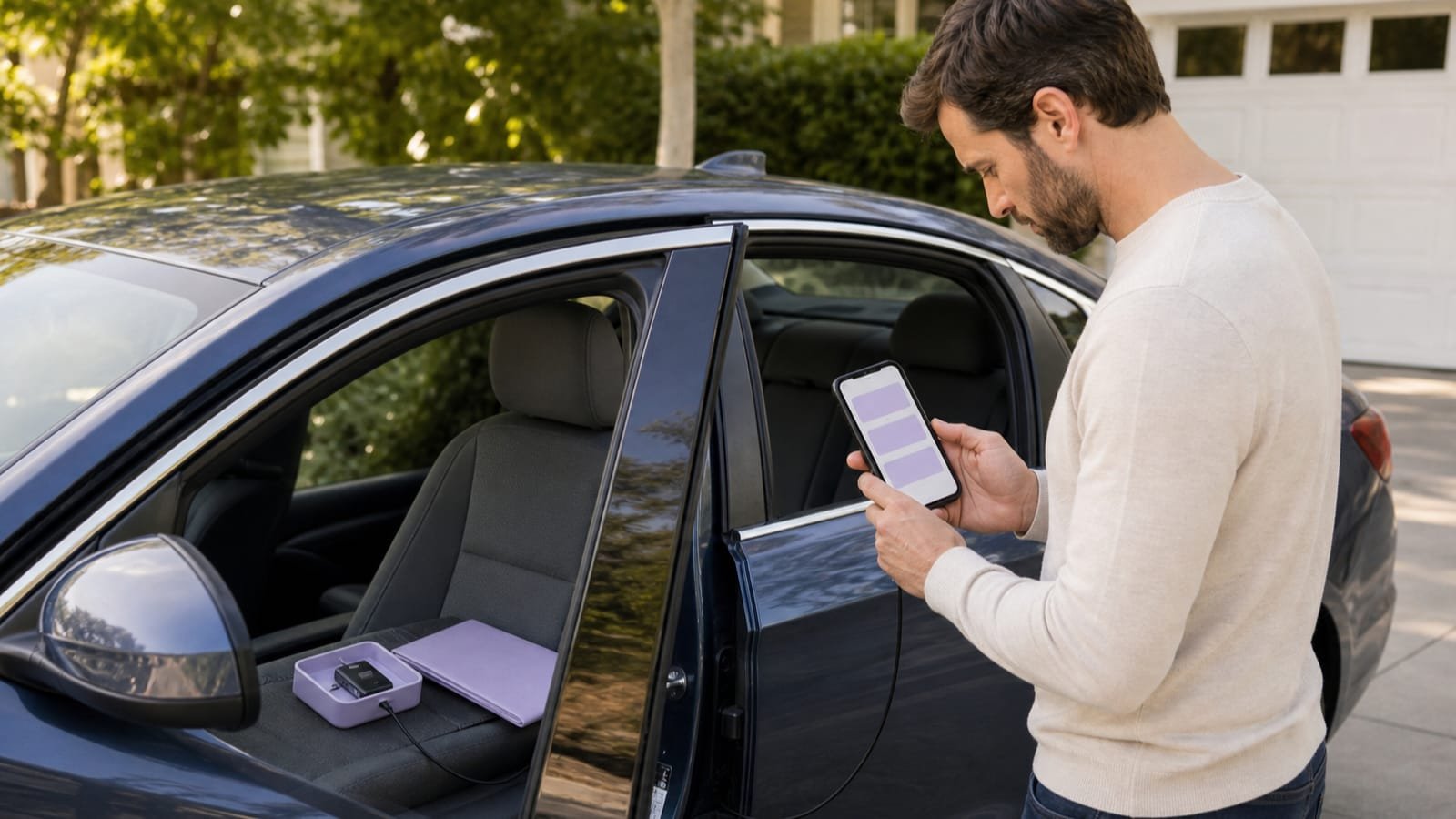
How Usage-Based and Telematics Car Insurance Actually Works
Plug-in devices and driving apps can lower your car insurance premium — or raise it. Here's exactly what's measured, how the discount is calculated, and the privacy trade-offs to weigh first.

Why Home Insurers Are Non-Renewing Policies, and What to Do If Yours Isn't Renewed
Non-renewal notices are rising as insurers reassess climate and catastrophe risk. Here's why it happens, what rights you actually have, and the concrete steps to take before coverage lapses.

Flood Insurance vs. Homeowners Insurance: Why Most Homes Aren't Covered for Water Damage
A standard homeowners policy excludes flood damage almost entirely. Here's the exact line between covered water damage and an excluded flood claim, and what NFIP's 2026 reauthorization status means for coverage.
Ready to explore Auto Insurance?
Continue your research or check availability — there's no cost and no obligation.