
How Usage-Based and Telematics Car Insurance Actually Works
The discount is real for some drivers. So is the risk of a rate increase for others.
Key takeaways
- Telematics programs track specific driving behaviors — hard braking, rapid acceleration, speed, time of day, and mileage — through a smartphone app or plug-in device.
- Discounts of 10% to 30% are possible for genuinely low-risk driving, and some insurers offer an upfront enrollment discount before any data is collected.
- Industry data shows results are mixed: recent figures show fewer than a third of enrolled drivers saw their premium actually decrease.
- Consumer and privacy advocates have raised real concerns about how granular driving data is used, stored, and shared beyond the original discount program.
"Save up to 30% for safe driving" is a common pitch from auto insurers offering a usage-based or telematics program. The pitch is accurate for some drivers — but the fine print matters more than the headline number, and understanding exactly what's tracked and how it's scored is the difference between a genuine discount and an unpleasant surprise at renewal.
What telematics programs actually measure
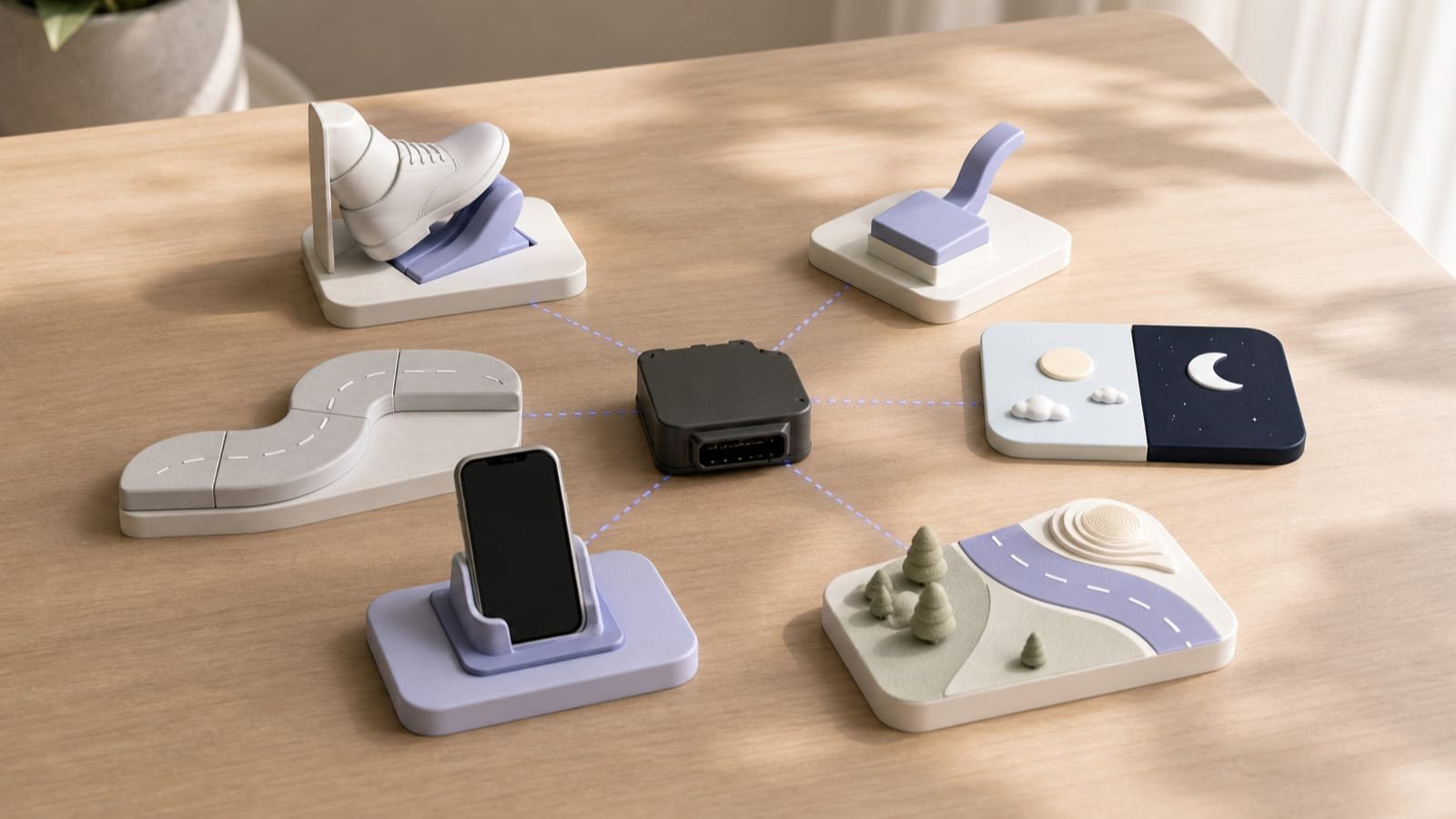
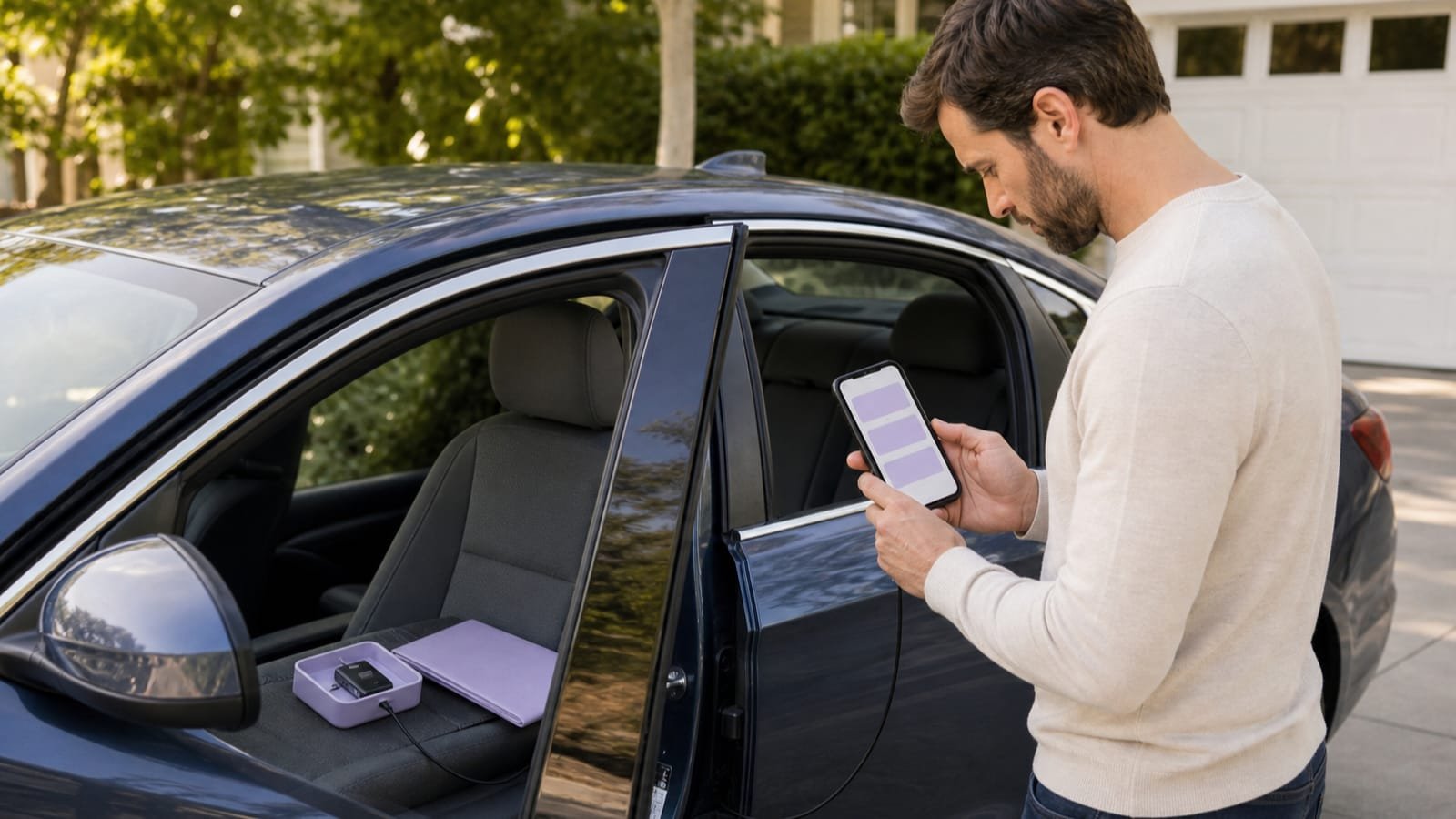
Most programs use either a smartphone app (which uses your phone's sensors and GPS) or a small plug-in device connected to your car's diagnostic port. Both approaches generally track a similar core set of behaviors.
- Hard braking and rapid acceleration events — sudden changes in speed that suggest aggressive or reactive driving.
- Speed relative to posted limits, sometimes cross-referenced against road type.
- Time of day driven — late-night driving is statistically associated with higher accident risk and can be scored less favorably.
- Total mileage — lower annual mileage generally correlates with lower risk exposure.
- Phone handling while driving, on programs that use smartphone sensors to detect distracted driving.
How the discount is actually calculated
Most programs use a two-stage approach: an initial enrollment discount (often 5–10%) applied just for signing up, followed by a data-driven adjustment after a monitoring period — typically 30 to 90 days — that can increase your discount for genuinely safe driving or, on some programs, reduce it if your data suggests higher risk. Some insurers cap the program so it can only help, never hurt, your rate; others do not. Reading the specific program's terms before enrolling — not just the marketing page — is the only way to know which kind you're signing up for.
The trade-offs, honestly
Pros
- Discounts of 10% to 30% are achievable for demonstrably low-risk drivers, with some insurers reporting average savings in the high teens among enrolled customers.
- You typically get an upfront discount just for enrolling, before any driving data is even collected.
- Ongoing feedback on your own driving habits can be genuinely useful, independent of the discount.
Considerations
- Industry data shows mixed real-world results: in a recent year, less than a third of enrolled drivers saw their premium actually go down, about a quarter saw it go up, and the rest saw no change.
- Consumer advocates have raised concerns that telematics scoring models and the underlying driving data can be used in ways that go beyond the original discount program, including potential use in clai
- Driving patterns that aren't inherently risky — night-shift commutes, stop-and-go city traffic, longer highway commutes — can score less favorably even for careful drivers.
- Not every program guarantees your rate can only improve; some can genuinely raise your premium based on the data collected.
Questions to ask before enrolling
Before you enroll in a telematics program
- Does this program have a rate-increase guardrail, or can enrolling actually raise my premium based on the data collected?
- Is the monitoring period fixed (say, 90 days) with a locked-in resulting discount, or is my rate continuously re-scored for the life of the policy?
- What specific data is collected, how long is it retained, and is it shared with any third party?
- Can I opt out and revert to my standard rate if the program isn't working in my favor, and is there any penalty for doing so?
- Does my regular driving pattern — commute time, route type, mileage — fit the kind of driving this program scores favorably?
Ways telematics programs collect driving data
| Program type | How it works | Best fit for |
|---|---|---|
| App-based | Uses your phone's GPS and motion sensors; no device needed | Drivers who want to try it with zero setup and can opt out easily |
| Plug-in device (OBD-II) | Physical device plugs into the car's diagnostic port | Drivers who want more precise vehicle-level data, less reliant on phone behavior |
| Built-in vehicle telematics | Some newer vehicles report data directly through the manufacturer | Owners of newer connected vehicles already generating this data anyway |
If you're a genuinely high-mileage or late-shift driver, or if your commute involves unavoidable stop-and-go traffic, ask your insurer directly how the program weights those factors before enrolling — a program that penalizes normal, unavoidable driving patterns can cost you more than it saves.
Frequently asked questions
Can a telematics program raise my rate above what I'm paying now?
On some programs, yes — it depends on the specific insurer's terms. Ask explicitly whether the program includes a rate-increase guardrail before enrolling, since not all of them do.
How long does the monitoring period usually last?
Most programs monitor for 30 to 90 days before locking in a resulting discount, though some continuously re-score your driving for the life of the policy. Check the specific program's terms.
Can I quit the program if I don't like the results?
Most programs allow you to opt out and revert to your standard, non-telematics rate, but confirm this — and any penalty for doing so — before you enroll, not after.

Sources
Facts and figures in this guide that come from an outside authority are backed by the sources below. Pricing, program rules, and eligibility details change — always confirm current specifics with the source directly or a licensed professional before acting.
- Auto Insurance Pricing Trends: What Drivers Should Know Going Into 2026autoinsurance.com · Updated 2026 · Accessed 2026-07-20
- Car Insurance Rate Increases | 2026 Price ProjectionsThe Zebra · Updated 2026 · Accessed 2026-07-20
- Usage-Based Car Insurance Can Save You Money, but It Puts Your Data Privacy at RiskConsumer Reports · Updated 2026 · Accessed 2026-07-20
- Insurance Companies Claim Telematics Will Save You Money on Auto Insurance. The Truth Is More ComplicatedConsumer Federation of America · Updated 2026 · Accessed 2026-07-20
- Best Car Insurance Telematics Discountsautoinsurance.com · Updated 2026 · Accessed 2026-07-20
Editorial information
- We prioritize primary, authoritative sources over provider marketing.
- Commercial relationships never influence what we publish or how it's written.
- Pages are dated and updated only when they've genuinely been reviewed or changed.
Related guides

Why Auto Insurance Rates Keep Rising, Even With a Clean Driving Record
A clean driving record doesn't stop rate increases driven by repair costs, theft, litigation, and weather. Here's what's actually behind 2026 auto insurance pricing — and what you can and can't control.

Why Home Insurers Are Non-Renewing Policies, and What to Do If Yours Isn't Renewed
Non-renewal notices are rising as insurers reassess climate and catastrophe risk. Here's why it happens, what rights you actually have, and the concrete steps to take before coverage lapses.

Flood Insurance vs. Homeowners Insurance: Why Most Homes Aren't Covered for Water Damage
A standard homeowners policy excludes flood damage almost entirely. Here's the exact line between covered water damage and an excluded flood claim, and what NFIP's 2026 reauthorization status means for coverage.
Ready to explore Auto Insurance?
Continue your research or check availability — there's no cost and no obligation.